A Complete Guide To Live Edge Dining Tables For Rustic Homes
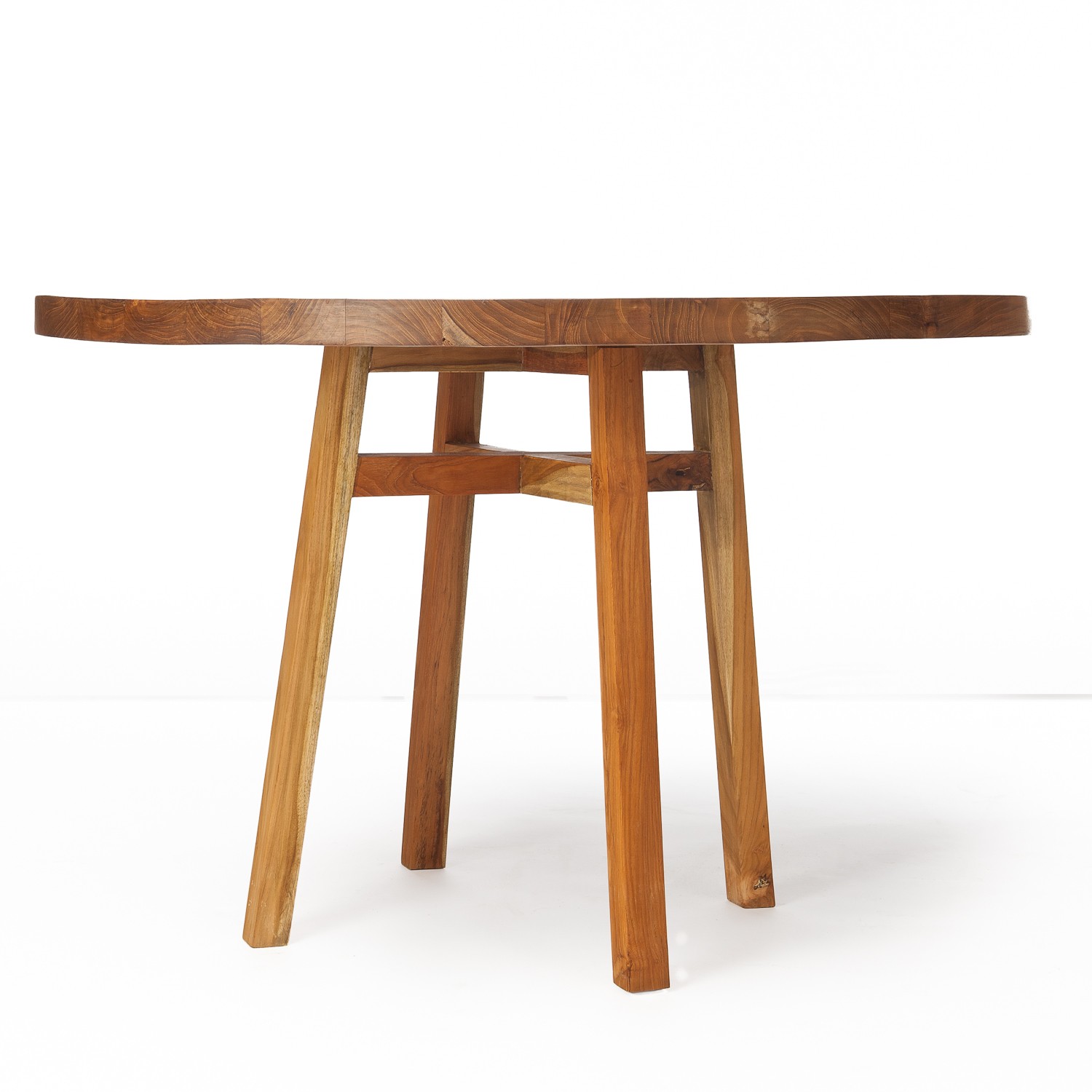
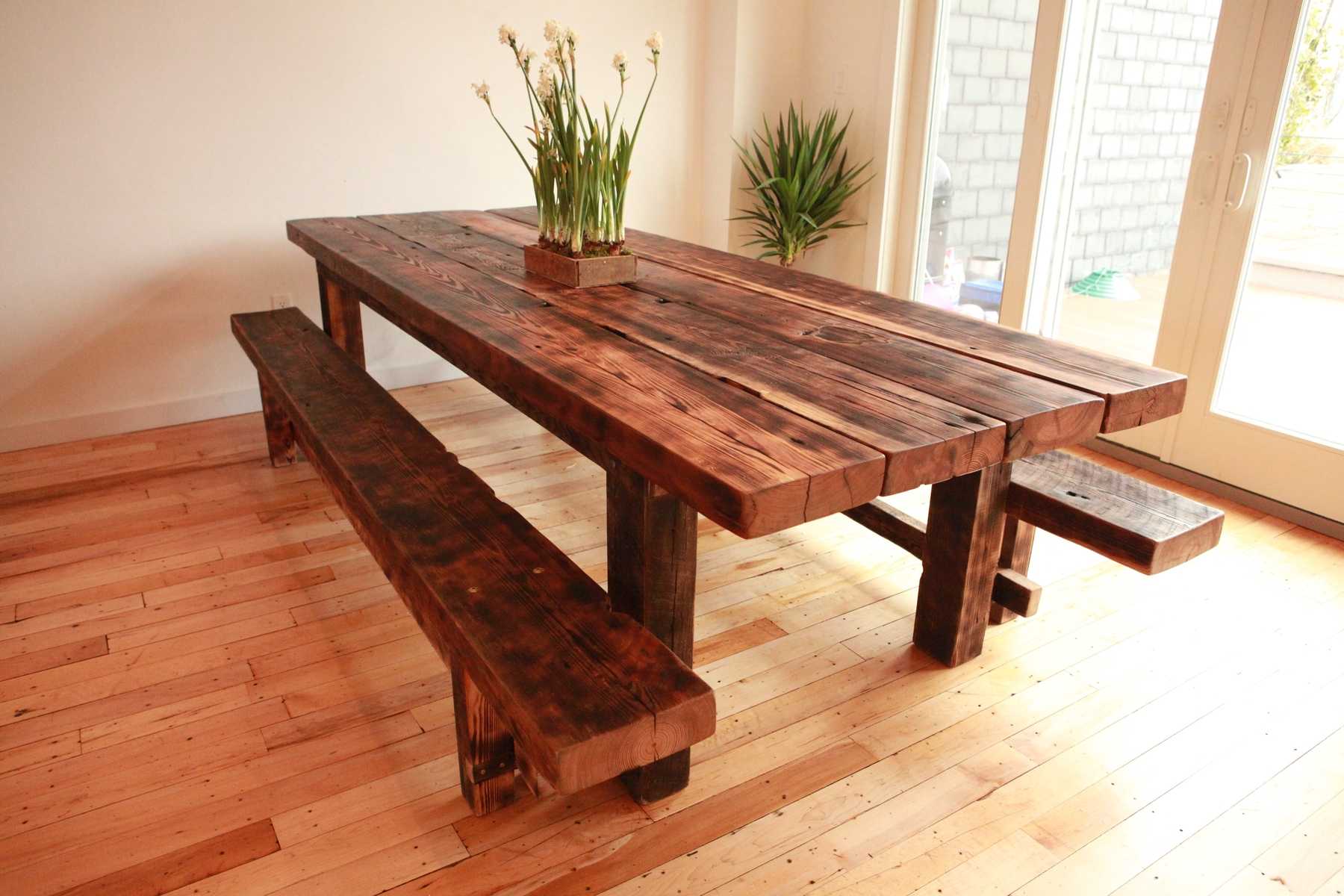
A live edge dining table brings the natural outline of a timber slab into the heart of the home. Instead of cutting every side into a perfect rectangle, the maker preserves the tree’s original contour, including gentle curves, knots and distinctive grain.
For a rustic Australian home, this style suits open-plan living, weatherboard houses and rooms that connect visually with the garden. A substantial timber top can make a dining area feel warm and grounded without looking overly formal.
The right table depends on more than appearance. Timber species, slab movement, leg design, maintenance and the size of the room all affect whether the finished piece will be practical for everyday meals, weekend entertaining and long family gatherings.
Australian conditions also deserve attention. Humidity in Brisbane, dry indoor heating in cooler southern regions, coastal air around Sydney or Perth, and strong summer sunlight can all influence how solid wood behaves over time.
Choosing Timber For A Natural Look
Australian hardwoods such as spotted gum, blackbutt and reclaimed ironbark offer rich colour variation and excellent durability. Spotted gum often has flowing grain and warm brown tones, while blackbutt can create a lighter, more relaxed appearance. Reclaimed timber adds nail marks, old saw cuts and a story that works beautifully in a rustic setting.
Imported species may provide different grain patterns, but local timber can be easier to source and repair. Ask the maker where the slab came from, how it was kiln-dried, and whether the timber is responsibly harvested. A properly seasoned slab is less likely to split or cup after it enters your home.
Matching The Slab To Your Room
Measure the dining zone before falling for a dramatic piece. Allow at least 900 millimetres behind occupied chairs where possible, and remember that a thick live edge can make a table appear larger than its measurements suggest. For a typical six-seat arrangement, a length of around 1800 to 2200 millimetres is often comfortable.
The edge should support the room’s character rather than obstruct it. A lightly undulating profile feels refined, while a heavily irregular edge creates a stronger bush-inspired look. In a compact Melbourne terrace or Sydney apartment, a slimmer slab with rounded corners may be more useful than a wide, rugged top.
Selecting Legs And Useful Features
Steel trestles, hairpin legs and black powder-coated frames give a rustic table a contemporary Australian feel. Chunky timber legs look more traditional and can echo exposed beams or hardwood flooring. Check the leg position carefully, since supports placed too close to the ends may interfere with chairs.
Storage is rarely built into a live edge dining table, so consider the surrounding furniture. A low sideboard can hold serving ware, table linen and children’s art supplies without competing with the timber. For broader furniture inspiration, browse these dining table references when comparing proportions and layouts.
| Feature | Best For | Points To Check |
|---|---|---|
| Reclaimed hardwood | Character-rich rustic rooms | Previous repairs, nails and moisture history |
| New Australian hardwood | Long-term everyday use | Seasoning, finish and responsible sourcing |
| Steel trestle base | Modern farmhouse interiors | Knee clearance and frame stability |
| Solid timber base | Traditional homes | Visual weight and floor protection |
| Epoxy-filled cracks | Statement slabs | UV stability and future repairs |
Managing Seasonal Timber Movement
Solid timber naturally expands and contracts across its width. This is normal, not a sign that the table is defective. Avoid fastening the top so tightly that it cannot move, and use fixing systems designed for solid wood. A skilled maker will allow movement while keeping the slab secure.
Keep the table away from heaters, fireplaces and strong western sun. In dry Adelaide winters or heated Canberra rooms, a stable indoor environment helps reduce stress in the timber. Felt pads, coasters and prompt cleaning also protect the finish from scratches, heat and standing water.
Finishes That Suit Busy Homes
A hardwax oil gives the timber a soft, tactile appearance and makes small marks easier to blend during maintenance. A polyurethane coating provides a tougher barrier for households with young children, although it can look slightly more uniform. Matte finishes generally preserve the understated character of a rustic slab better than high gloss.
Ask for care instructions before purchase, since products vary. Wipe spills with a damp cloth, avoid soaking the surface and never use abrasive sprays unless the maker approves them. If you are also styling a smaller adjoining surface, these coffee table ideas can help coordinate timber tones without making the room feel repetitive.
Buying From Australian Makers
Local furniture studios, independent woodworkers and specialist timber yards often offer more customisation than large retail chains. You may be able to choose the slab orientation, edge treatment, base, dimensions and finish. Showrooms in Brisbane, Melbourne and Sydney frequently display sample sections, while regional makers may sell directly through workshops or online galleries.
Request clear information about delivery access, installation, warranty coverage and whether the table arrives assembled. Check doorways, stairwells and lift dimensions before ordering a heavy slab. It is also sensible to review the seller’s privacy policy when submitting measurements or contact details through an online enquiry form.
A live edge dining table should feel robust enough for everyday Australian life while retaining the marks and variations that make it unique. With suitable timber, sensible spacing and a finish matched to your household, it can become a durable gathering place rather than a fragile display piece.