Best materials for outdoor dining tables that withstand rain
An outdoor dining table has to cope with far more than a passing shower. Rain can sit in joints, run beneath a frame and expose weak finishes, while strong sunlight dries and cracks unprotected surfaces. The best choice balances water resistance with UV stability, easy cleaning and a design that suits the way your outdoor area is used.
Australian conditions make the decision more specific. A table on a covered veranda in Melbourne faces a different routine from one beside the coast in Perth or in a tropical Queensland garden. Salt air, sudden downpours, summer heat and wind-blown grit all affect how long an outdoor dining setting stays attractive.
Choosing the best materials for outdoor dining tables that withstand rain is only part of the answer. Sloped or slatted tops, stainless fixings, sealed end grain and feet that lift the frame above wet paving can matter just as much. A well-designed table made from a practical material will usually outperform a beautiful table with poor drainage.
Aluminium for low-maintenance entertaining
Powder-coated aluminium is one of the safest all-round choices for a rainy patio. It does not rust, is relatively light to move and needs little more than mild soapy water after muddy weather. A quality powder coat also adds colour and UV protection, although scratches should be repaired promptly so moisture cannot reach the underlying metal.
This material suits apartment balconies and smaller courtyards because it is easy to reposition when a storm is coming. Look for welded or well-sealed joins, adjustable feet and a finish intended for exterior use. In northern Australia, where intense sun and heavy wet-season rain are common, a pale or mid-tone finish can help reduce heat build-up.
Teak and other naturally durable timbers
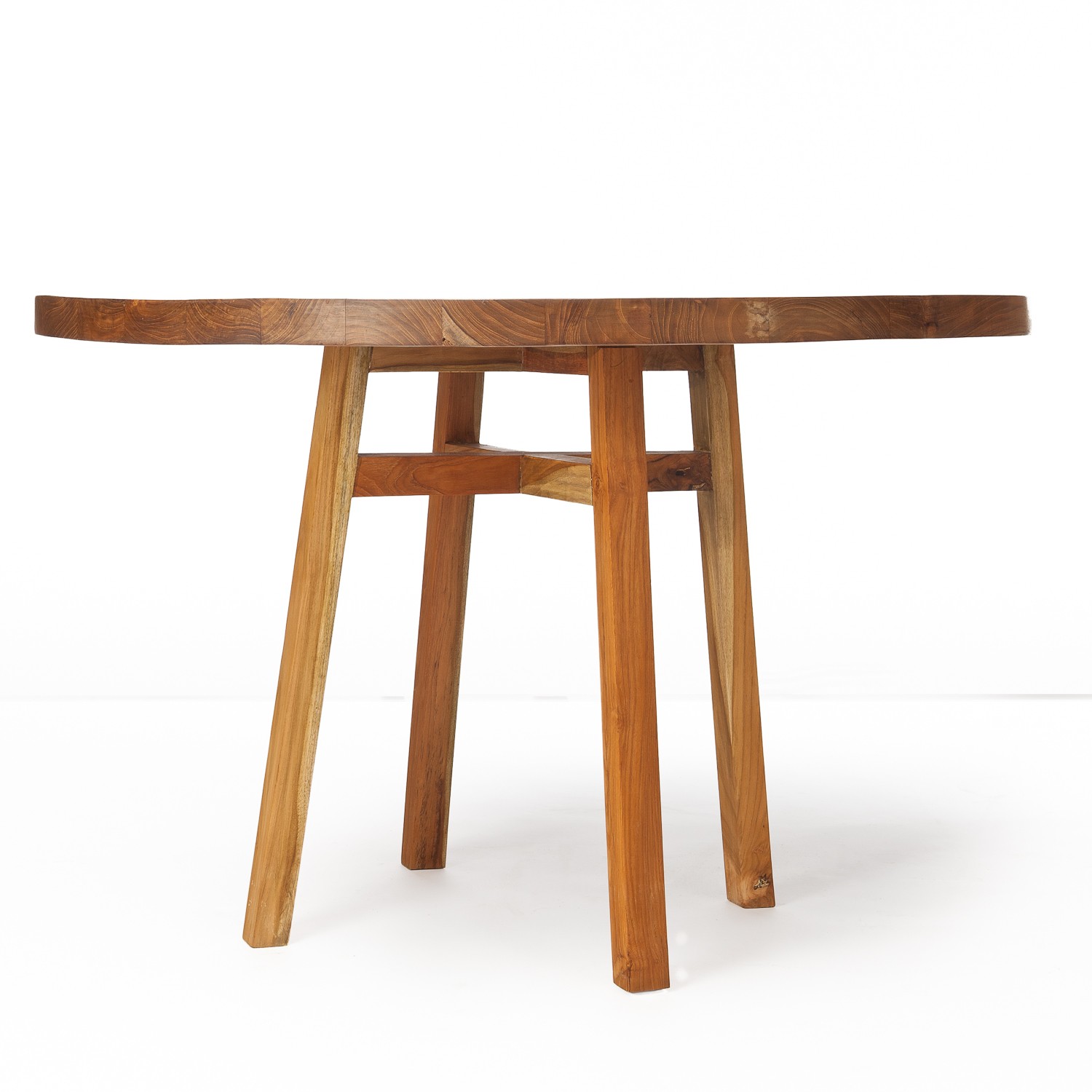
Teak contains oils that help it resist moisture, insects and decay, making it a dependable hardwood for an exposed dining area. It will gradually turn silver-grey if left untreated, which many homeowners like. Washing away leaf litter and allowing the timber to dry between wet periods is usually enough for a relaxed, weathered look.
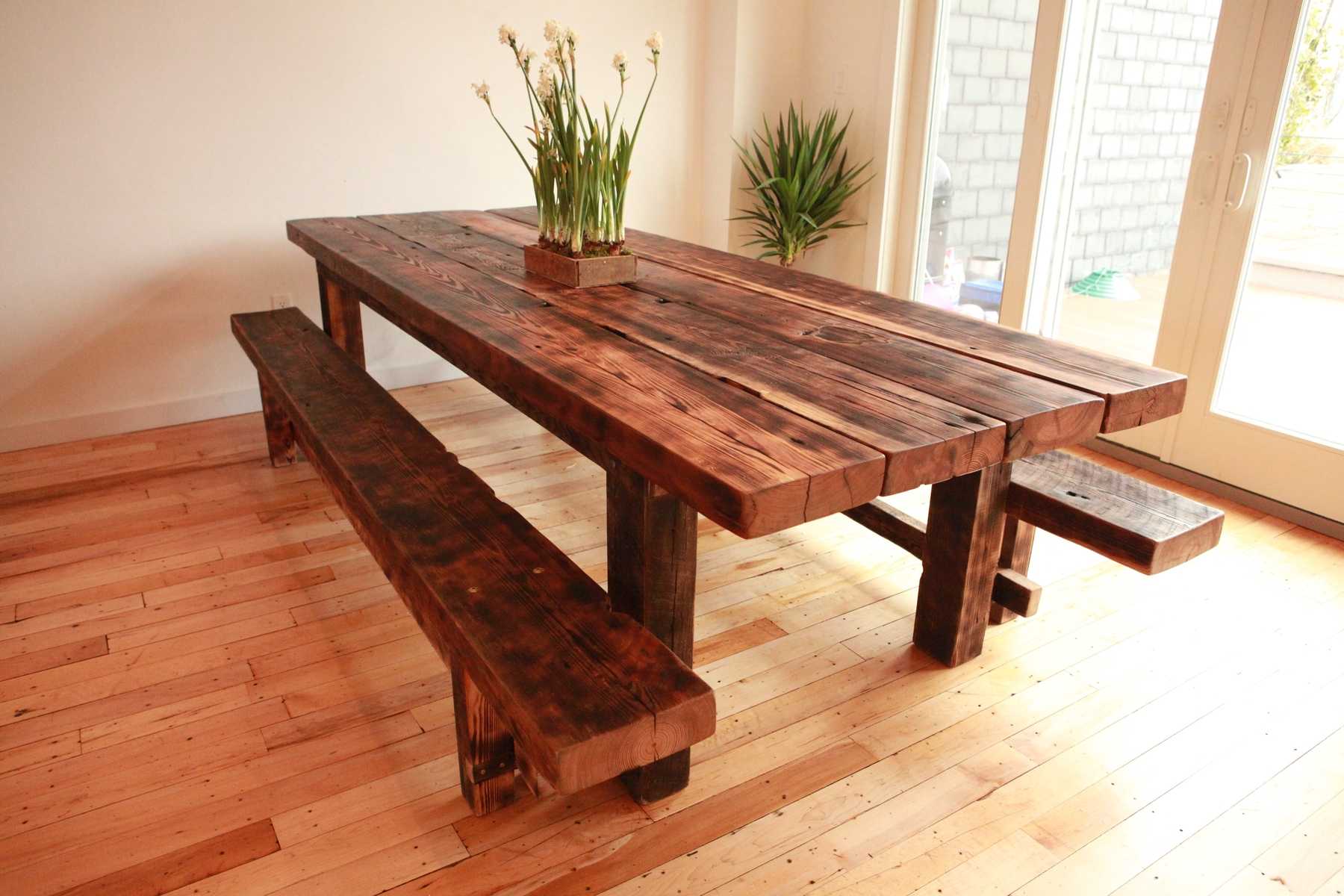
Other hardwoods can work when they are specifically rated for outdoor use, but indoor timber or unsealed softwood is a poor bet. Check whether the product has sealed end grain, rust-resistant hardware and replacement care products available locally. A timber table under a shade sail still benefits from occasional oiling if you want to preserve its original honey colour.
Recycled plastic and composite surfaces
High-density polyethylene, often sold as recycled plastic lumber, handles rain exceptionally well because it does not absorb water or splinter like untreated wood. It is a practical option for busy family gardens, poolside areas and homes where the table may be left uncovered. The trade-off is weight: a substantial recycled-plastic table can be awkward to move, though that stability is useful in a breezy coastal location.
Composite tops can resemble timber while resisting rot, mould and everyday spills. Examine the frame as carefully as the surface, since a weatherproof top attached to ordinary steel will still develop rust. For an alfresco space used for weekend barbies, a textured finish can disguise crumbs and light scuffing better than a glossy one.
| Material | Rain performance | Main strengths | Points to check |
|---|---|---|---|
| Powder-coated aluminium | Excellent | Light, rust-resistant, easy care | Coating quality and scratched areas |
| Teak | Very good | Natural oils, warm appearance | Sealing, end grain and timber source |
| Recycled plastic | Excellent | Rot-proof, low maintenance, stable | Weight and frame construction |
| Stainless steel | Excellent | Strong, clean-lined, durable | Marine-grade quality near the coast |
| Ceramic or porcelain | Excellent | Stain-resistant, decorative surface | Chipped edges and supporting base |
Stainless steel and ceramic for exposed settings
Marine-grade stainless steel is a strong choice near Sydney Harbour, the Gold Coast or any property exposed to sea spray. Lower grades may develop tea staining when salt settles on the surface, so look for 316 stainless steel where coastal exposure is significant. Regular rinsing with fresh water helps remove salt and airborne grime before they become stubborn marks.
Ceramic and porcelain tabletops offer excellent resistance to rain, stains and hot serving dishes, provided the supporting frame is weatherproof. Their hard surfaces suit a contemporary entertaining area, but corners can chip if the table is dragged across pavers. Use level feet and lift rather than slide the table when rearranging it.
Details that extend outdoor table life
Drainage should guide the design. Slatted tops allow water to escape quickly, while a small fall on a solid top prevents puddles from sitting around the centre. Rounded edges shed water more readily than deep, square profiles, and an open base dries faster than a boxy frame that traps leaves.
For a covered patio, a breathable furniture cover can reduce grime without locking condensation against the tabletop. Avoid wrapping a damp table tightly after a storm. In Melbourne’s changeable weather, that simple habit can prevent musty smells and surface mould; in humid Brisbane, airflow is even more important.
Think about how the table will be used through the year. If it is a permanent family dining spot, choose sturdy recycled plastic, powder-coated aluminium or a hardwood with proven outdoor credentials. If you frequently rearrange the setting for guests, weight and lifting points matter as much as rain resistance. Proportions also affect comfort, so check a practical guide to table height before pairing an outdoor table with benches or mixed seating.
Keep the tabletop clear of wet leaves, tighten fittings after seasonal movement and use coasters beneath plant pots. The right material will withstand rain, yet sensible placement and maintenance are what keep an outdoor dining area looking good for years.