Pedestal Tables vs Four-Leg Tables in Tight Spaces
Choosing a table for a compact home involves more than finding the smallest footprint. The base affects legroom, seating flexibility, cleaning, stability and how easily people move around the room. This is especially important in Australian apartments, terrace homes and open-plan living areas where dining, working and entertaining often happen in the same space.
Pedestal tables and four-leg tables can both work well in restricted rooms, but they solve different problems. A pedestal table centralises its support beneath the tabletop, while a traditional design places four legs near the corners. The better choice depends on the room shape, the number of users and how often the furniture needs to change roles.
How Each Table Uses Floor Space
A pedestal table usually has a central column or a broad central base, leaving the perimeter clear. Chairs can be positioned wherever they fit, which is useful when a compact round or square table needs to seat an extra guest. Without corner legs interrupting the chair positions, the surrounding space can feel less crowded.
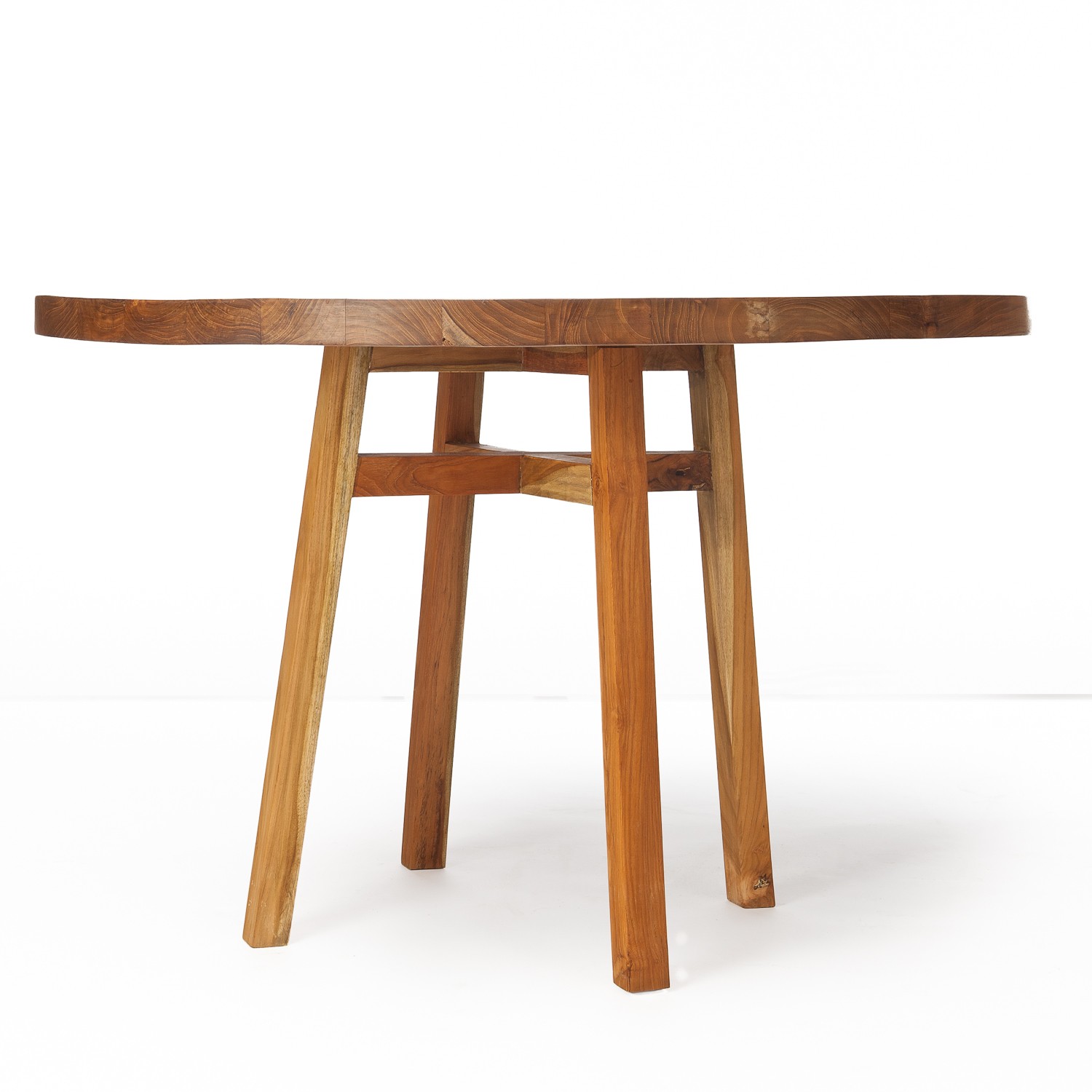
Four-leg tables have a familiar rectangular footprint, but their legs occupy the corners and can restrict seating. This is less noticeable in a generous dining room and more frustrating beside a kitchen island or narrow walkway. A slim, splayed-leg design may still perform well, particularly where the table must sit flush against a wall between meals.
Seating Flexibility And Everyday Comfort
For small Australian households, a pedestal dining table can be practical when the same surface is used for breakfast, laptop work and weekend meals. Round versions encourage conversation and avoid sharp corners in busy circulation zones. They are often easier to approach from different directions in a combined living and dining area.
Four-leg tables generally provide predictable support along each edge and suit rectangular rooms. They can be better for children who lean on the table or for households that prefer a sturdy, conventional feel. Before buying, check the height of the apron beneath the tabletop, since a low frame can reduce knee room even when the table appears compact.
Stability, Weight And Base Design
A pedestal is not automatically more stable than four legs. Its performance depends on the width and weight of the base, the column construction and the diameter of the top. A narrow pedestal under a heavy stone or thick timber surface may feel unbalanced, especially when someone pushes down near the edge.
Four separate legs distribute weight across a wider area and are usually straightforward to level on an uneven floor. However, loose joints can make a table wobble over time. For either style, look for adjustable feet, strong fixings and a tabletop proportion that matches the base. In homes with polished concrete or timber floors, felt or rubber protectors can reduce scratches and sliding.
Cleaning, Movement And Small-Room Layouts
The open area beneath a pedestal table makes sweeping and vacuuming simpler. This is handy in Melbourne or Sydney apartments where furniture may need to be shifted quickly to create space for guests. A single central base can also make it easier to slide chairs inward and keep the room visually calm.
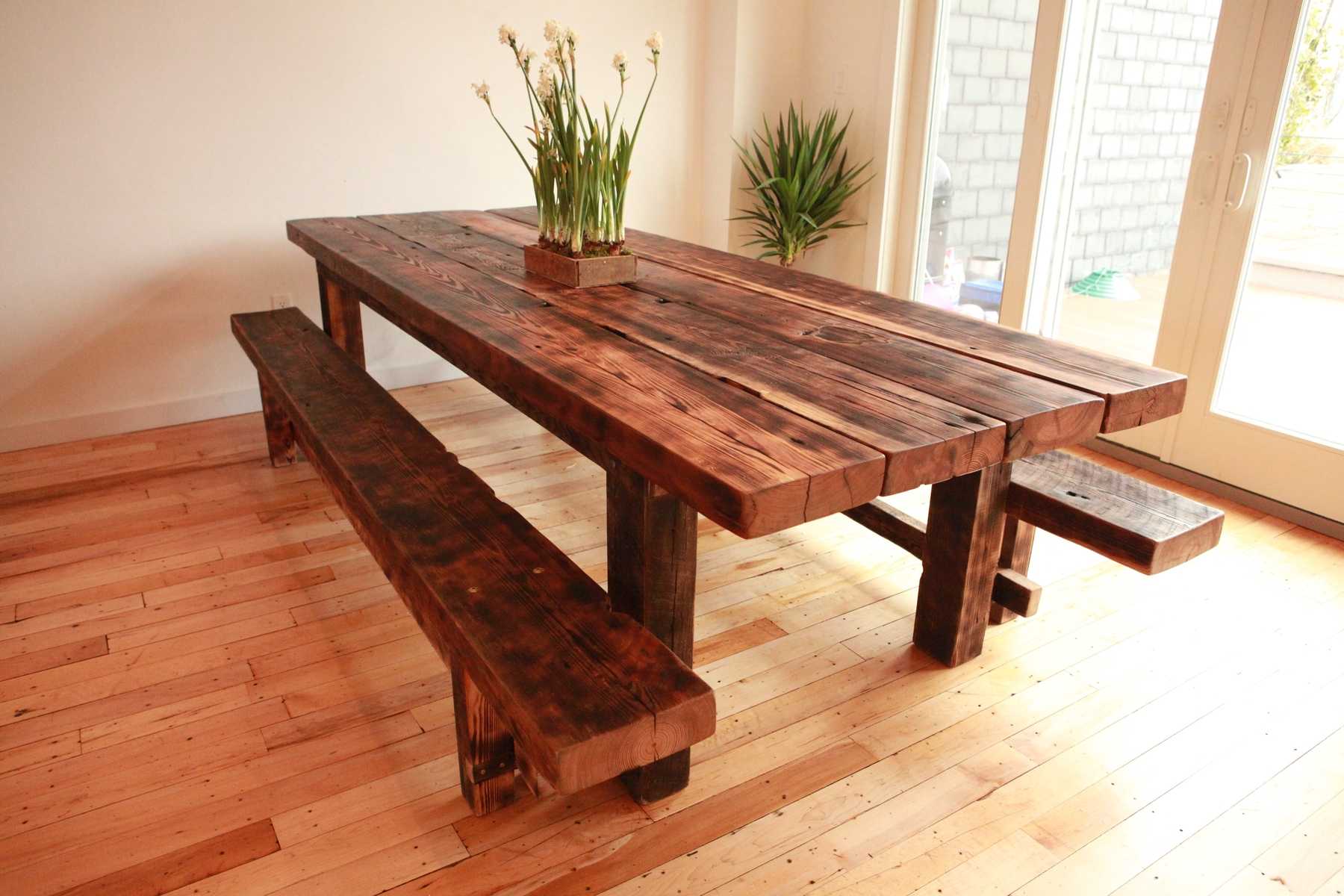
Four-leg tables can catch crumbs and dust around their joints, although their lighter construction may make them easier to lift. If the table doubles as a craft or study surface, a compact rectangular model can be pushed against a wall, then pulled out when needed. Measure doorways, lift access and storage areas before choosing a heavy fixed-base table.
Materials And Style For Australian Homes
Timber pedestal tables bring warmth to minimalist interiors and can soften the hard surfaces common in newer apartments. Engineered timber, laminate and powder-coated metal are often more affordable and may cope better with everyday spills. For design references covering different table shapes and rooms, home table ideas can help compare proportions before shopping.
A four-leg table offers more visible structure, making it suitable for farmhouse, Scandinavian, industrial and coastal interiors. Outdoor tables need separate consideration: UV exposure, rain and salt air near Brisbane, Perth or coastal New South Wales can affect finishes and metal hardware. Indoor furniture should not be assumed to be suitable for a covered patio unless the manufacturer approves it.
Measuring Before You Buy
Allow roughly 900 millimetres for a comfortable passage around a dining table, with extra clearance where a chair must be pulled out regularly. In a tight room, a round pedestal table can improve circulation, while a narrow rectangular four-leg table may use a long wall more efficiently. Mark the proposed footprint with painter’s tape before ordering.
Check the retailer’s assembly instructions, warranty and return terms, particularly for flat-pack furniture from the Australian market. Stability matters in homes with young children, and the Australian mandatory safety standard for toppling furniture places obligations on suppliers of certain freestanding items; following anchoring instructions remains important where applicable. For a smaller lounge area, browse compact coffee table styles for ideas about scale, clearance and storage.
The best option is the one that leaves useful movement around it after chairs, people and daily activities are accounted for. Choose a pedestal when flexible seating and easy cleaning matter most; choose four legs when wall placement, wide weight distribution or a traditional rectangular layout better suits the room.