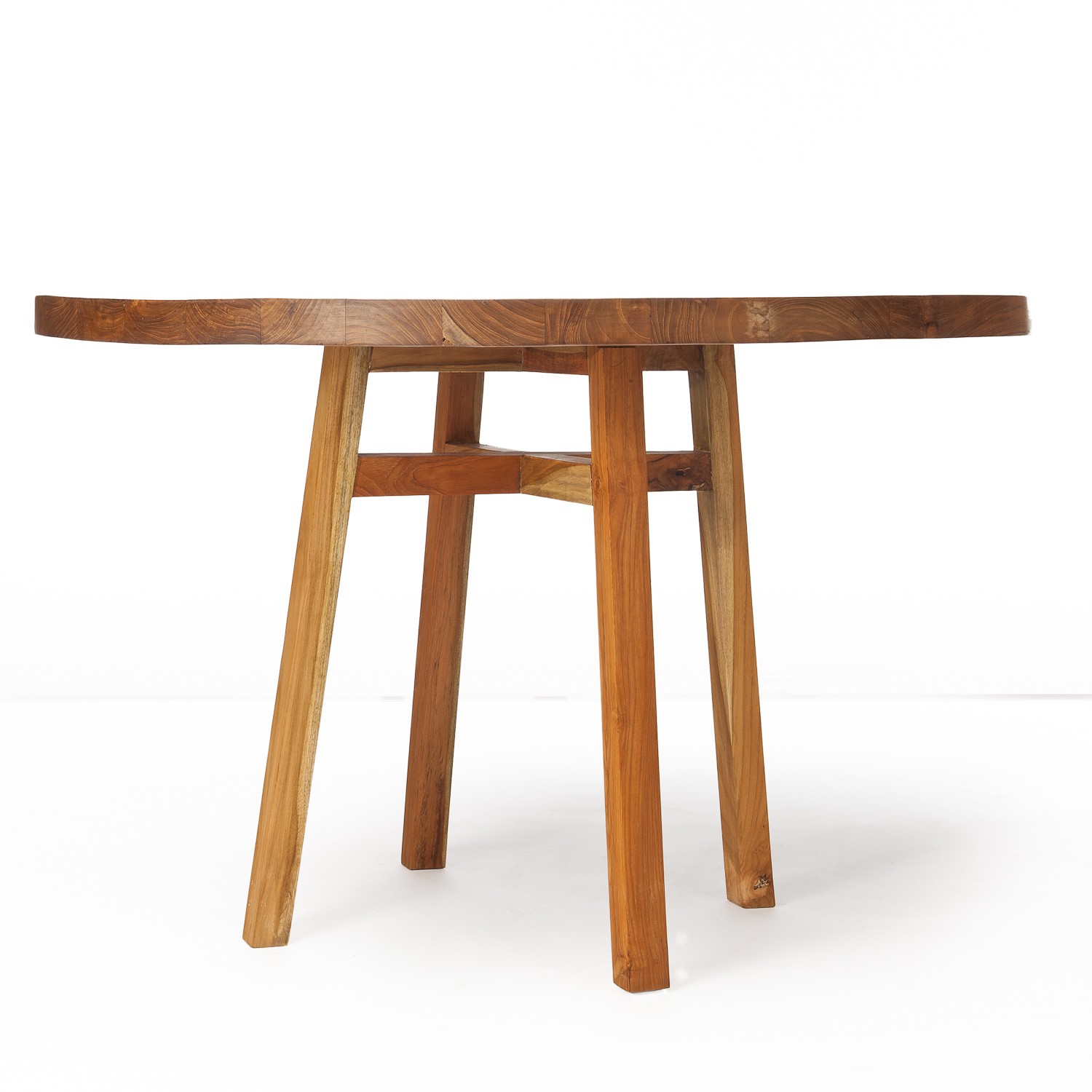
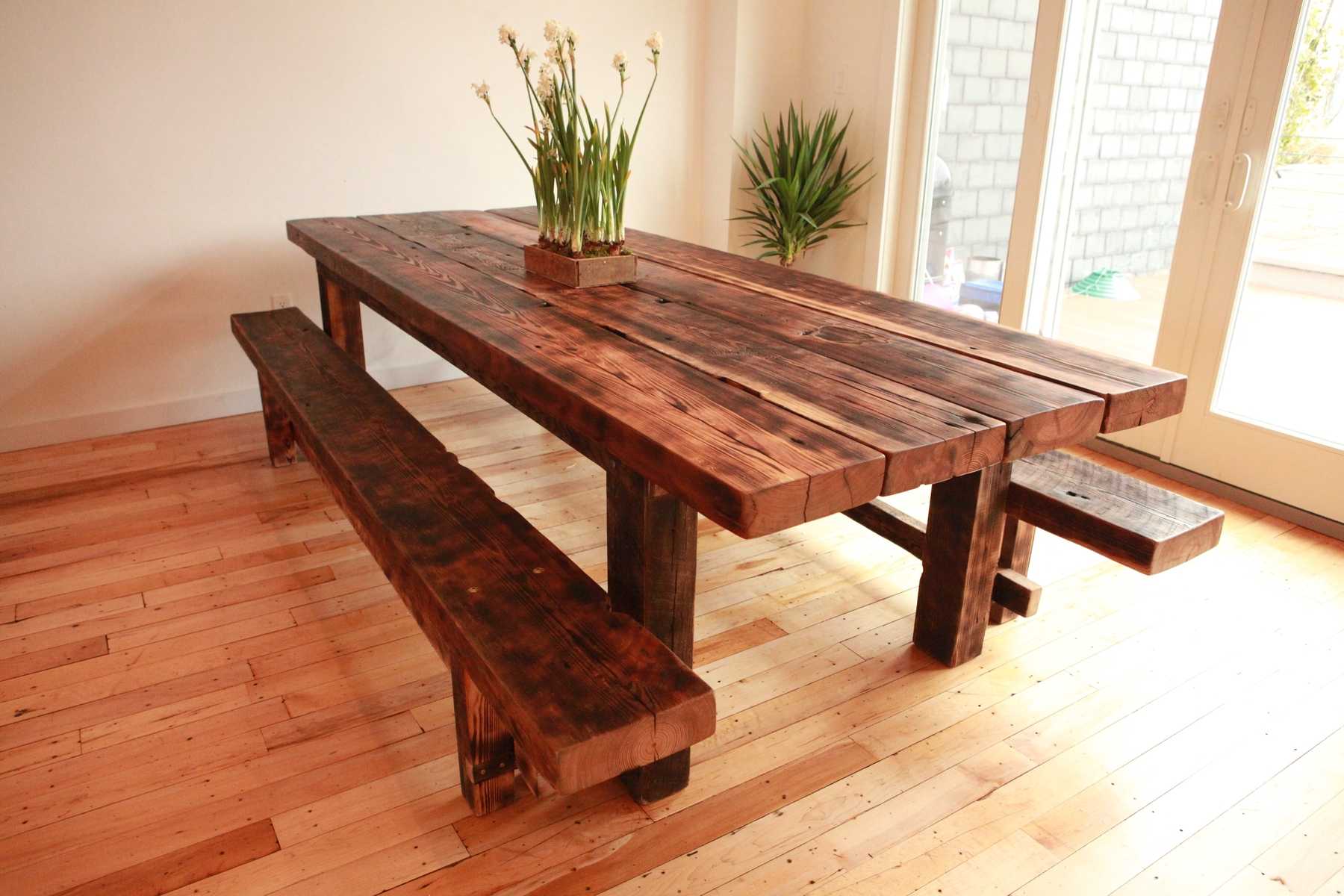
How to Anchor a Large Coffee Table in a Small Living Room
A generous coffee table can make a compact lounge feel deliberate, but it can also become a barricade between the sofa and the rest of an open-plan home. The trick is to make the table look intentional while preserving a clear route from the front door to the kitchen and balcony.
Australian flats and terraces, particularly around Sydney, Melbourne and Brisbane, often combine a lounge with dining and kitchen space, so every centimetre affects several zones. Anchoring the table means balancing visual weight, circulation and stability; simply shoving it against the wall may solve one problem while creating another.
Start with the walking space
Aim for a clear route of about 900 millimetres between the table and major obstacles where people regularly pass. A narrower gap can work in a quiet corner, but a busy route should feel generous rather than become a place where someone catches a shin every time they carry a plate through from the kitchen.
Map the usual journeys before deciding where the table belongs. Leave the main sightline through the room open, avoid placing it directly opposite a doorway and keep it away from the balcony slider in a way that prevents the door from hitting the edge. The table can sit close to the sofa without being pushed so tight that cleaning behind it becomes impossible.
Measure twice before it arrives
Use a metric tape to record the room, the skirting boards, the door swing and the delivered dimensions of the table, including its packaging. If it must pass through a narrow hallway, check the smallest turn as well as the width between the wall and any fixed furniture. Apartment lift dimensions are worth checking too; a table that fits the front door may not fit the lift or the turning space on the floor.
When checking online product pages, search using the exact model and retailer name. Broad results can mix furniture with unrelated offers such as VIP casino free spins, which offer no useful information about dimensions, load capacity or floor fixings. Save the specification sheet and compare it with your measurements rather than relying on a photograph.
Make the table look grounded
A rug can visually anchor a large table even when the footprint is modest. If proportions allow, place the front legs of both the sofa and table on the rug so they appear to share one zone. Repeat a timber tone, metal finish or shape elsewhere in the room to connect the table visually to the surrounding furniture.
Do not hide the table in a corner simply because the room is small. Position it in relation to the seating and the room’s main axis, then give it enough breathing space to read as an intentional centrepiece. A small gap behind the table can make it feel disconnected, while an extremely narrow gap can look difficult to clean.
Secure the actual structure
If the table needs genuine structural restraint, use a manufacturer-approved fixing rather than choosing screws by guesswork. Inspect the frame, top and joints first, especially on a heavy stone, glass or solid timber design. A child may treat a low table as a step, so stability matters even when the table is too heavy to tip by accident.
The floor construction determines the appropriate anchor. A masonry fixing suitable for concrete can split timber, while a screw intended for a timber joist may not hold in tile or masonry. Products from Bunnings, Home Hardware or Mitre 10 are labelled for particular substrates; follow those labels and the installation instructions. Where there is any uncertainty about the structure, use a qualified tradesperson.
Respect the floor and apartment rules
In a strata apartment, check the owners corporation rules before drilling into a wall or floor. Permission may be required for structural changes, and waterproofing or common-area requirements can apply. Embedded services, pipes and wiring should also be located before any penetration is made.
For a rental, ask the property manager rather than assuming a reversible-looking fix will be accepted. Non-drill options include a correctly sized anti-slip pad beneath the base, a manufacturer-designed restraint or using the rug to define the table’s place. Keep dated photographs and installation notes for your own record. When sharing plans or borrowed images, review the creator’s copyright and usage terms before reusing them.
Test it in everyday use
A coffee table is usually a landing place for the remote, mugs, homework, craft supplies or a laptop. Include those needs when positioning it, but keep charging cables out of the walking route and use a tray or coaster if the surface needs protection. In many Australian homes, that means preventing a mug from wobbling beside a full-length sofa or a game controller from disappearing under the table.
Mark the proposed footprint with masking tape or cardboard and walk through the lounge as usual. If the arrangement is not a bit awkward for the people who live there, shift the template before the table is delivered. After a week, notice whether the sofa, rug and table still form a balanced group.
A well-anchored coffee table is secure under load, connected visually to the seating and positioned within the room’s everyday circulation. It can still make a small Australian lounge feel generous without turning the space into a bottleneck.