How to protect patio tables from sun damage and fading
Australian patios are made for long lunches, morning coffee and relaxed outdoor entertaining, but intense sunlight can quickly age outdoor furniture. Ultraviolet rays break down finishes, bleach timber and fade painted surfaces, while heat can cause some materials to expand, crack or warp.
The most effective approach combines thoughtful placement, a suitable protective finish and regular care. Whether your setting is a Sydney balcony, a Brisbane entertaining area or a coastal deck in Perth, small changes can preserve colour and extend the life of a patio table.
Understand how sunlight affects outdoor furniture
UV radiation gradually weakens the surface of timber, plastic, powder-coated metal and composite materials. Dark stains may become patchy, painted finishes can lose their richness, and inexpensive plastics may turn brittle after repeated exposure. Australian conditions can accelerate this process because outdoor furniture often faces high UV levels for much of the year.
Heat also affects table structure. Timber can dry out and develop fine splits, while metal becomes hot enough to damage some table accessories or create uncomfortable surfaces. Near the coast, salt carried in sea air combines with sunlight and moisture, increasing corrosion on exposed hardware.
Choose a naturally resilient table material
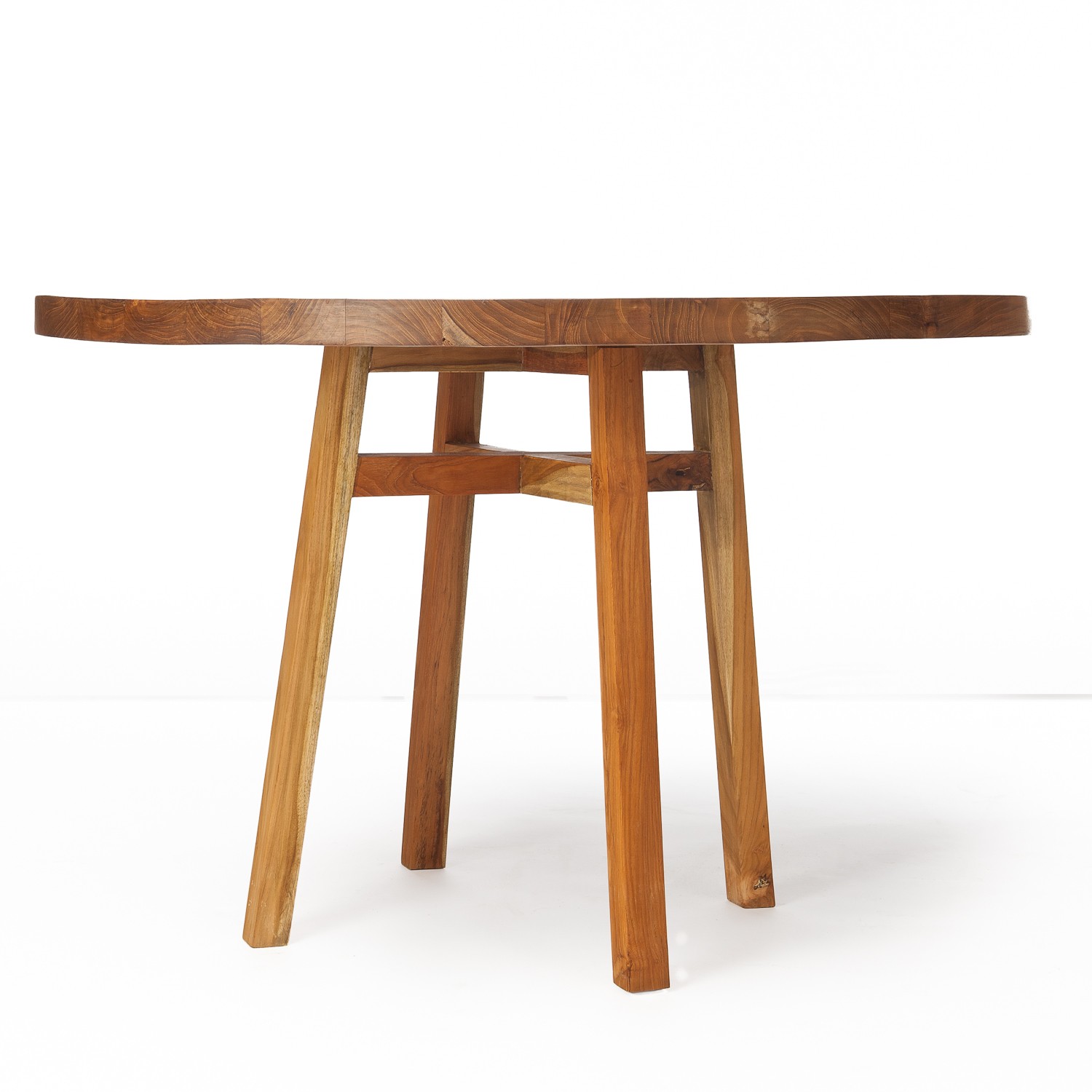
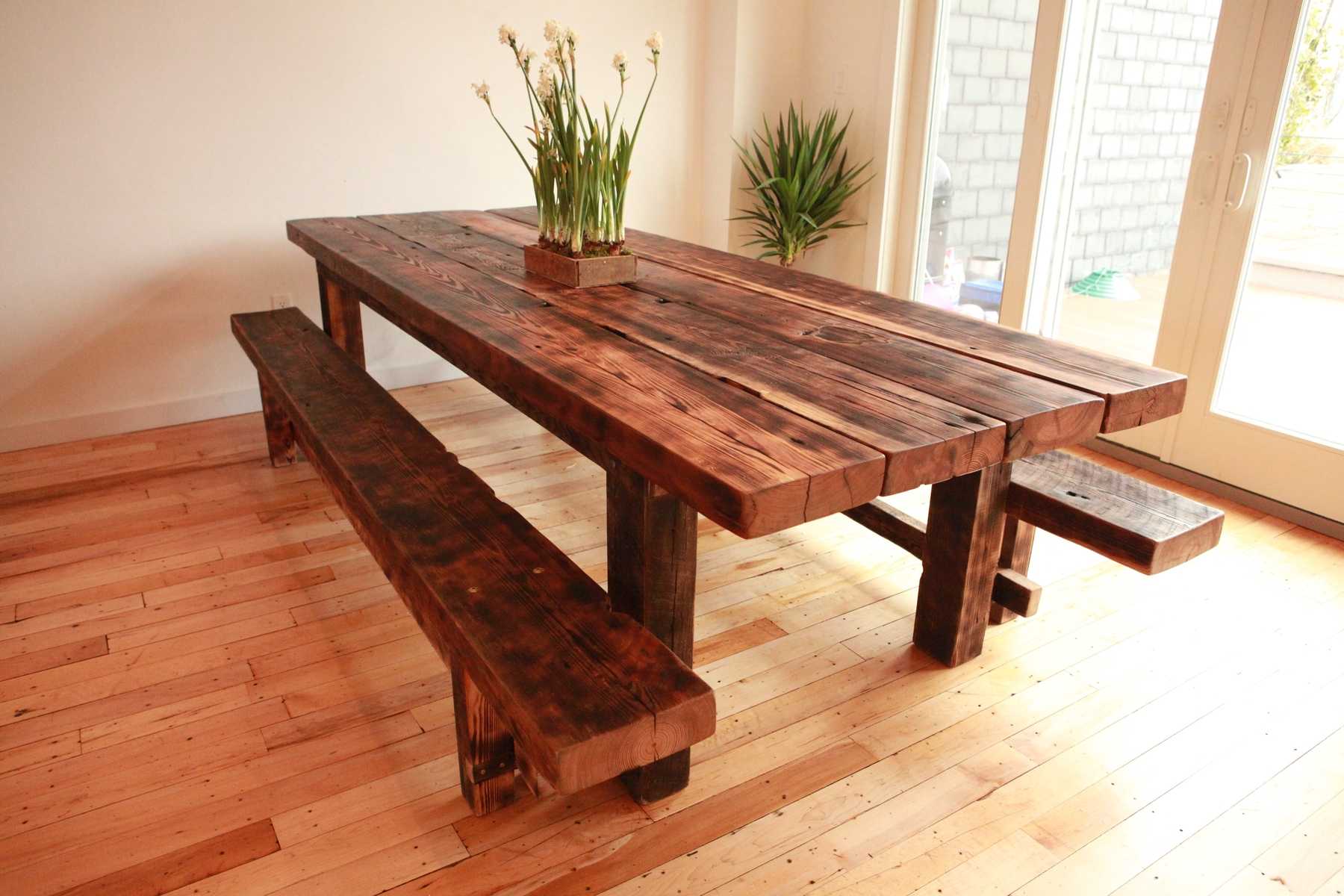
Hardwoods such as teak and some Australian hardwoods generally cope well with outdoor use, especially when the design allows water to drain away. They will gradually weather to a silvery grey if left untreated, which can be attractive, but an outdoor oil with UV inhibitors helps retain a warmer colour.
Powder-coated aluminium is a practical choice for sunny patios because it is lightweight and resistant to rust. Look for a quality coating with an outdoor warranty, and inspect joins for chips where corrosion may begin. Ceramic, stone and high-quality composite tops are also durable, although dark colours absorb more heat and may show fading sooner.
Place the table away from constant exposure
Shade is one of the simplest forms of sun protection. Position a dining table beneath a pergola, umbrella, shade sail or covered veranda, while allowing enough airflow to prevent moisture becoming trapped underneath. A north-facing patio in Australia can receive particularly strong sun, so adjustable shade is often more useful than a fixed screen.
For apartment balconies, check strata rules before attaching awnings or screens. Compact folding furniture can be moved indoors during heatwaves or extended periods of intense sun; these balcony table ideas can help when floor space is limited. Moving a table even a short distance each season can also prevent uneven fading.
Apply the right protective finish
Timber needs a product designed for exterior furniture rather than an indoor varnish. Outdoor oils penetrate the grain and are easier to refresh, while a marine-grade or exterior clear coat creates a stronger surface film when properly applied. Always sand lightly, clean the table and follow the manufacturer’s drying instructions.
Metal and painted surfaces should be cleaned before applying any touch-up coating. Use a product compatible with powder coating, aluminium or steel, and avoid covering drainage holes. For plastic and resin tables, a UV-protective furniture spray may slow fading, though it cannot restore colour that has already disappeared.
Use covers without trapping heat
A fitted outdoor furniture cover shields the tabletop from direct sunlight, bird mess and airborne grime. Choose breathable fabric with UV resistance, vents and a secure fastening system. A cover that flaps in strong wind can rub against corners and gradually mark the finish.
Do not cover a table while it is damp or extremely hot. On humid Brisbane days, trapped condensation can encourage mildew, and in coastal areas it may leave salt deposits on metal fittings. Remove the cover periodically so the table can air out and check for insect nests, moisture or surface damage.
Clean gently and inspect regularly
Dust and grime can intensify sun damage by holding moisture against the surface and making fading appear uneven. Wash most outdoor tables with mild soap, warm water and a soft cloth. Avoid harsh bleach, abrasive pads and pressure washing, which can strip finishes or force water into joints.
At the start of each season, inspect screws, brackets, legs and tabletop edges. Melbourne’s changing weather can expose furniture to hot sun, rain and sudden cool conditions within a short period. Tighten loose hardware, treat small rust spots early and reseal exposed timber before cracks become more serious.
Match protection to how you use the patio
A table used daily for family meals needs a different routine from one brought out for occasional entertaining. In busy alfresco areas, placemats, table runners and heat-resistant serving mats reduce direct contact with hot dishes, spills and scratching. Rotate decorative objects so one area does not develop a permanent colour difference.
During holidays or long periods away, store smaller side tables and removable components in a dry, shaded place. Keep care products suitable for the table material, and retain the manufacturer’s instructions and warranty details. For clarity about how linked resources handle visitor information, review the site’s privacy information before browsing further.
Refresh faded surfaces before damage spreads
Light fading does not always mean a table needs replacing. Timber may respond well to cleaning and a new coat of exterior oil, while a faded painted table can often be lightly prepared and recoated. Composite and plastic furniture is harder to recolour, so prevention through shade and covers matters most.
If the tabletop has warped, split deeply or developed unstable legs, prioritise safety over appearance. A replacement top, new hardware or professional restoration may extend the table’s useful life. With suitable materials, sensible placement and consistent maintenance, an outdoor table can remain attractive through Australia’s bright summers and changing seasons.