Metal vs wood patio tables: a practical comparison for Australian homes
The Australian outdoor lifestyle revolves around the patio, where families gather for weekend barbies and friends linger over long lunches. Choosing between metal and wood patio tables shapes not only the look of the space but also how well the furniture endures the harsh local climate. From coastal salt spray in Sydney harbour suburbs to the intense UV exposure in inland Queensland, each material responds differently to the conditions.
Both metals and timbers have earned their place in Australian backyards, but the right pick depends on your microclimate, design taste, and willingness to maintain the piece over the years. Weighing these factors before purchasing helps avoid early replacement and ensures the table becomes a long-lasting feature of your outdoor room.
Standing up to the Australian climate
Australian weather swings from scorching summers to wet winters, and patio furniture must cope with both. Metal tables, particularly those made from powder-coated aluminium or galvanised steel, resist rust and handle humidity well. They shrug off the salt-laden breezes common along the Mornington Peninsula and Gold Coast, provided the protective coating remains unbroken. However, dark finishes can become uncomfortably hot under the harsh midday sun, a real concern in places like Perth or Adelaide where temperatures regularly climb above thirty-five degrees.
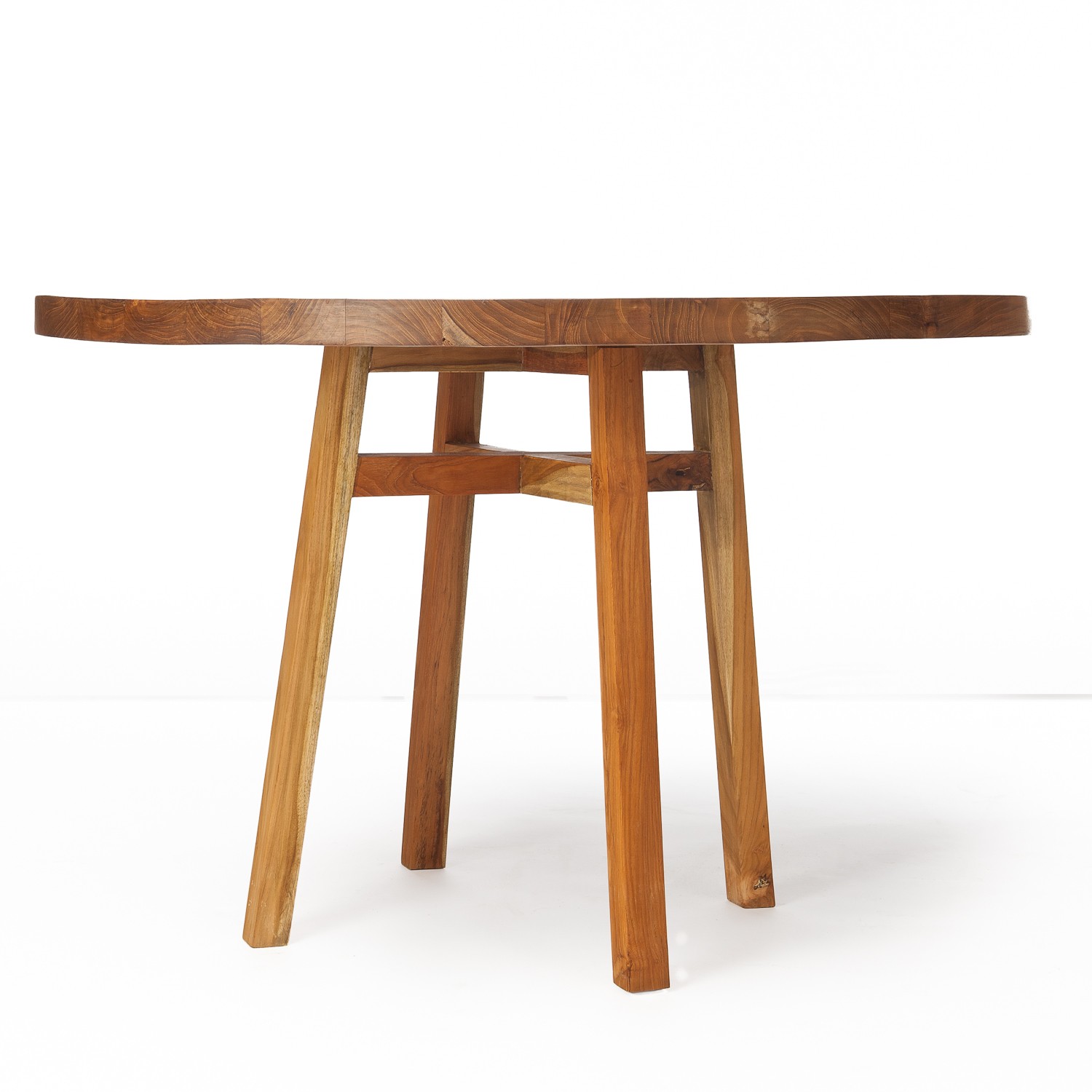
Wooden tables bring a different set of strengths. Hardwoods such as jarrah, blackbutt, and spotted gum—native to Western Australia and the eastern states—offer natural resilience against rot and insects. These dense timbers handle temperature fluctuations gracefully, though they require sealing to prevent moisture damage during heavy downpours. In tropical north Queensland, untreated softwoods can warp within a single wet season, making hardwood or properly treated alternatives the smarter choice.
Weight, stability, and everyday use
The heft of a patio table affects how it handles wind and daily life. Metal tables tend to be lighter, especially aluminium frames, which makes them easy to rearrange but vulnerable to gusts during a southerly buster in Melbourne. Heavier steel designs or tables with weighted bases stay put but may require two people to shift around the deck.
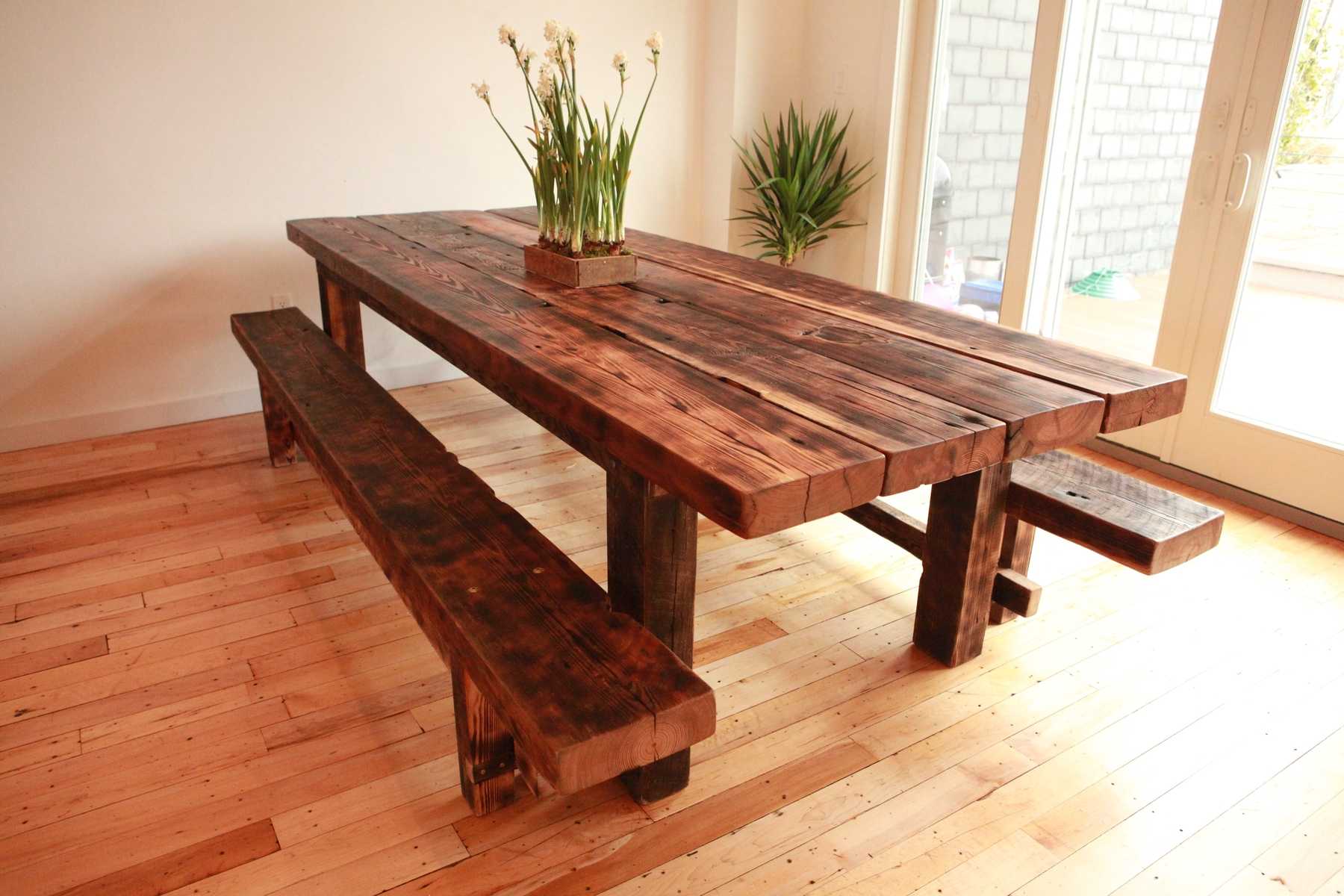
Wooden tables, particularly solid timber pieces, carry substantial weight. A reclaimed teak or jarrah table will sit firmly through storms without sliding across tiles or decking, yet repositioning it for a large family gathering demands effort. Households with young children might appreciate the solidity, as a heavy wooden table is less likely to tip during energetic play.
Maintenance demands and upkeep costs
Maintenance routines differ significantly between the two materials. Metal tables need little beyond an occasional wipe-down with soapy water and a check for chips in the powder coating. Touch-up paint pens, stocked at Bunnings or local hardware stores, can address small scratches before rust takes hold. Neglected metal may develop oxidation within a few coastal seasons, but attentive care extends life by decades.
Wood demands more consistent attention. A timber table benefits from oiling once or twice a year to preserve its colour and prevent drying or cracking. Spills from red wine at a long lunch should be wiped promptly to avoid staining. The upside is that scratches and dents—often seen as character—can be sanded back and refinished, restoring the surface. Homeowners in Sydney's inner west or Brisbane's western suburbs can source local restoration services or DIY guides to keep timber looking its best.
Aesthetic range and design styles
Metal patio tables suit contemporary, industrial, and coastal Hamptons-style homes. Slim aluminium frames paired with glass tops create an open, breezy look ideal for compact courtyards in Brisbane apartments. Wrought iron evokes heritage Queenslander verandas, though modern powder-coated versions deliver the same visual weight with less upkeep. The flexibility of metal allows for intricate cut-out patterns or sleek minimalist lines.
Wood brings warmth and organic texture that metal cannot match. A chunky recycled timber table becomes the heart of a rustic Hunter Valley vineyard retreat or a bohemian Byron Bay courtyard. Timber also pairs beautifully with native landscaping—think kangaroo paws and native grasses—creating a cohesive indoor-outdoor flow. For homeowners unsure which direction to take, exploring the design ideas at Kimberly Van Meter can spark inspiration tailored to varied Australian aesthetics.
Budget considerations and long-term value
Initial purchase prices vary widely. Basic metal patio sets are often more affordable at the entry level, available through big-box retailers and online marketplaces. Premium aluminium designs, however, compete with mid-range timber tables on price. Wooden tables, especially those built from sustainable local hardwoods, command higher upfront costs but offer decades of use with proper care.
Australians shopping for longevity often weigh replacement cycles. A cheap metal table may last five to seven years before showing significant wear, while a well-maintained hardwood table can serve a family for twenty years or more. Resale value also favours timber, particularly pieces crafted from sought-after Australian species.
Environmental impact and sourcing
Sustainability matters to many Australian households, and both materials present distinct considerations. Metal, particularly aluminium, is highly recyclable, and many local manufacturers use recycled content in their products. Steel production carries a higher carbon footprint, though recycled steel mitigates this impact.
Timber raises questions about forestry practices. Responsibly sourced Australian hardwoods certified by the Australian Forestry Standard support local jobs and ensure regrowth. Imported teak from managed plantations offers another sustainable route. For readers weighing these trade-offs and wanting tailored guidance, reaching out via the contact page can connect them with knowledgeable advisors who track sustainable sourcing across the region.
Blending both materials in one space
Rather than choosing one over the other, many Australian homes blend metal and wood to capture the strengths of each. A timber-topped table with an aluminium base combines the warmth of wood with the rust resistance of metal. Similarly, a wooden dining set can be paired with metal benches for flexible seating. This hybrid approach works particularly well in transitional spaces like covered pergolas, where the roof protects timber while metal elements handle exposed edges.
Combining materials also allows homeowners to refresh their patio gradually, adding pieces as budgets allow. Starting with a metal frame and topping it with a reclaimed timber slab offers a custom look without the premium price of a fully solid timber piece.