Outdoor Side Tables That Double as Plant Stands for Aussie Backyards
Aussies have always loved blurring the line between indoors and out. Whether it's a Sunday arvo barbecue on the deck or a quiet morning coffee on the verandah, the patio has become a proper living space rather than just somewhere to dry the clothes. That's why garden furniture that earns its keep, such as outdoor side tables that double as plant stands, feels like such a smart move for anyone short on square metres.
When the same piece can hold your flat white, a candle, and a terracotta pot of rosemary, you free up room for a few more chairs, a hammock, or that second barbecue you've been eyeing off at Bunnings. The trick is finding the right balance between function, durability against the harsh sun, and a look that suits everything from coastal fibro shacks to renovated Queenslanders.
Picking materials that handle Aussie weather
Outdoor side tables live a tougher life than their indoor cousins. In Brisbane, the UV index regularly sits above 10 through summer, while in Melbourne a single afternoon can swing from blazing sun to sideways rain. Powder-coated aluminium and marine-grade stainless steel handle both extremes without rusting or fading, which is why you'll see them across most ranges at Domayne. Treated hardwoods like spotted gum and blackbutt also age beautifully, though they do need a yearly oil to stay silver-grey rather than going patchy.
If you're near the beach, salt spray is the silent killer. Anything with cheap zinc hardware will start bleeding rust streaks down the side within a season, so it's worth paying extra for plastic or brass fittings. Concrete and fibre cement composites are another solid option, especially for plant stands holding heavier pots of architectural plants like strelitzia or fiddle leaf fig.
Getting the height and scale right
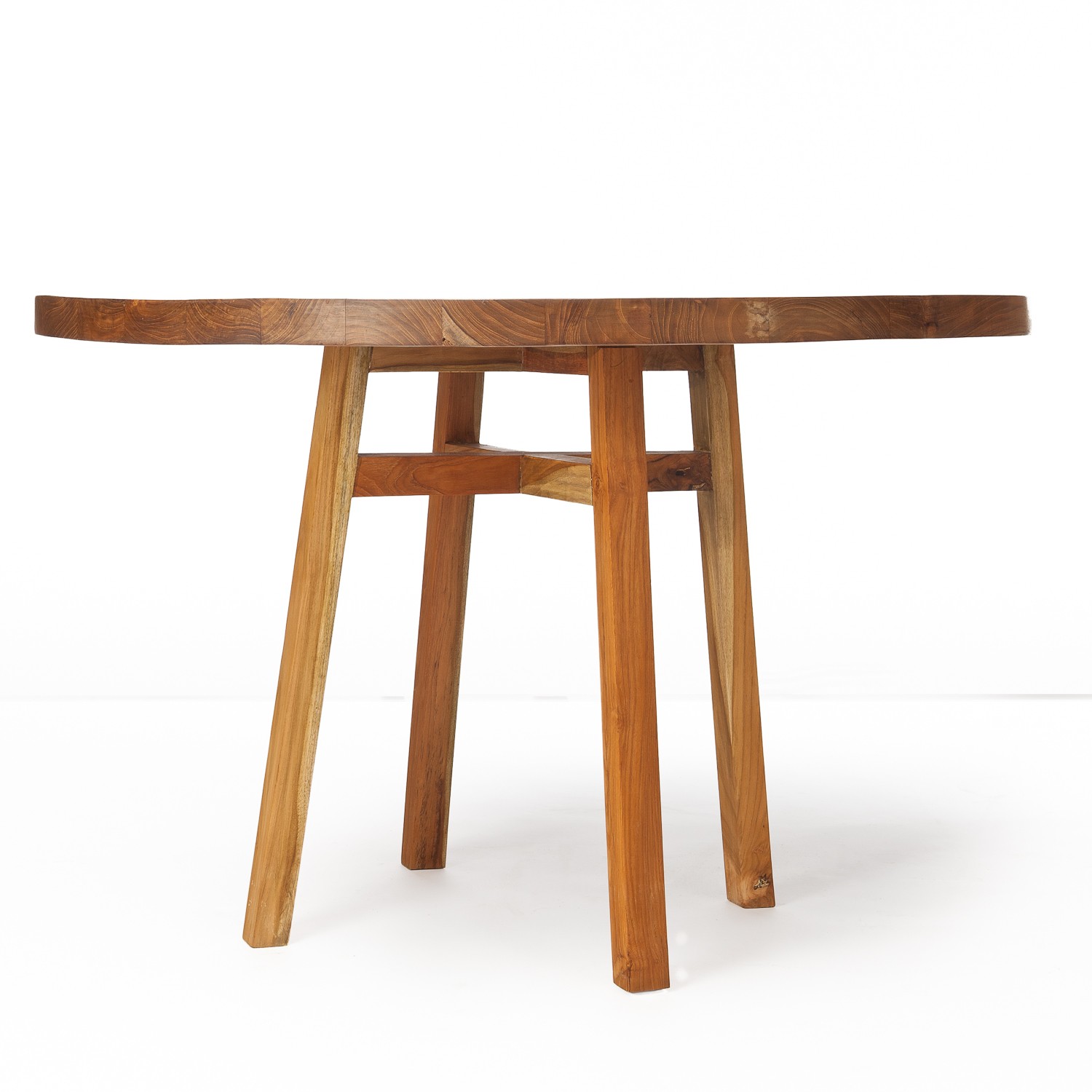
A common mistake is buying a side table that's either too tall to sit beside a low-slung outdoor lounge, or so low it ends up being a tripping hazard near a sofa. As a rough rule, the table should sit roughly level with the seat cushion or a few centimetres below it, so you can rest a drink without leaning awkwardly. Many coffee table height reference guides translate well to outdoor settings, so it's worth checking the measurements of your existing furniture before measuring up.
For plant stands, think about the mature size of what you're growing. A small herb pot of basil or thyme only needs a low stand around 40 centimetres, but a feature plant like a weeping fig or a topiary bay tree wants something taller and sturdier. Tiered designs work brilliantly here because they let you layer a trailing plant like string of pearls above a more upright succulent, creating a mini display without taking up extra floor space.
Styles that suit every kind of Aussie home
Coastal homes around the Mornington Peninsula or the Central Coast lean towards whitewashed timber, woven rattan tops, and rope detailing. These pair nicely with native plants like banksia or a strappy lomandra that won't mind a bit of wind off the water. Mid-century fans in the inner west often prefer concrete tops with cleaner lines and warm timber accents, which offer a polished look that still feels relaxed.
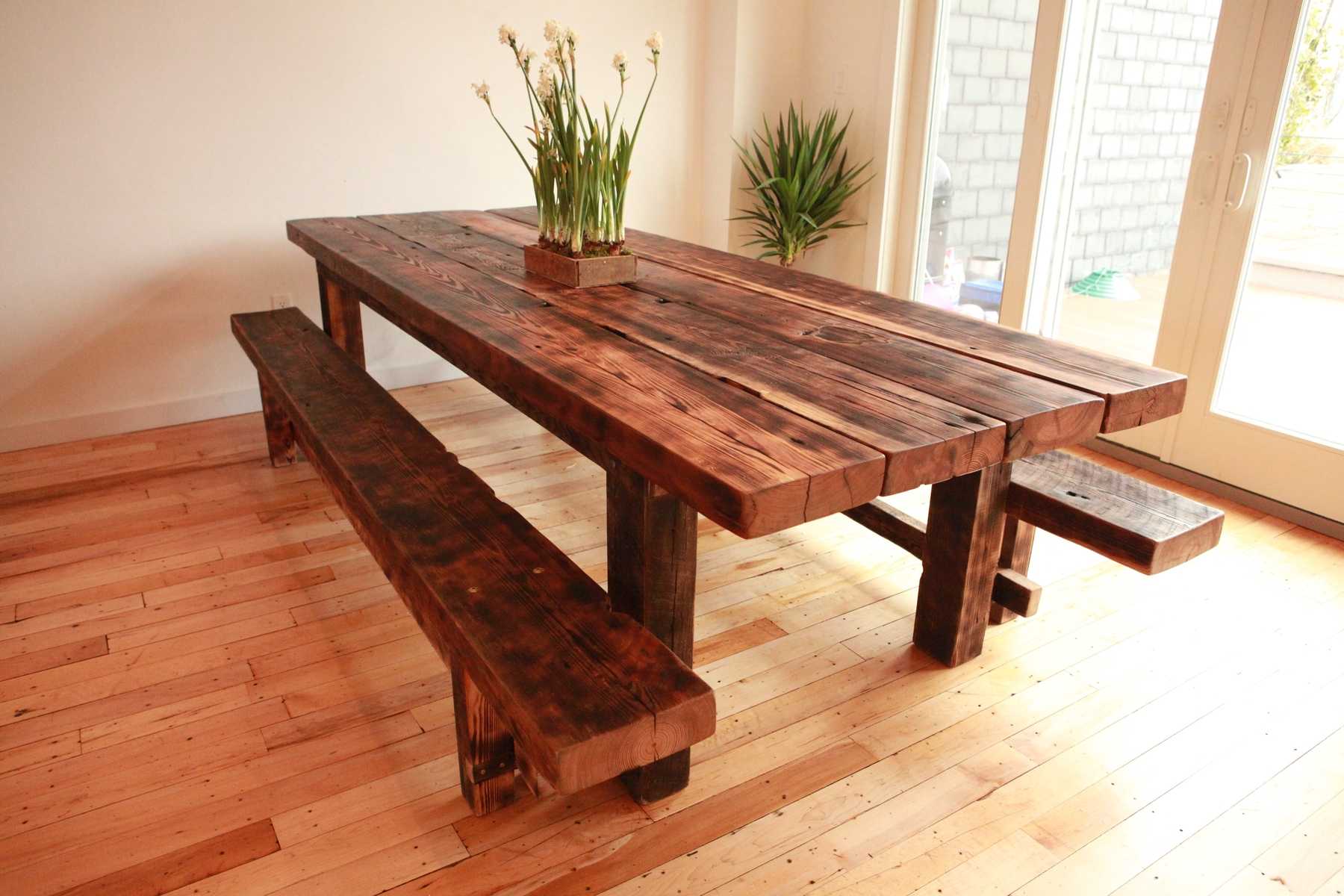
For a more rustic look suited to country properties or a renovated farmhouse in the Adelaide Hills, galvanised troughs or reclaimed timber plinths do the job brilliantly. They bring a bit of honest texture, and they age into that lovely soft grey that seems to match gumtree gardens perfectly. If you're renting or don't want anything too permanent, foldable designs that can be moved under cover when a southerly buster rolls through are a clever compromise.
Where to place them around the patio
Positioning matters as much as the table itself. The most useful spot is usually beside the main seating zone, where a side table can serve drinks and host a single statement plant. For inspiration on laying out an entire outdoor patio zone, it helps to think about how people naturally move through the space, from the kitchen out to the lounge. Another classic Aussie move is flanking the entrance to the alfresco area with matching stands dressed in potted lilly pilly or bay trees, which gives the space a bit of symmetry and a lovely scent when you brush past.
Smaller tiers can sit along a sunny brick wall or beside the back door, catching morning light for herbs you'll actually use in the kitchen. A pair of taller stands near the pool fence, outside the no-go zone of course, adds height and softens the harshness of glass panels. Just remember that anything under a pergola or Colorbond roof will need less water-loving plants, since it won't catch the rain.
DIY and upcycle ideas worth a weekend
If trawling the displays at your local Bunnings or Reece doesn't spark joy, a DIY build can be surprisingly quick. An old wooden stool sanded back, sealed with exterior oil, and topped with a ceramic pot makes a charming plant stand that costs almost nothing. Wine crates turn up at car boot sales around inner-city suburbs, and they can be stacked and screwed together to create tiered displays with proper drainage holes drilled through.
Even an unused bar cart can become a rolling plant stand, which is handy for chasing the sun as it moves across a small courtyard. The key is to seal any raw timber properly and to use trays under terracotta pots so you don't end up with rust marks on the deck. With a bit of imagination, the line between furniture and garden keeps getting a healthy dose of Aussie blurring.