Choosing a pedestal dining table for a small family home
Inner-city apartments in Sydney, renovated terraces in Melbourne, and compact Queenslander cottages in Brisbane all share a familiar challenge: where does a family of three or four actually sit down together? Floor space is at a premium, and bulky furniture quickly overwhelms an open-plan living area. A pedestal dining table solves several of these problems at once, which explains why it has become a staple in many Australian homes over the past decade.
That said, a single central base is not a perfect answer for every household. Stability, seating flexibility, and long-term value all deserve a closer look before committing to a piece of furniture that will anchor your daily routine.
Why pedestal bases free up floor space
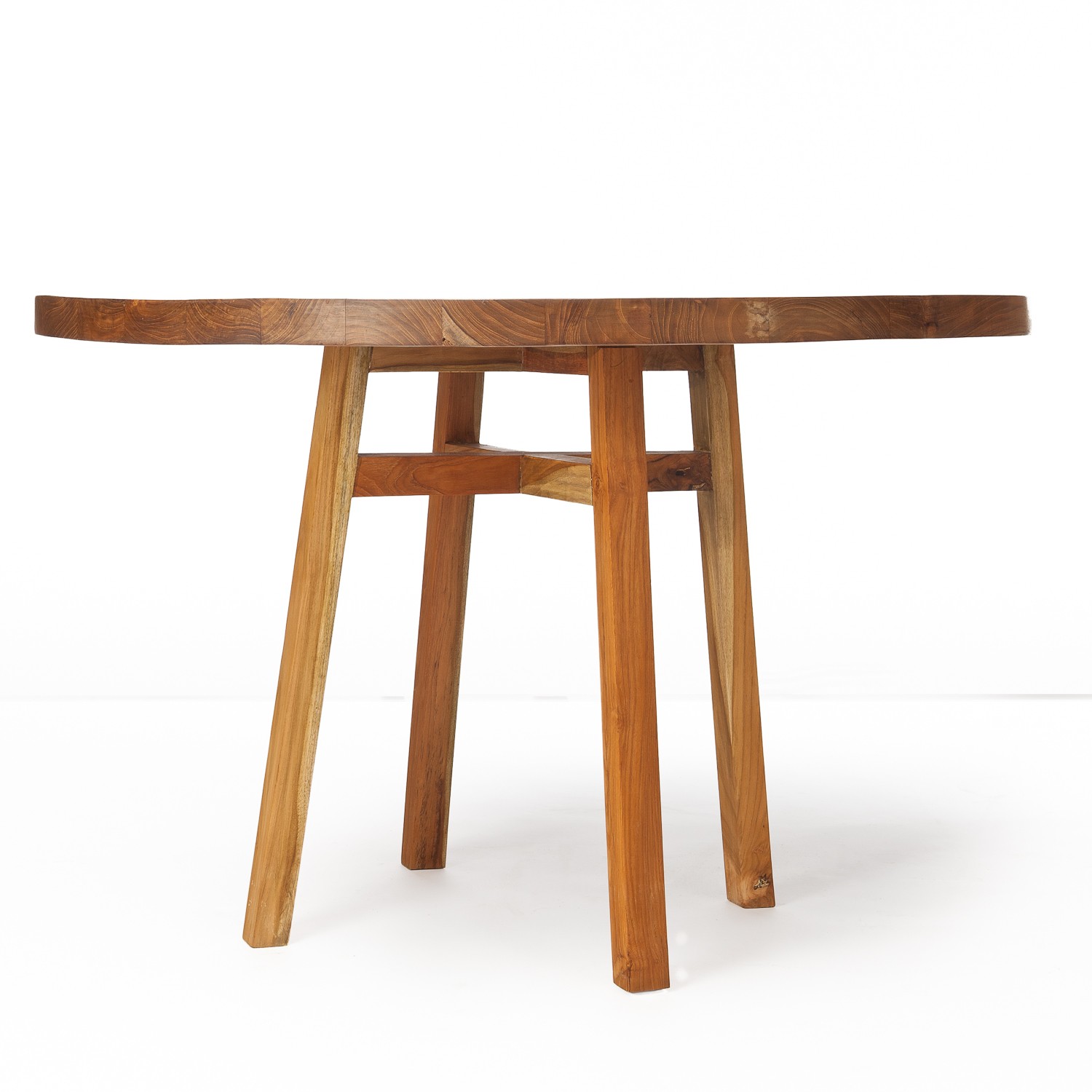
The defining feature of a pedestal table is the absence of four corner legs. Instead, a single column, a sculptural trestle, or a wide geometric base supports the top, which immediately changes how a dining area functions. Chairs can be pushed in fully, slid around without catching on a leg, and pulled up at unexpected angles when cousins, grandparents, or neighbourhood kids drop in for dinner.
In a narrow dining nook off a Melbourne kitchen or against the wall of a Sydney apartment, this flexibility often makes the difference between a cramped squeeze and a comfortable everyday setting. Parents of toddlers also appreciate the lack of sharp corners at shin height, and the central column can be used to anchor a lazy Susan on lazy Sunday lunch days.
Style and material choices in the Australian market
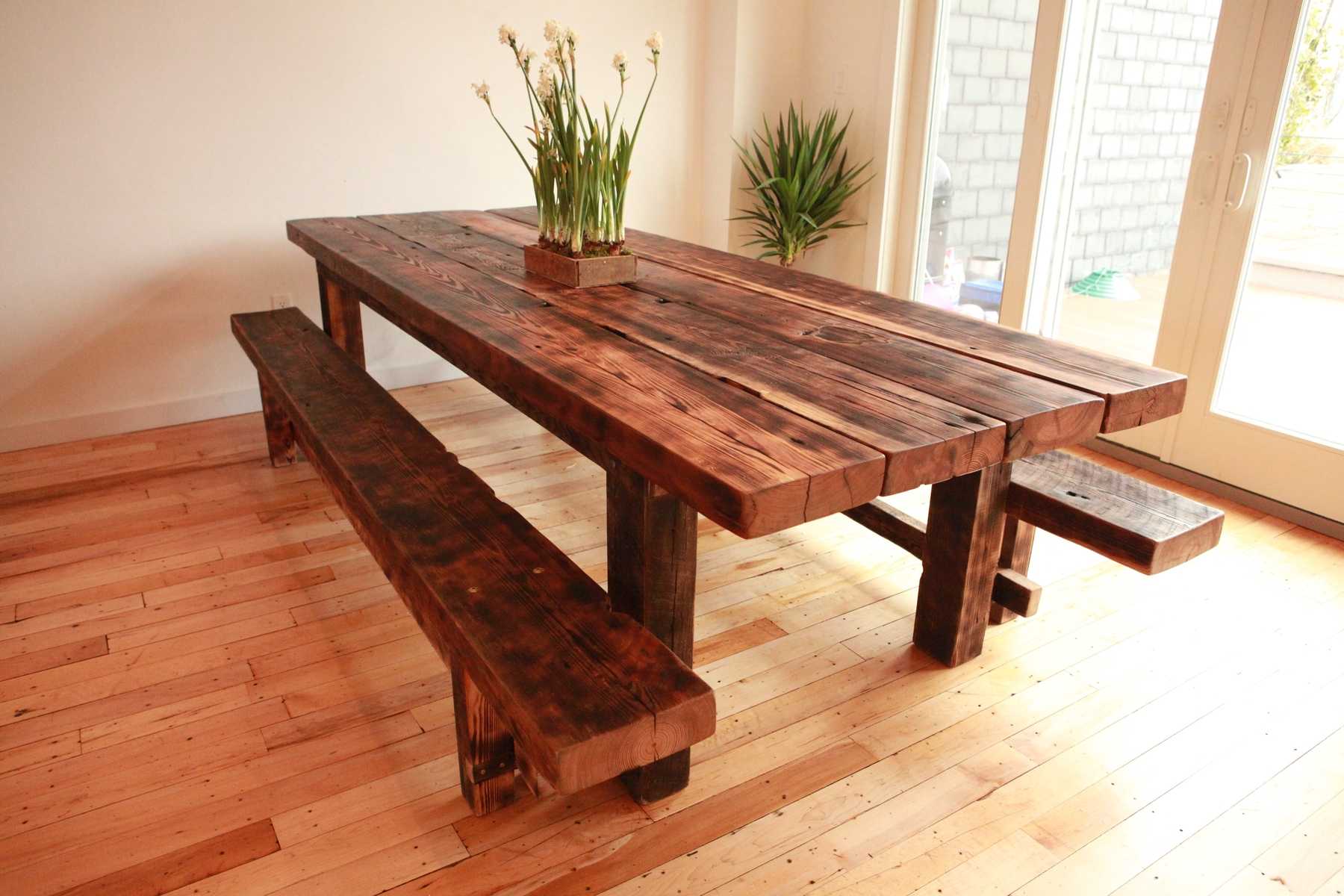
Australian homes tend to favour materials that age gracefully under harsh light, and pedestal tables are no exception. Local timbers such as Blackbutt, Spotted Gum, and Tasmanian Oak are popular for tops, offering warm tones that pair well with the pale walls common in renovated Federation homes. For a sharper, more contemporary look, a marble or engineered stone top on a slim metal pedestal suits the apartment builds popping up around Parramatta and South Melbourne.
The retail landscape is broad. Temple & Webster, Domayne, and Freedom carry a wide range, while IKEA's Marsden Park warehouse draws bargain hunters from across western Sydney. For those who prefer something with history, weekend visits to the Rozelle or Camberwell markets often turn up mid-century solid timber pieces waiting for a second life.
Stability and the wobble question
The most common reservation families raise is wobble, and it is worth taking seriously. A poorly engineered single-column pedestal, especially one with a lightweight top, can rock when a child leans on the edge or when chairs are dragged roughly. Solid hardwood bases with a wide footprint, or a trestle design with two heavy feet, feel far more planted.
When shopping, push down firmly on each corner of the top before buying, and check whether the base includes adjustable feet to compensate for slightly uneven floors. Stone or concrete pedestals offer the best stability but can be punishingly heavy to move, so think carefully about placement before delivery. A family that plans to rearrange furniture every few months may prefer a lighter timber base.
Seating flexibility for everyday family life
Round and oval pedestal tables are particularly forgiving in compact dining rooms. A 120 cm round base comfortably seats four and squeezes in a fifth for pasta nights, while a 150 cm oval version handles six without anyone feeling elbow-to-elbow. Rectangular pedestal tables work best when pushed against a wall in a galley kitchen, with a bench on the open side for casual breakfasts.
Storage solutions tend to follow the same logic in small family homes, where every piece of furniture is expected to earn its keep. A coordinated approach in the living area, such as investing in a storage coffee table, helps keep toys and remote controls from migrating to the dining surface between meals.
Cost, care and long-term value
Prices for pedestal dining tables in Australia range from around $400 for flat-pack options to well over $5,000 for designer pieces in solid Australian hardwood. Mid-range buys from local makers typically land between $1,200 and $2,500 and tend to age well.
Care is straightforward but not zero. Timber tops benefit from a fresh coat of hard wax oil every couple of years, and Bunnings stocks everything needed for a weekend restoration. Families who enjoy hands-on projects often start by restoring a vintage coffee table, and the same sanding and oiling process transfers directly to an older pedestal base picked up at a local market. With sensible use, a well-made pedestal table will outlast a child's high-chair phase, a teenage homework sprawl, and many family dinners in between.