Rustic Barn Door Coffee Table Build Guide
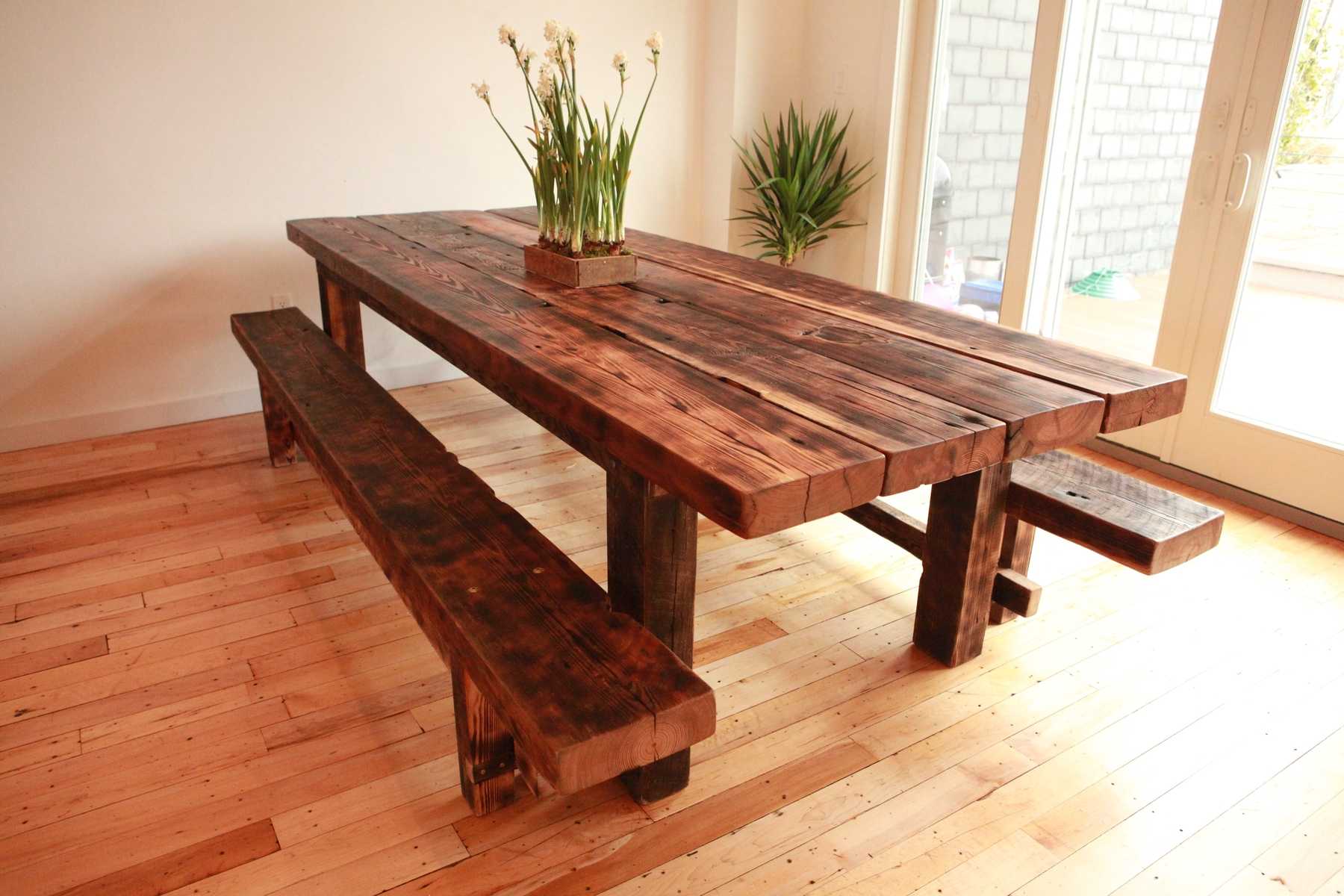
A rustic barn door coffee table brings farmhouse character into a living room while offering a practical surface for books, drinks and remote controls. Its signature feature is a hinged or fixed timber panel that resembles an old shed door, usually framed with chunky boards and black strap hardware.
This project suits a weekend workshop and can be adapted for a compact Melbourne apartment, a spacious Brisbane family room or a coastal home in Perth. The finished piece can be built from new pine, recycled hardwood or salvaged fence boards, depending on the texture and durability you want.
A useful design combines an aged timber top with a sturdy base and discreet storage. A lower shelf, shallow drawer or lift-up barn door compartment keeps everyday clutter under control without losing the open, handcrafted look.
Measure in millimetres and plan around the sofa before buying materials. A coffee table that looks balanced in a large showroom may feel oversized in a Sydney lounge room, while a narrow design can suit smaller Australian homes and apartments.
Plan the size and layout
A comfortable coffee table is generally about two-thirds the length of the sofa. For many living rooms, a top around 1000–1200 mm long and 500–600 mm wide works well, with a height of roughly 400–450 mm. Leave enough clearance for knees and foot traffic around the table.
Sketch the barn door effect before cutting timber. You might use three wide boards across the top, two end boards, and diagonal bracing that creates the familiar Z pattern. Keep the brace decorative unless the door panel is genuinely hinged and needs extra rigidity.
Choose timber with character
New pine from Bunnings is affordable and easy to cut, while reclaimed hardwood offers deeper marks, knots and colour variation. Old fence palings can look excellent, but inspect them carefully for rot, chemical treatment, nails and excessive splitting before bringing them indoors.
For an authentic rustic finish, combine boards with slightly different tones rather than forcing every surface to match. Australian species such as spotted gum or recycled Tasmanian oak can produce a warm, durable table, although hardwood requires sharper blades and more pre-drilling.
Prepare the barn door top
Cut the top boards to length and arrange them face down on a flat surface. Add two or three battens across the underside, applying wood glue and screws from below so the fixings remain hidden. Do not rely on glue alone, particularly when using wide boards that may move with seasonal humidity.
Lightly sand sharp edges while preserving saw marks and old surface dents. If using reclaimed timber, brush away loose dirt and remove every protruding nail. A random orbital sander on a moderate setting will smooth splinters without erasing the aged character.
Build a solid base
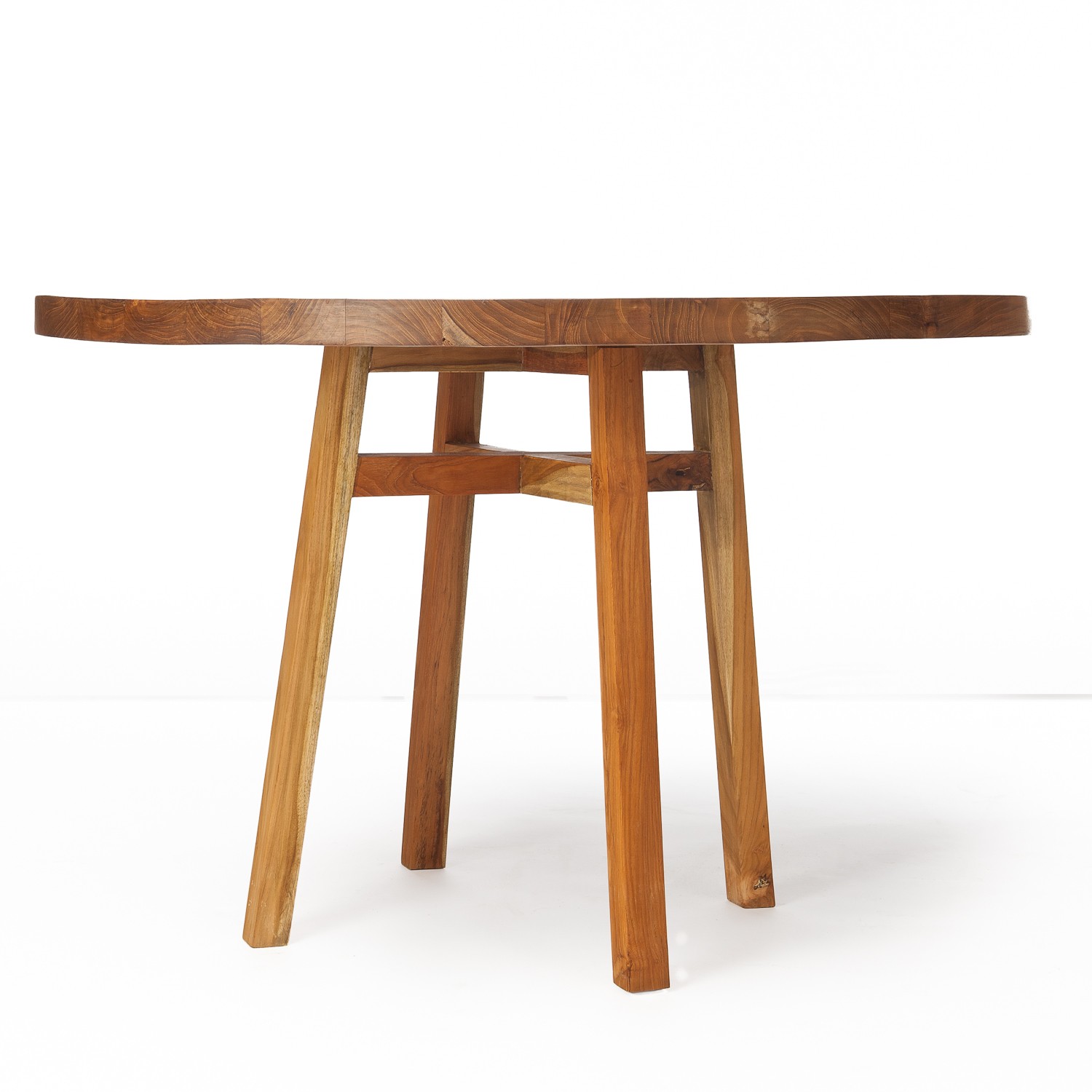
A simple base can be made from four legs joined by side rails, or from two trestle-style frames connected with long stretchers. Chunky square legs give the coffee table a substantial farmhouse appearance, while tapered legs create a lighter profile for modern interiors.
Check each corner with a square before tightening the screws. Pocket-hole joinery keeps the outside clean, but traditional butt joints reinforced with dowels also work well. Add adjustable feet if the floor is uneven, especially in older Queenslanders or homes with timber flooring.
Add hardware and storage
Black powder-coated strap hinges, corner brackets and carriage-style bolts reinforce the barn door theme. Choose hardware that is decorative but appropriately sized; oversized fittings can dominate a small table. If the top is fixed, use dummy hinges or strap plates to suggest a working door without creating a heavy lid.
For storage, install a low shelf between the legs or build a shallow compartment beneath the top. A hinged panel should have a controlled opening angle and a reliable support. It must never be treated as a changing surface; changing table safety guidance explains why furniture designed for another purpose should not be repurposed for infant care.
Create an aged finish
Start with a water-based stain, tinted oil or diluted paint wash. Grey-brown, warm walnut and muted black suit a barn door coffee table, while a pale whitewash works well with coastal interiors. Test the finish on an offcut because reclaimed timber absorbs colour unevenly.
For extra depth, rub a darker colour into joints and dents, then wipe the surface clean. Finish with two or three coats of low-sheen polyurethane, hardwax oil or furniture wax. Allow proper drying time and provide ventilation, particularly during warm summer weather in Adelaide or Perth.
Protect the table for daily use
Once assembled, place felt pads beneath the legs and check that the table does not rock. Round over exposed corners if children use the room, and make sure every hinge, bracket and screw is firmly secured. A rustic appearance should never mean loose hardware or rough splinters.
Clean the surface with a soft, damp cloth rather than soaking the timber. Coasters help prevent rings from Australian iced coffees and cold drinks, while a tray protects the finish when entertaining. For advice about materials, replacement hardware or a custom adaptation, use the contact page.