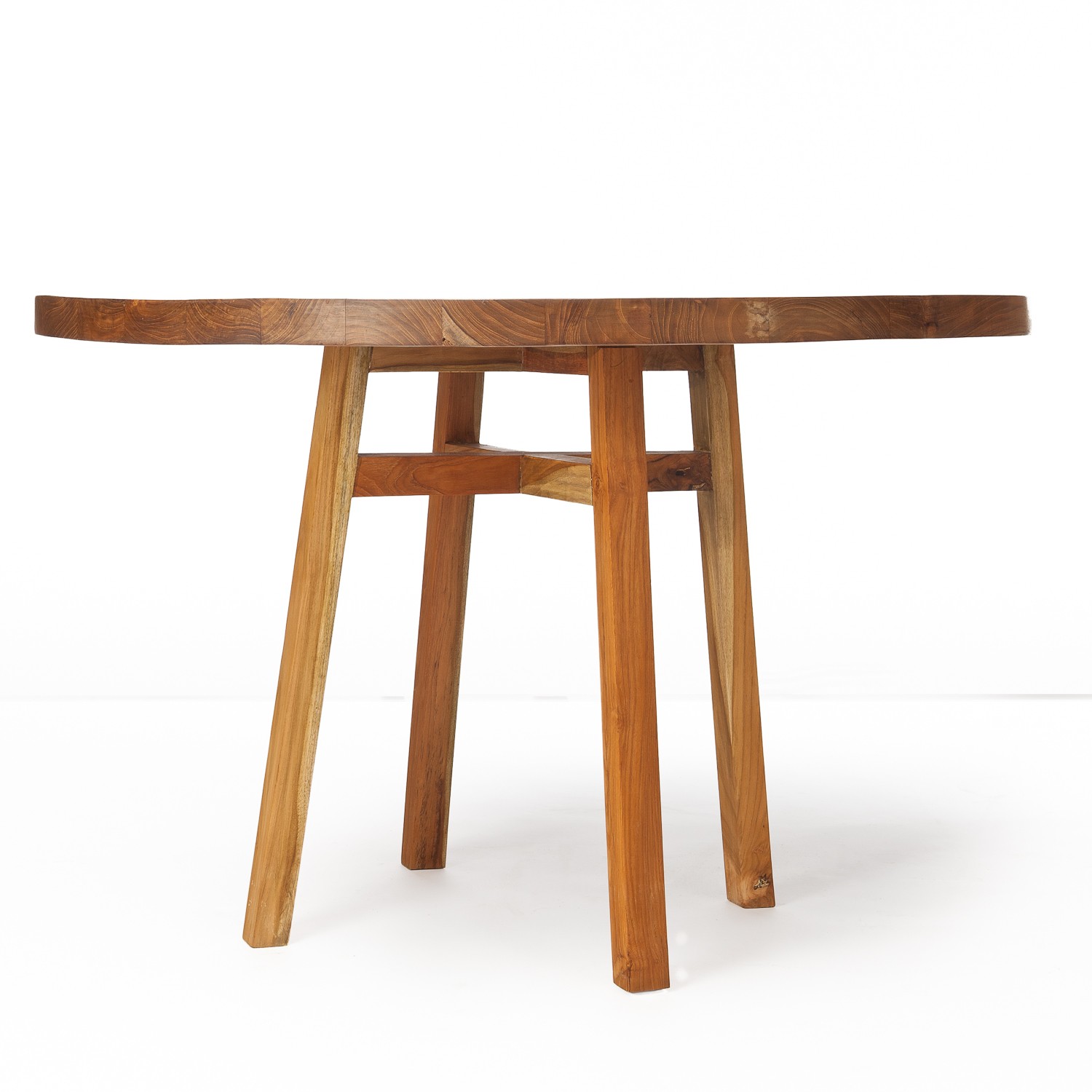
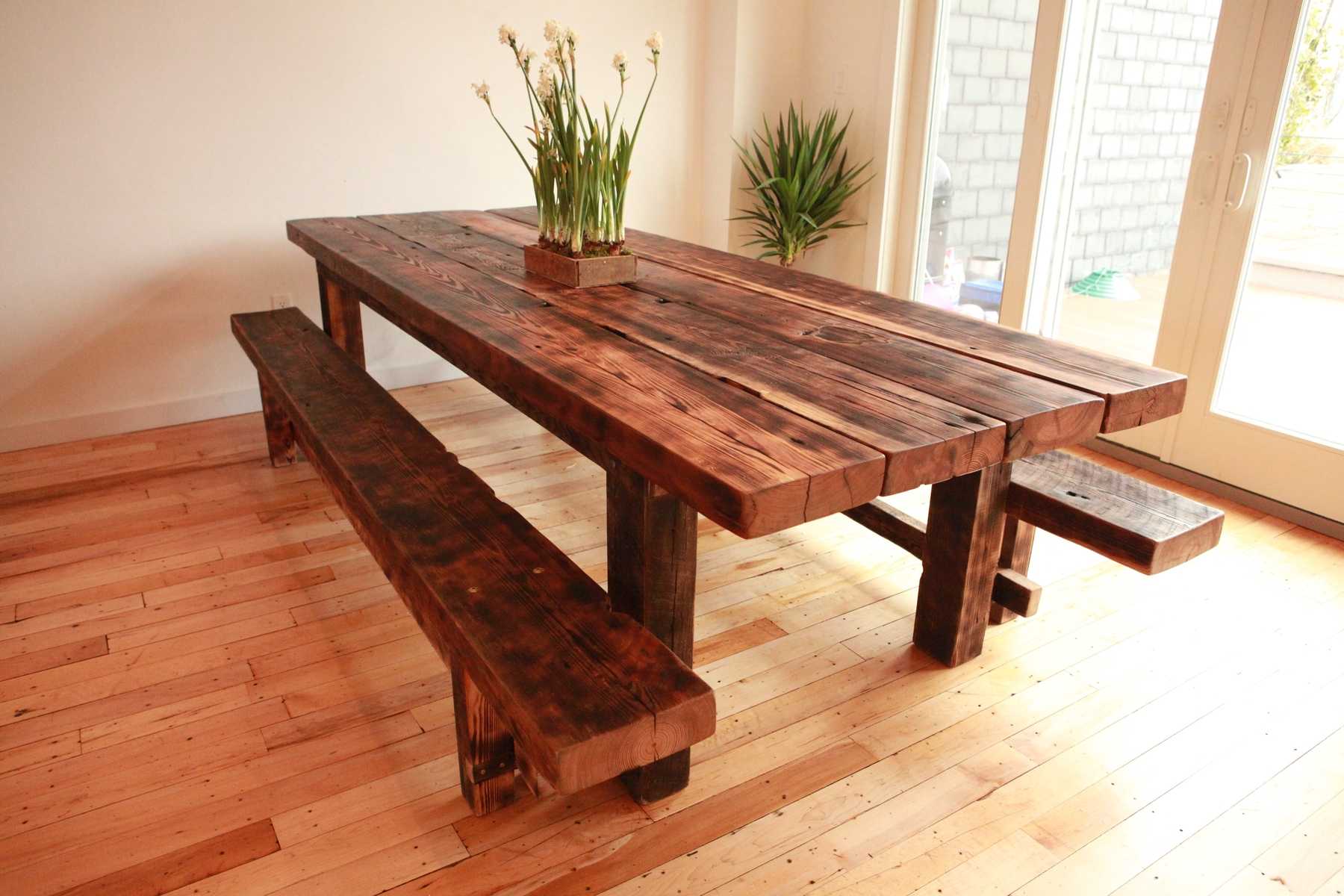
Sofa tables with hidden charging stations for modern Australian living
Picture a Sunday morning in a Brisbane apartment: coffee on the bench, phone dying on the couch, laptop balanced on a cushion. For many households, the living room has quietly become the busiest charging hub in the home, and the humble sofa table is now expected to do far more than hold a lamp and a stack of books.
A console table behind the couch with concealed power points solves a real, everyday problem. It keeps cables off the floor, tidies the visual clutter of adapters, and gives renters and owners in cities like Sydney and Melbourne a way to merge technology with interior design without resorting to bulky power strips trailing across the carpet.
Why hidden charging has become a living room must-have
Australians own more devices per household than ever before, and the average lounge room now juggles phones, e-readers, smart speakers, and occasionally a work laptop. As remote and hybrid work continues across Perth and Adelaide offices, the back of the sofa has become a secondary workstation. A side table that hides outlets, USB-A, and USB-C ports turns that awkward spot into a functional landing pad for everything that needs power.
There is also a practical safety angle. Trailing cables near foot traffic are a genuine hazard, especially in busy family homes where kids and pets weave between furniture. A built-in station routes cords through the back of the unit, keeping them out of reach and reducing the risk of trips or accidental yanks.
Smart placement for open-plan Australian homes
Open-plan living is the norm in newer builds across the Gold Coast and western Sydney, where the kitchen, dining, and lounge flow into one shared space. A sofa table positioned along the back of a modular couch acts as a subtle room divider, defining the lounge zone without breaking the airy feel. Tuck a charging station into the middle section and the table becomes a quiet command centre.
For tighter terraces in inner Melbourne or older Queenslanders with narrow hallways, slim console tables under 30cm deep can still offer hidden outlets along the rear rail. Pairing the table with a wall-mounted shelf above keeps chargers, glasses, and remotes within reach without eating into the limited floor footprint.
Materials and finishes that handle the Australian climate
Coastal humidity in places like Cairns and Hobart's cooler, damper winters can play havoc with timber. Engineered boards with sealed edges, powder-coated steel frames, and stone or terrazzo tops tend to hold up well in these conditions. For those chasing a warmer look, spotted gum or blackbutt veneers bring a recognisably Australian tone while remaining stable indoors.
When integrating a charging station, opt for finishes that disguise heat and minor scuffs. Matte laminates hide fingerprints around USB ports, while darker timbers like walnut-stained oak are forgiving when cables are plugged and unplugged daily. Avoid untreated softwoods near heating vents, as constant temperature swings can cause cracking around drilled cable entry points.
Charging tech that meets Australian safety standards
Any furniture with integrated power needs to comply with AS/NZS 3112 for plug and socket design, and reputable Australian retailers will list this clearly on product pages. Look for in-built modules with overload protection and surge guards, which protect both devices and the furniture itself from the kind of voltage spikes that occasionally hit older suburban grids in regional Victoria.
USB-C Power Delivery ports are worth prioritising. They charge modern phones and tablets faster, and they future-proof the table as more households shift away from older USB-A cables. A mix of one or two USB-C ports alongside a wireless Qi pad on the top surface covers almost every daily device a household reaches for.
Styling without cable clutter
The whole point of a hidden charging table is that nothing on top should look technical. A shallow tray corrals keys and coins, a small ceramic vessel hides a power brick, and a single low-maintenance plant like a pothos softens the line of the rear cable channel. Decorative objects should be kept low so the eye reads the table as a styling moment rather than a tech hub.
If you are working with a narrower console, leaning a framed print or mirror against the wall above draws attention upward. This styling guide for a sofa table with mirror walks through how to layer reflective surfaces, art, and greenery to keep the table looking curated even with cables running behind it.
Storage tricks for a calmer console
Drawers with felt-lined interiors are perfect for hiding charging bricks, spare cables, and travel adapters. A lower shelf with woven baskets can swallow bulkier items like a power bank or a small speaker, while still leaving the top surface clean. Some newer designs even include a false back panel that lifts off for easy access to the wiring inside.
For renters worried about making modifications, freestanding tables with rear cable channels and clamp-on power strips are a solid workaround. They leave walls untouched and can move with you when the lease ends, which matters in cities like Sydney where rental churn is high and bond inspections are strict.
Comparing popular sofa table styles with built-in charging
| Style | Typical depth | Charging features | Best room setting | Cable management |
|---|---|---|---|---|
| Slim console | 25–30 cm | USB-A, USB-C, wireless pad | Narrow terrace, studio apartment | Rear channel, false back |
| Storage console | 35–45 cm | USB ports in drawer, surge-protected outlet | Family lounge, media room | Internal drawer wiring |
| Industrial frame | 40–50 cm | Clamp-on strip, exposed conduit | Warehouse conversion, loft | Open metal frame routing |
| Mid-century lowline | 30–40 cm | Single Qi pad, USB-C port | Retro-renovated Queenslander | Recessed rear groove |
| Modular sectional back | 45–60 cm | Full power module, multiple USB-C | Open-plan new build | Concealed internal trunking |
For tailored advice on choosing a style that suits your space, the team is happy to help via the contact page, where you can share photos and room dimensions for a more specific recommendation.