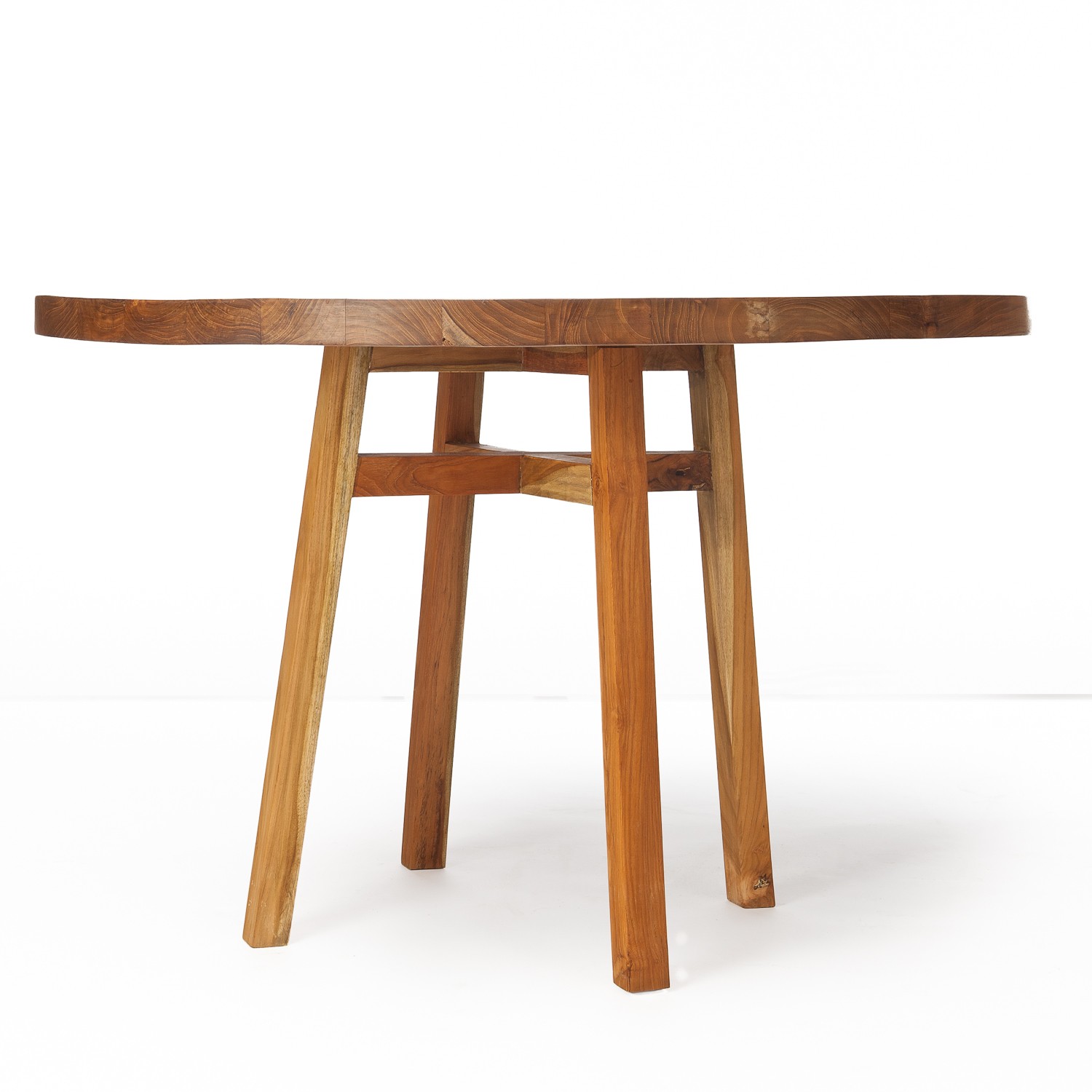
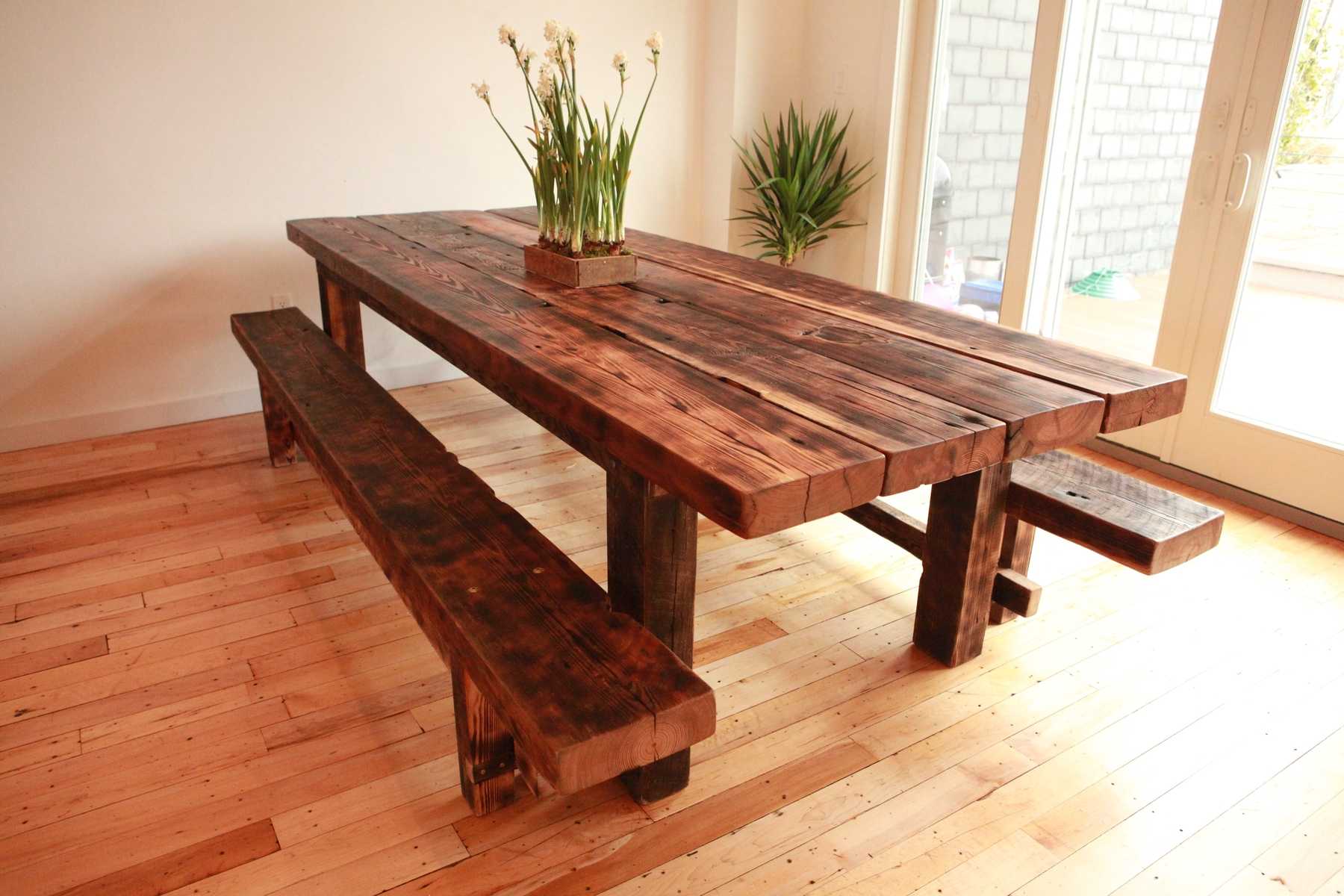
Turning a broken dresser into a stylish sofa table
A battered old dresser sitting by the kerb during a Sydney hard-waste collection might look like rubbish, but for many homeowners it represents a weekend project waiting to happen. Sofa tables remain a staple of compact living rooms, particularly in inner-city terraces and apartments where floor space is tight. Turning a broken dresser into one offers a budget-friendly alternative to buying new, and the result carries more character than anything flat-packed.
The appeal goes beyond cost. Australia has developed a strong culture of reuse, with community groups, op shops and online marketplaces making second-hand furniture widely accessible. Repurposing a damaged piece keeps timber out of landfill and sidesteps the environmental footprint of manufacturing new joinery. It also lets renovators match the table precisely to the proportions of their lounge, hallway or entryway.
Working on a piece with sentimental value can be equally rewarding. A family heirloom with a split drawer front or a water-stained top can be cut down, reshaped and given a new life behind the sofa. The transformation requires only basic tools, a free weekend and a willingness to work slowly through each stage.
Before reaching for the saw, it helps to think through the final look, the room where the table will live, and how it will be used day to day. The following sections walk through that process from inspection to finishing.
Assessing the dresser
Begin by examining the piece on a flat surface, ideally outdoors or in a garage where sawdust will not matter. Check the drawers, runners and joints for rot, particularly if the dresser has been stored in a coastal garage exposed to salt-laden air. Common Australian conditions such as high humidity in Brisbane summers or dry heat in Adelaide can warp timber and loosen glue lines, so a close look at the carcass will save frustration later. Pieces with solid hardwood frames, even if the top is damaged, usually respond well to repurposing.
Measure the height, depth and width of the dresser and compare these with the spot behind the sofa or along the entry hall. A typical sofa table sits between 75 and 85 centimetres high and around 30 centimetres deep, so some trimming is usually necessary. Plan the cuts before tools come out.
Disassembly and material choices
Removing the drawers, runners and back panel exposes the internal frame and makes the next steps far easier. A pry bar, mallet and cordless drill cover the job, and these are readily available at Bunnings or any local hardware store. Photograph each stage so the rebuild follows a clear sequence and screws do not get lost in the grass.
Choosing the finish matters as much as the build itself. Australian interiors lean towards coastal whites, warm oak tones, matte blacks and deep eucalyptus greens, all of which suit a slim sofa table. Hardwax oils offer a forgiving, low-sheen look that highlights the grain, while chalk paint provides a soft, vintage feel that suits weatherboard homes in suburbs like Newtown or Fremantle. For those exploring coffee tables alongside the sofa table build, similar finishes keep the living zone visually cohesive.
Cutting, joining and assembling
With the carcass stripped, trim the sides to the planned depth using a circular saw or jigsaw. A straight edge clamped across the timber keeps the cut clean, and light sanding with 120-grit paper removes splinters. Reinforce the joints with timber screws and wood glue, paying attention to corners where original dovetails may have loosened over decades of seasonal movement. Adding a stretcher between the legs gives furniture-grade rigidity.
A sofa table often benefits from a small lip along the back edge, which prevents items rolling onto the floor. A reclaimed floorboard, offcut from a renovation site or a piece of hoop pine plywood, makes an excellent new top if the original surface is beyond saving. Fix the top with figure-eight fasteners so the timber can expand and contract through the year without splitting.
Finishing, hardware and final details
Once the structure feels right, sand the entire piece through 120, 180 and 240 grit for a surface that takes paint or oil evenly. Wipe down with a lint-free cloth and a tack rag to remove dust, then apply the chosen finish in thin coats, allowing each to dry fully. Two coats of hardwax oil or three coats of chalk paint, lightly sanded between layers, usually achieve a refined result.
Handles and knobs can be repurposed from the original drawers, or swapped for new brass or matte black pulls that reflect current Australian interior trends. Felt pads on the base protect timber floors and stop the table from shifting when used as a drinks station. Allow the finished piece to cure for 48 hours before placing anything heavy on the surface.
Styling and placement
A finished sofa table earns its keep by holding a lamp, a stack of books, a tray for keys and the occasional cup of tea. In open layouts common to Queenslanders and California bungalows, placing the table behind the sofa creates a soft divider between the lounge and the dining zone. A round mirror above the table bounces light into darker corners, while a slender vase of eucalyptus ties the piece to the Australian landscape outside.
For those wanting additional inspiration across related table styles and finishes, the full sitemap provides an easy starting point. Regular maintenance, a quick wipe with a damp cloth and an annual re-coat of oil, will keep the upcycled table looking sharp for many years to come.