Keeping teak patio tables golden in Australian conditions
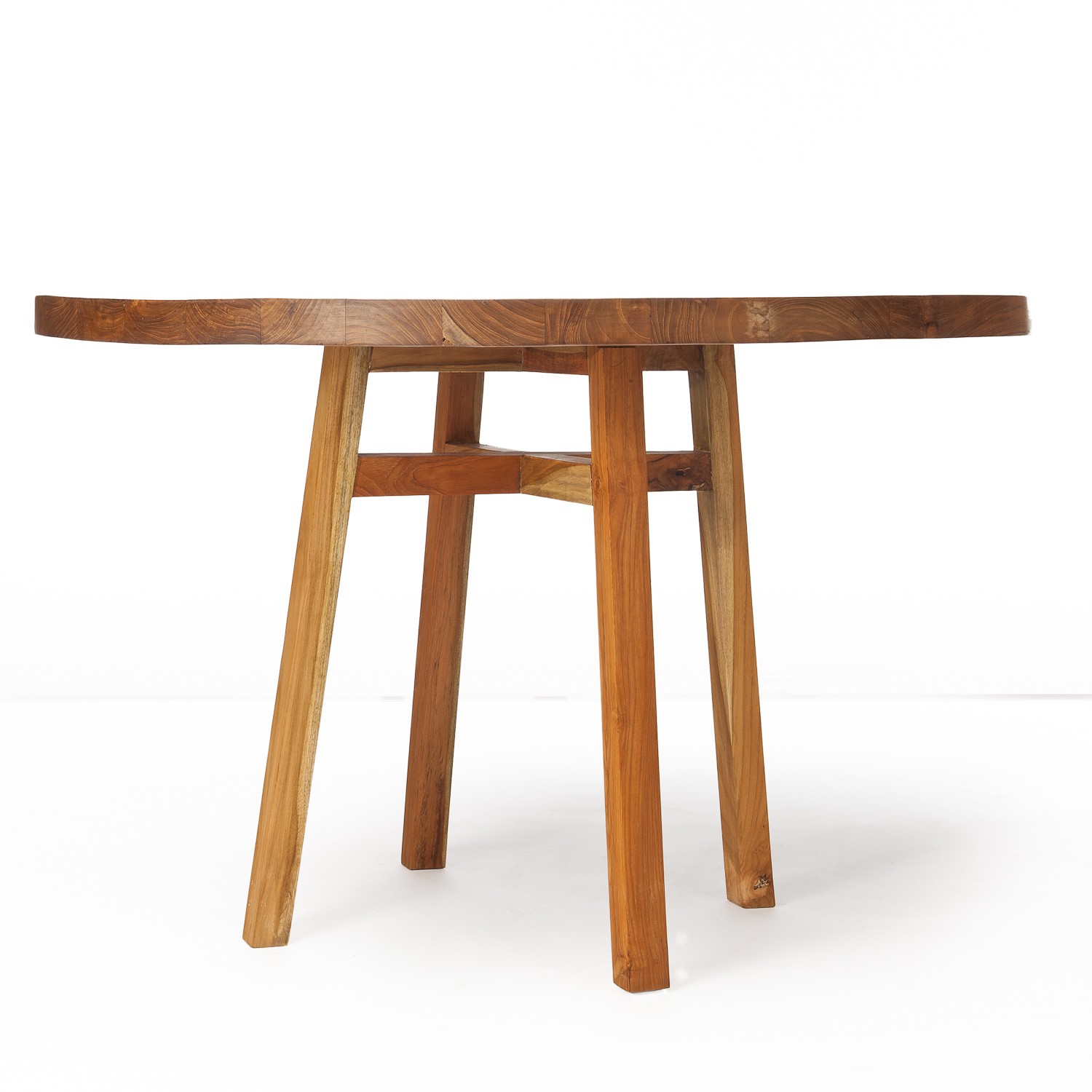
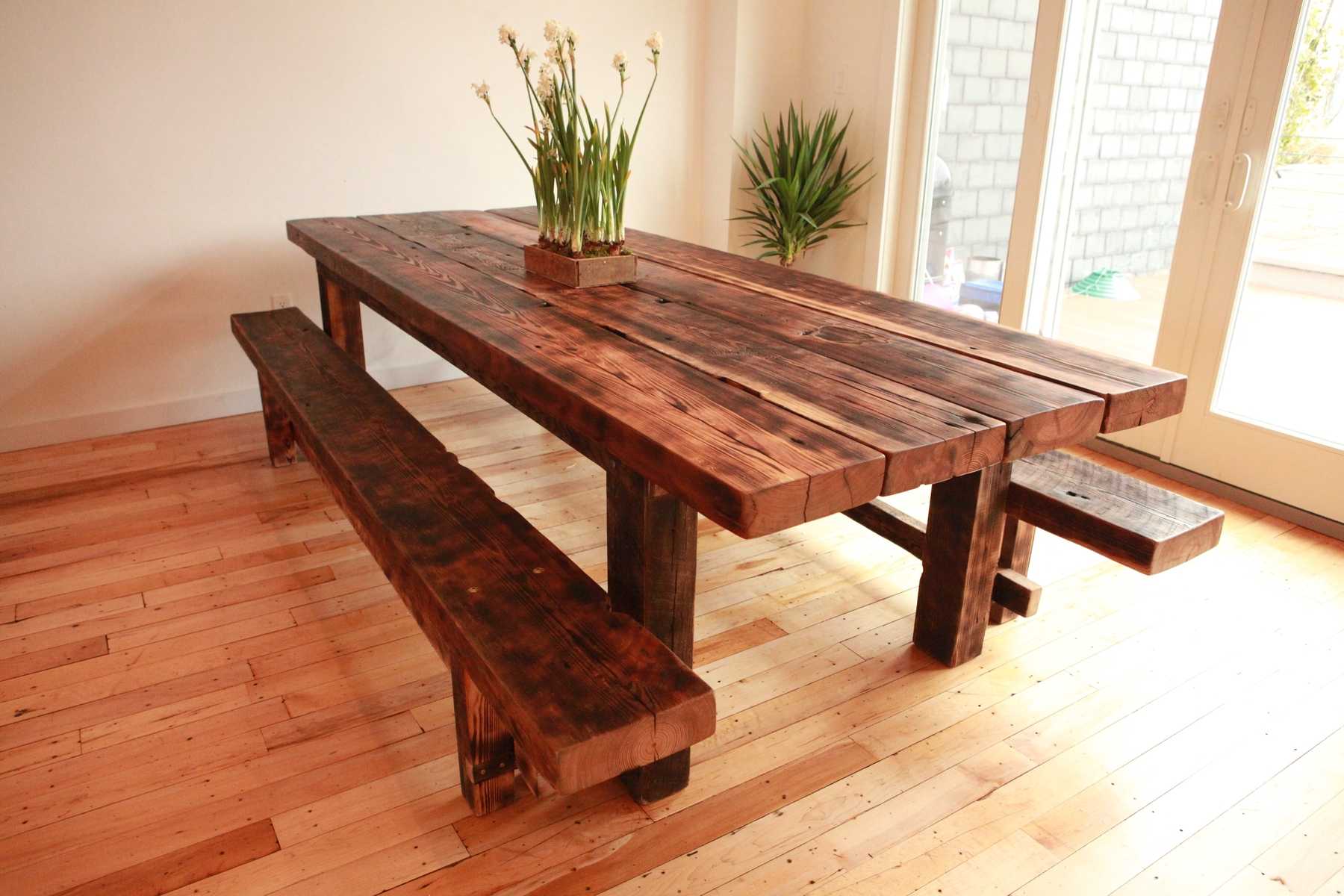
Teak patio tables suit Australian outdoor spaces because they tolerate humidity, rain and frequent use while retaining a handsome grain. Their honey-gold colour complements timber decking, coastal courtyards and the relaxed style of many modern backyards. The aim is not to stop natural ageing, but to slow changes that make the surface dull or uneven.
Outdoor furniture often becomes an extension of the house in summer, so a table may collect barbecue sauce, sunscreen, pollen and dust. Sydney and Brisbane bring bright ultraviolet light and humid air, while Melbourne’s changeable weather means a damp winter surface needs extra drying before oil or sealer is applied.
Cleaning is the foundation of good teak care, but aggressive scrubbing can remove the softened outer layer and leave rough grain. Mild soap, lukewarm water and a soft brush usually handle routine cleaning. Strong acids, bleach, steel wool and high-pressure water should be kept away from the surface.
A consistent schedule is easier than restoring neglected furniture. Australian households can protect a table with simple habits: wiping spills promptly, rinsing salt or chlorine, and oiling clean, dry timber before summer. These steps preserve colour while keeping the table practical outdoors.
Why teak changes colour
Teak contains natural oils that resist moisture, but sunlight and air gradually draw colour from the surface. Untreated teak develops a silver-grey patina. Caring for teak patio tables to maintain their golden appearance means managing the finish, not preventing the timber from ageing.
The change is cosmetic rather than a sign that the table has failed. Cleaning may reveal a warmer tone beneath grime, yet ultraviolet bleaching cannot be reversed permanently. In the Australian retail market, buyers can review teak outdoor options and ask retailers how the finish is maintained.
Remove dirt with a gentle wash
Work in shade on a surface that drains well. Sweep away leaves and grit with a soft brush, apply diluted mild detergent, then rinse with lukewarm water and dry with a clean cloth. Let the timber cool and lose moisture before moving or treating it.
Wash more often where trees shed pollen or the table sits beside a busy barbecue. Prompt removal of sticky spills prevents staining and avoids the need for harsher chemicals. Never leave a wet cover pressed against the wood, since trapped moisture encourages mildew.
Choose cleaners and tools carefully
A nylon brush, non-abrasive pad, mild marine-safe detergent and microfibre cloths cover most jobs. Proprietary teak cleaners may help remove stubborn black spots, so follow the label and test a small area first. Owners comparing products can check care information in the website sitemap before buying.
Pressure washers can force water into joints and strip softened fibres. Avoid sandpaper, wire wool and household bleach unless a specialist product specifically directs their use. Rinse cleaning residue thoroughly, because alkaline and oily films can interfere with later finishing.
Refresh the golden tone with oil
Teak oil or a UV-protected outdoor timber treatment replenishes the warm colour and helps slow moisture movement. It is a cosmetic enhancement: once sunlight has bleached the surface deeply, repeated oiling will not restore factory colour permanently. Apply only after the table is completely clean and dry.
Use a brush or cloth to spread a thin coat, following the grain. Wipe off excess, allow the surface to cure according to the product directions, and use a second coat only if required. Generic linseed oils and interior varnishes can darken teak unevenly or trap moisture, so choose a product labelled for exterior teak.
Reduce damage from sun and daily use
Place the table where it receives useful shade without being permanently damp. A good outdoor cover or pergola reduces ultraviolet exposure, but ventilate covered furniture regularly. Rotate movable pieces occasionally so one side does not fade much faster than the others.
Use trivets, placemats and coasters to prevent heat rings, scratches and chemical stains. Teak can withstand Australian summer temperatures, but glass, metal candleholders and hot cookware should not remain in direct contact with the finish. Wipe sunscreen and oily food residue before they set.
Handle salt, chlorine and harsh weather
Coastal properties need frequent rinsing because salt can dull the finish and encourage corrosion around metal fittings. Perth’s dry heat and sea air, Adelaide’s strong sun and nearby coastal conditions, and humid Queensland yards each call for slightly different timing. Rinse more often near the ocean and dry the underside too.
Pool water and bird droppings deserve special attention. Chlorinated splashes can discolour both wood and hardware, while droppings are highly acidic. Wipe them promptly and rinse with clean water. After bushfire smoke passes, gently wash away settled soot once the area is safe.
Build a seasonal maintenance routine
Brush the table weekly during heavy use, wash it every few months, and inspect hardware for looseness or rust. Check the colour after summer; an even golden tone usually needs refreshing every six to twelve months, while severe exposure may require more frequent treatment. Reapply a UV sealer only when its instructions recommend it.
Small outdoor rooms benefit from adaptable layouts, and the nesting tables guide shows how compact tables can support larger gatherings. Whatever the arrangement, store or cover the furniture only when it is dry. A clean, lightly oiled table will retain the warmth that made teak a favourite choice for Australian patios.