A Homework Station at the Sofa Table
A sofa table can become a useful homework station without turning the family’s lounge room into a full office. Positioned beside the sofa or temporarily aligned with it, a slim surface gives a child somewhere dedicated for a laptop, reading folder, and pencil case while keeping adult conversation nearby.
The arrangement works best when it supports real school routines rather than simply looking studious. Measure the available space, protect the timber from spills and sunlight, and plan a short session that ends with everything returned to one caddy. A little structure makes the station practical for daily use.
Find the Right Work Surface
Not every table sold as a sofa table is deep enough for A4 paper, and many sit below a comfortable writing height. For sustained homework, look for a clear writing area roughly 100–120 cm wide and at least 30–40 cm deep, with a height near 72–76 cm. A child can perch on the sofa for brief laptop tasks, but a supportive chair or cushion is better for longer sessions.
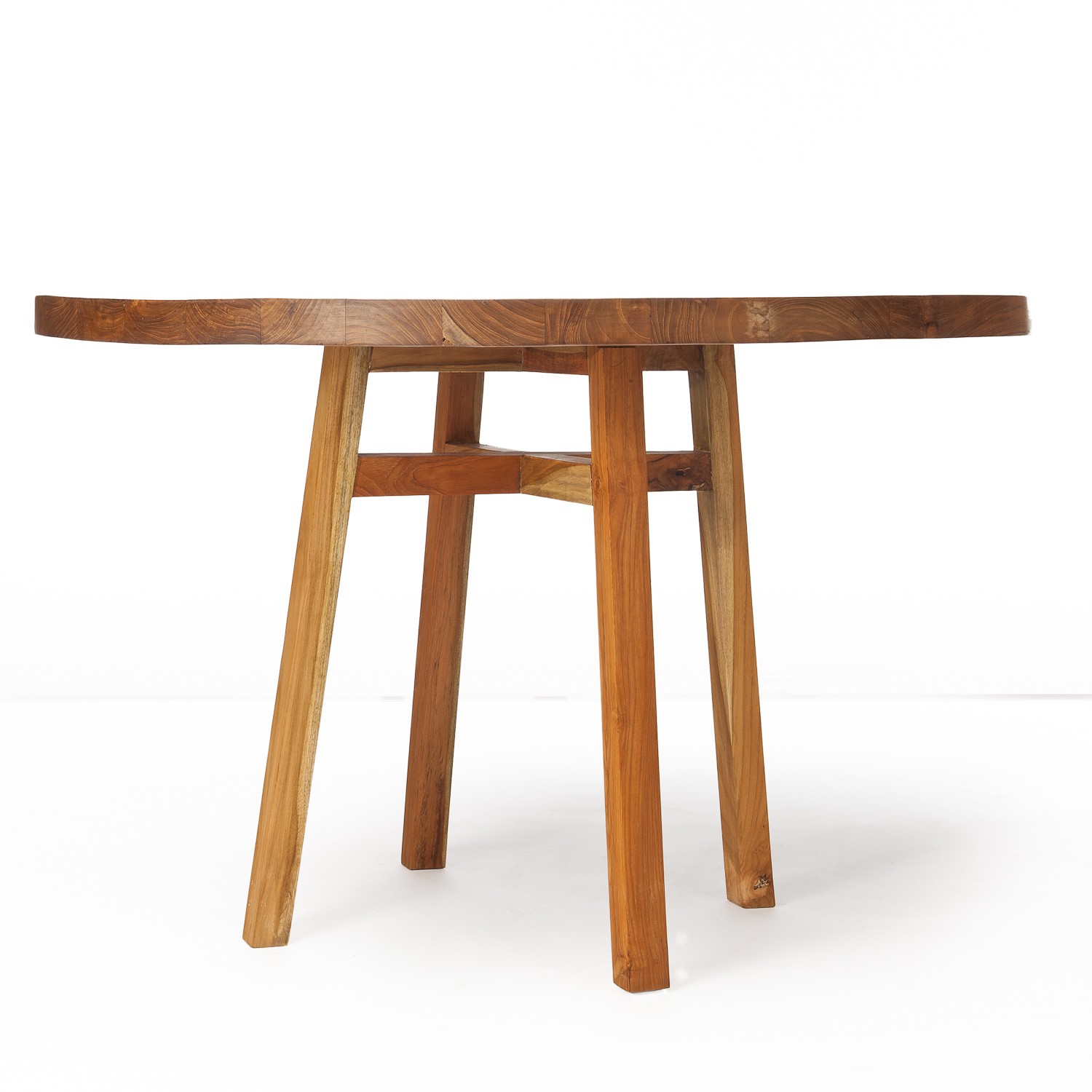
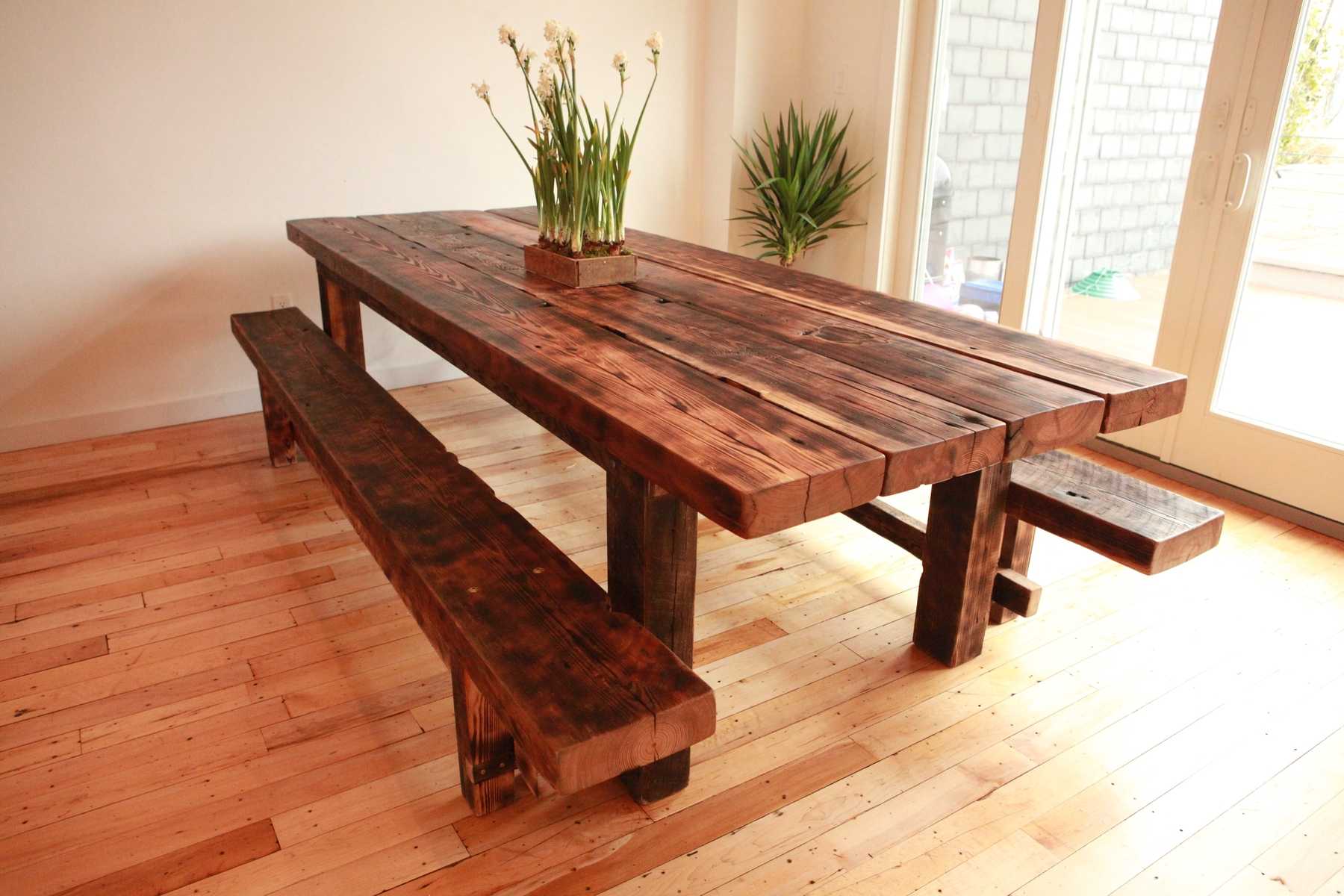
Check knee and elbow clearance before buying, especially if the table sits directly behind the sofa. Where the standard design is too shallow, comparing dining table ideas can help reveal useful proportions before adapting the scale to the lounge. If modification is easier than replacement, add a narrow timber top to a sturdy console and round or soften exposed corners.
Fit the Australian Living Room
Sydney apartments and Melbourne terraces often make every square metre count, while many Australian homes have an open-plan lounge that doubles as a study area. Keep the station visually quiet so it blends with daily life, and avoid blocking walkways between the sofa, kitchen, and back patio. If another occasional surface is needed, coffee table designs offer lift-top and nesting options worth comparing.
Take local conditions seriously. A west-facing room in Brisbane can become hot and strongly lit, while Melbourne’s changeable daylight still reaches low afternoon sun. Position the table away from harsh beams and use a blind or UV-filtered shade to reduce glare and fading on a pale timber top.
Electrical access matters too. If the nearest double socket is across the room, an extension lead can become a trip hazard or be overloaded, so have an electrician add a suitable outlet where feasible. Keep drinks on a separate coaster and leave enough space for a school bag, lunchbox, and water bottle without crowding the work zone.
Build in Study Comfort
Comfort determines whether the station gets used. A sofa back is not a desk back, so a child doing more than quick reading needs a supportive chair, a footrest if their feet do not reach the floor, and a light that falls from the side rather than creating screen glare.
Set up the area with familiar school-day items: a reading folder, exercise book, pencil case, laptop, and headphones. A simple timer for 25-minute work blocks and five-minute breaks can be more useful than a complicated productivity system, while a small tray gives wrist and pencil items a fixed home.
Encourage the student to bring only the current task to the table. A phone can remain switched off in another room, while noise-cancelling headphones keep the shared lounge calmer. Children who become tired or fidgety may benefit from shorter sessions, with demanding writing completed at a proper desk at school.
Keep Supplies and Screens Organised
Storage should be close enough to be convenient but light enough that the table does not become cluttered. A divided caddy, shallow drawer, or lidded box can hold stationery, sticky notes, and charging cables. Many Australian families find these at Bunnings, while IKEA Australia and local online retailers offer compact flat-pack organisers suited to smaller homes.
Use cable clips along the rear edge and route the charger away from the child’s writing area. Configure screen-time settings, parental controls, and browser notifications before the first study block, rather than turning them into a negotiation once work has begun.
Distractions also deserve firm boundaries. In Australian speech, “pokies” means slot machines, including mobile slot games, so family rules about gaming should cover them explicitly. The discussion of pokies time myths is a useful reminder that distraction habits cannot be reduced to a tidy theory about time of day.
Design for Shared Family Use
The best station can expand and reset. A parent may need it for a form-filling session, an older child for assignments, and the sofa area for weekend board games. Folding trays, removable organisers, and a clear surface let each user reclaim the space without rebuilding the setup.
Choose finishes that can handle Australian life: wipeable lacquer, a durable stain-resistant coating, or a rug beneath delicate timber. Tighten fittings regularly, keep sharp tools capped, and set a rule that drinks and snacks stay outside the work zone. Visitors can still use the sofa, while homework has a recognisable place and a simple end to the day.