Designing a compact home bar with a side table
A full-size drinks cabinet can consume valuable floor space, especially in an apartment, townhouse or small open-plan living room. A well-chosen side table offers a simpler solution: it can hold bottles, glassware and bar tools while still working as an everyday piece of furniture.
The best compact bar feels integrated rather than temporary. Place it beside a sofa, near the dining area or against an unused wall, then give it a clear visual identity with a tray, artwork, lamp or carefully arranged collection of accessories.
Australian homes often need flexible furniture. A Melbourne terrace, Sydney apartment and Brisbane unit may all have different layouts, but each can benefit from a small entertaining station that is easy to move, clean and store when guests arrive.
Safety and practicality matter as much as appearance. Stable construction, sensible storage and awareness of local strata rules will help create a bar that suits regular entertaining without making the room feel crowded.
Choose the right side table shape
A rectangular side table is useful beside a sofa because it provides a longer surface for a tray and two or three glasses. Look for a width of roughly 45 to 70 centimetres, depending on the available walkway. A round table softens a tight corner and reduces sharp edges in busy living areas.
Tiered designs create extra storage without increasing the footprint. The upper level can hold a drinks tray, while the lower shelf stores bottles, napkins and a small ice bucket. A drawer is useful for bottle openers, coasters and cocktail picks, keeping small items out of sight.
Avoid very lightweight nesting tables if they wobble when a bottle is opened. A broad base, solid timber legs or a metal frame with adjustable feet will provide better stability, particularly on uneven timber flooring or tiled apartment surfaces.
Plan storage around your routine
Start with the drinks and equipment you actually use. A compact arrangement may need space for wine, beer, spirits, mixers, tumblers, wine glasses and a shaker. Storing every bottle on display can make a small room look cluttered, so keep only attractive or frequently used items visible.
Use a handled tray to group bottles and glassware. It protects the tabletop from condensation and allows the whole setup to be moved before cleaning or entertaining. Felt pads, washable coasters and a silicone-lined tray are helpful in humid coastal areas such as Brisbane or Darwin.
For a narrow table, vertical storage can be more effective than extra width. A wall-mounted stemware rack or slim shelf above the table frees the surface, although renters should check permission requirements before drilling. In a rental, adhesive hooks and a freestanding wine rack provide less permanent alternatives.
Match materials to Australian homes
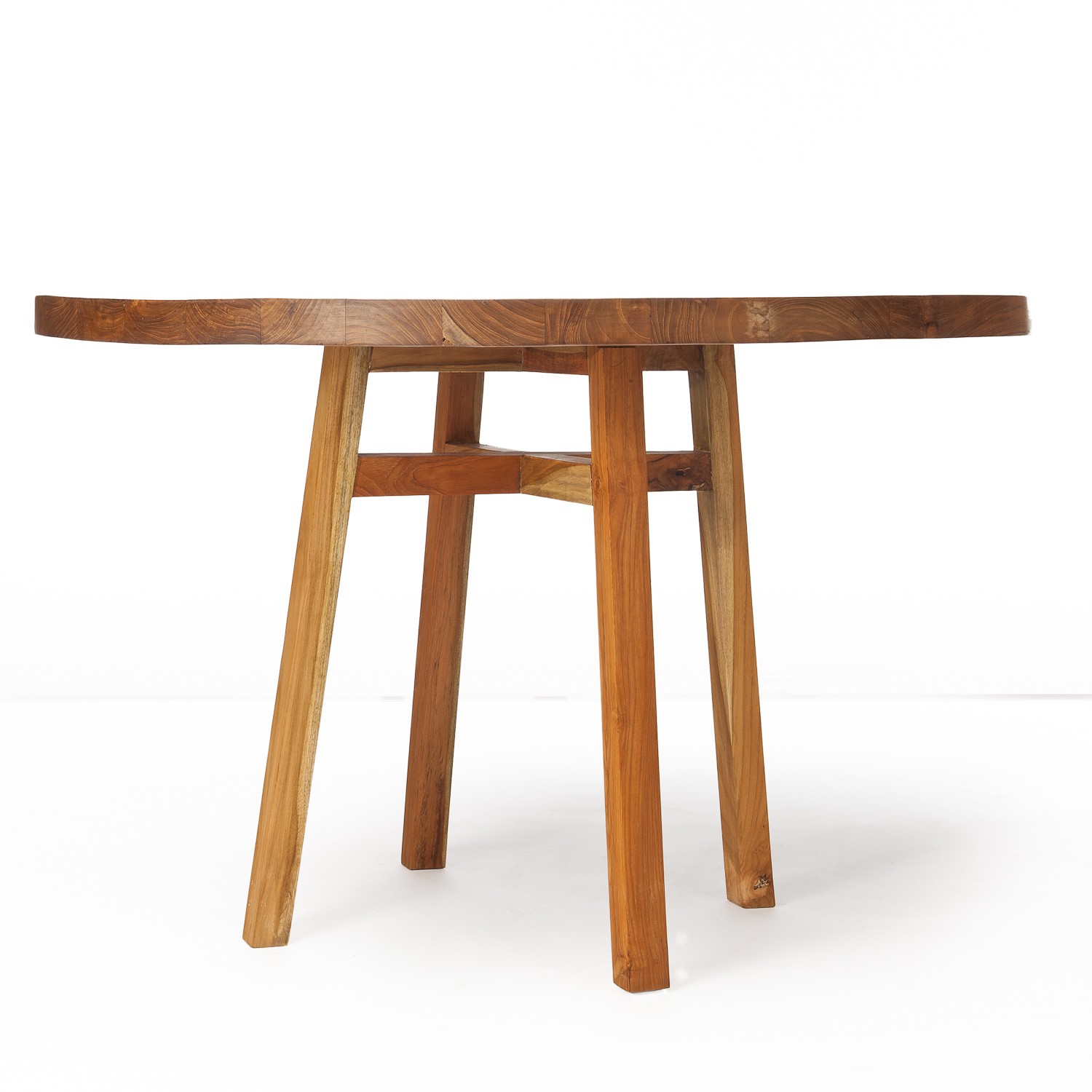
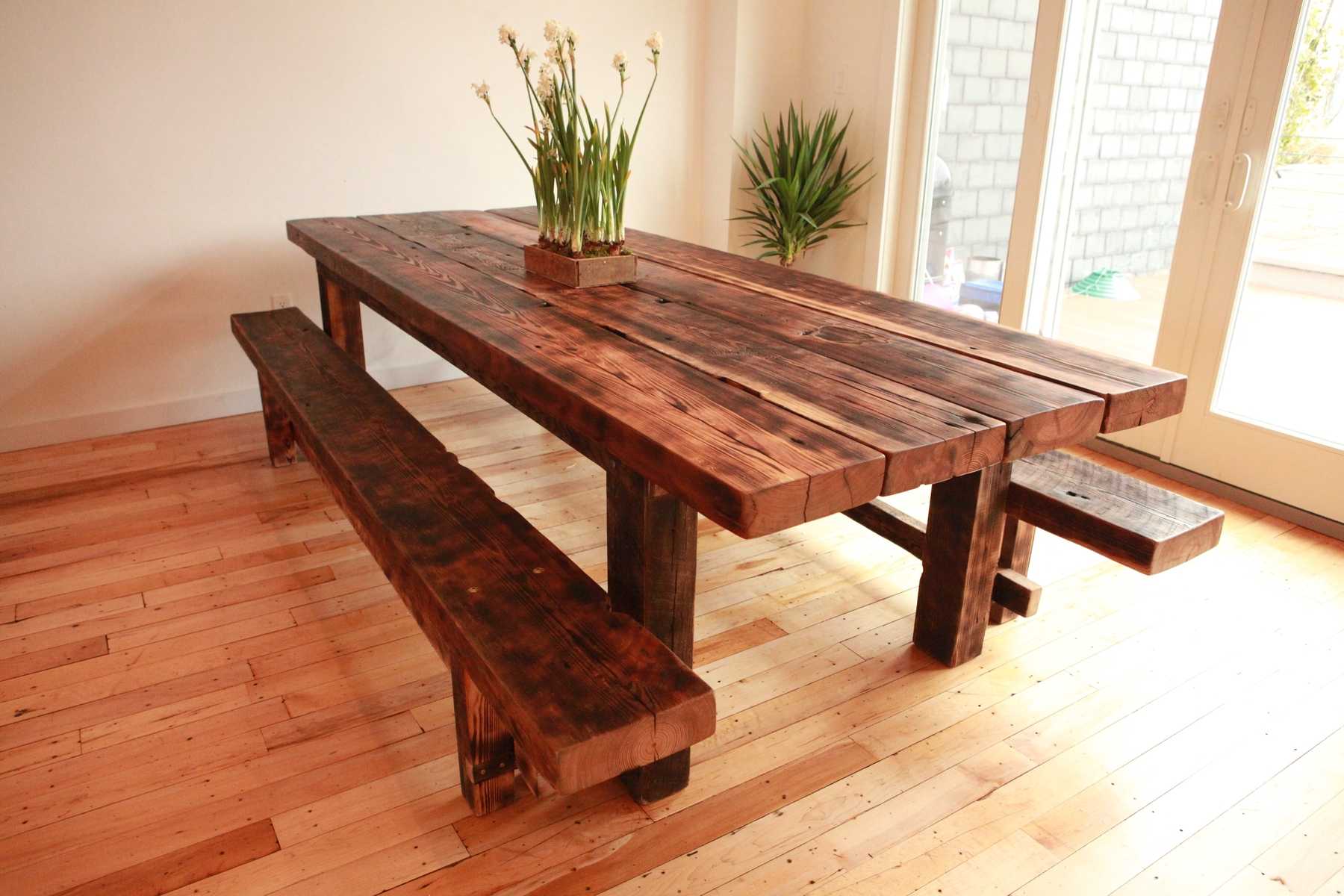
Timber gives a side table a warm, furniture-like appearance and works well with Australian coastal, Scandinavian and mid-century interiors. Choose sealed timber or a durable veneer so occasional spills do not leave marks. Reclaimed hardwood can add character, but its surface should be smooth and free from unstable joins.
Powder-coated steel, powder-coated aluminium and glass suit contemporary apartments. Powder coating is preferable to untreated metal in coastal locations, where salt air can encourage corrosion. Glass visually reduces bulk, though it needs regular cleaning and may be unsuitable where children or pets could knock into it.
For a relaxed outdoor entertaining area, use a table specifically rated for exterior conditions rather than moving an indoor piece onto a balcony. Sydney and Perth balconies can receive strong sun, while Queensland humidity can affect unsealed materials. Always follow building or strata rules about balcony furniture, weight and appearance.
Create a considered display
A stylish bar needs a focal point. Place the best-looking bottle, a ceramic jug or a small vase at the back, then arrange shorter glasses and tools in front. Keeping some height variation makes the display feel deliberate without requiring numerous decorative objects.
Lighting can turn a side table into a feature after dark. A rechargeable lamp avoids trailing cords, while a warm globe or small wall light creates a welcoming mood. Keep electrical leads away from spills and use products approved for Australian electrical conditions rather than importing unverified appliances.
Colour is another easy way to connect the bar with the room. Repeat a tone from a rug, cushion or artwork through the tray, glassware or table finish. Brass details suit warmer interiors, black metal feels contemporary, and pale timber can make a compact apartment look lighter.
Add flexible features for entertaining
A table with a shelf, cabinet or lift-off tray can support different uses throughout the week. It may hold books and a lamp during the day, then become a drinks station when guests arrive. Lockable storage is worth considering if children visit regularly or if valuable spirits are kept at home.
A small bar cart is an alternative when mobility matters. It can be rolled away from a passage, moved near an outdoor dining area or stored beside a kitchen island. However, a fixed side table usually has a smaller visual footprint and is less likely to be treated as an obstacle.
In Australia, private home entertaining generally does not require a liquor licence when alcohol is provided for personal use. Rules change if alcohol is sold, included in a ticketed event or supplied as part of a business, so state or territory liquor authorities should be checked before hosting commercial functions. Never provide alcohol to anyone under 18.
Compare practical side table options
The right option depends on whether the priority is storage, mobility, appearance or resistance to everyday wear. Local retailers such as Bunnings, homewares stores, vintage markets and Australian furniture brands offer a wide range of sizes, making it possible to find a useful piece without commissioning a custom cabinet.
Measure the table, nearby seating and walking route together. Allow enough clearance to open a drawer, lift a bottle and pass safely. A compact bar should support conversation rather than narrow the main path through the living room.
| Side table style | Best use | Strengths | Points to check |
|---|---|---|---|
| Two-tier timber table | Living room beside a sofa | Warm appearance and open storage | Seal against spills and check shelf weight |
| Round metal table | Small apartment corner | Soft profile and easy movement | Look for a stable base and rust-resistant finish |
| Cabinet side table | Neat, child-aware storage | Hides bottles and bar tools | Confirm door clearance and ventilation |
| Glass-and-metal table | Contemporary interiors | Visually light and easy to style | Requires frequent cleaning and careful placement |
| Wheeled bar table | Flexible entertaining | Can move between rooms or outdoors | Use locking casters and avoid uneven surfaces |
Finish the setting with a washable runner, a reliable bottle opener and only the glassware needed for the occasion. When the proportions are right, a modest side table becomes a practical home bar while retaining its original role as useful furniture.