Mixing Light and Dark Wood Side Tables With Confidence
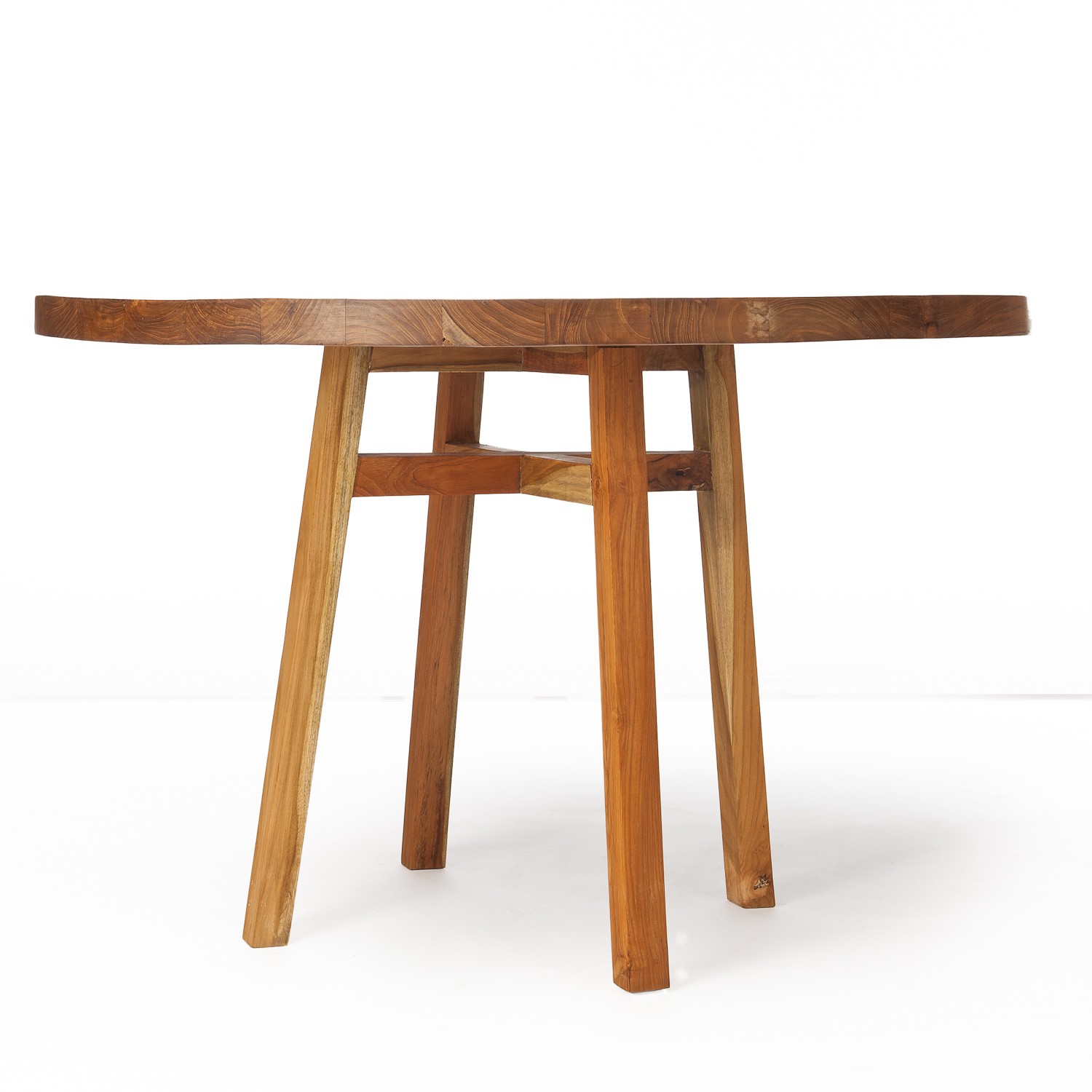
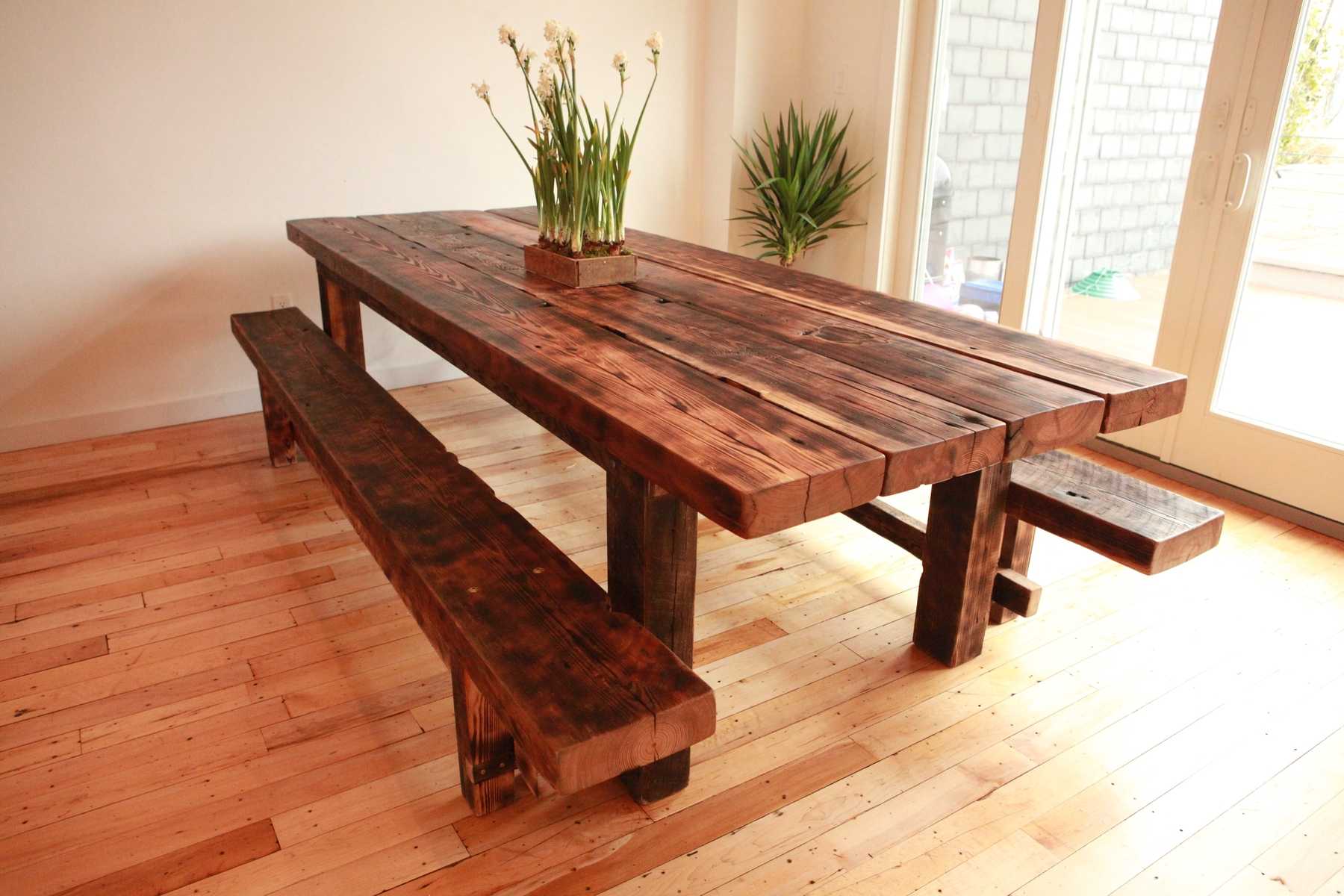
Mixing light and dark wood side tables gives a room depth, warmth and a collected feel. Rather than matching every timber finish, the aim is to create a relationship between pieces through shape, scale, grain and surrounding colours.
This approach suits Australian homes particularly well, from compact Sydney apartments to relaxed Brisbane living rooms and character homes in Melbourne. With a few practical decisions, different wooden tones can look intentional instead of mismatched.
Start With A Clear Visual Anchor
Choose one dominant timber finish before adding a contrasting side table. A pale oak coffee table, for example, can establish an airy foundation while a walnut or dark stained side table adds weight beside the sofa.
The larger item usually works best as the anchor because it occupies more visual space. If the room already contains a dark timber floor or media console, a lighter occasional table can prevent the scheme from feeling heavy.
Repeat Each Timber More Than Once
A single dark side table may appear accidental if its finish is not echoed elsewhere. Repeat the darker wood through a picture frame, lamp base, dining chair, shelf or decorative bowl. The same principle applies to pale timber.
The repetitions do not need to be exact matches. A honey-toned Tasmanian oak table and a lighter ash frame can sit comfortably together when their warm undertones are similar. Aim for a family resemblance rather than a showroom suite.
Balance Warm And Cool Undertones
Wood colour is only part of the equation. Some pale timbers have pink or golden undertones, while dark stains can lean red, neutral or almost charcoal. Place samples near the sofa and observe them in both daylight and artificial light.
This matters in Australian rooms with strong northern sun, especially in Melbourne or Adelaide. A finish that looks soft in a shop may become noticeably yellow beside a bright window. Linen upholstery, black accents and muted green or terracotta can help bridge contrasting timber colours.
Use Shape To Connect Different Finishes
Matching silhouettes is unnecessary when the tables share a design detail. Two tables may have rounded corners, tapered legs, a slatted shelf or a similar circular top. These repeated forms create unity while the wood tones remain distinct.
For a long sofa, try a pale table at one end and a dark table at the other, keeping their heights within a practical range. In a smaller apartment, a nesting pair can provide contrast without taking up the full footprint of two separate pieces.
Consider Storage And Daily Movement
A side table needs to work around real habits: a coffee beside the sofa, a book near the bed or a place to set a phone when entertaining. Dark timber often disguises marks, while pale finishes can make dust and scratches easier to notice.
Homes with young children need extra attention to rounded edges, stable bases and accessible storage. If your furniture planning extends to nursery use, these changing table ideas can help you think about height, reach and clutter control without treating every timber piece as purely decorative.
Shop Locally And Check The Details
Australian buyers can find mixed-wood pieces through furniture chains, independent makers, vintage stores, markets and second-hand platforms such as Gumtree. Reclaimed hardwood can bring useful character, although check for odour, borer damage, loose joints and uneven feet before bringing it indoors.
In Brisbane and coastal areas, humidity and salt air make a durable finish especially valuable. Ask whether the timber is sealed and what care products are suitable. The Australian Consumer Law applies to products sold by businesses, so keep receipts and understand your rights if a new table is faulty or significantly different from its description.
Make The Combination Feel Intentional
Accessories are the final bridge between pale and dark wood. A ceramic lamp, woven basket, stone coaster or black metal detail can sit between both finishes and soften the transition. Repeating one accent colour across the room also keeps the furniture from competing.
In rental homes, avoid permanent wall changes unless the landlord or strata arrangements allow them. Freestanding lighting and artwork can provide the same balancing effect without drilling. For wider decorating reference, explore these table design ideas when comparing finishes, storage and proportions for different rooms.
| Combination | Best Effect | Helpful Pairings | Watch For |
|---|---|---|---|
| Pale oak and walnut | Bright with added depth | Cream fabric, black metal, soft green | Too many red undertones |
| Ash and dark stained pine | Casual and contemporary | White walls, woven textures, charcoal | Uneven stain quality |
| Tasmanian oak and reclaimed hardwood | Warm and characterful | Leather, terracotta, aged brass | Splinters or unstable joints |
| Light timber and black-brown wood | Graphic and balanced | Neutral rugs, sculptural lighting | Excessive visual heaviness |
| Blonde timber and mid-tone teak | Relaxed and coastal | Linen, rattan, blue-grey accents | A room becoming overly themed |