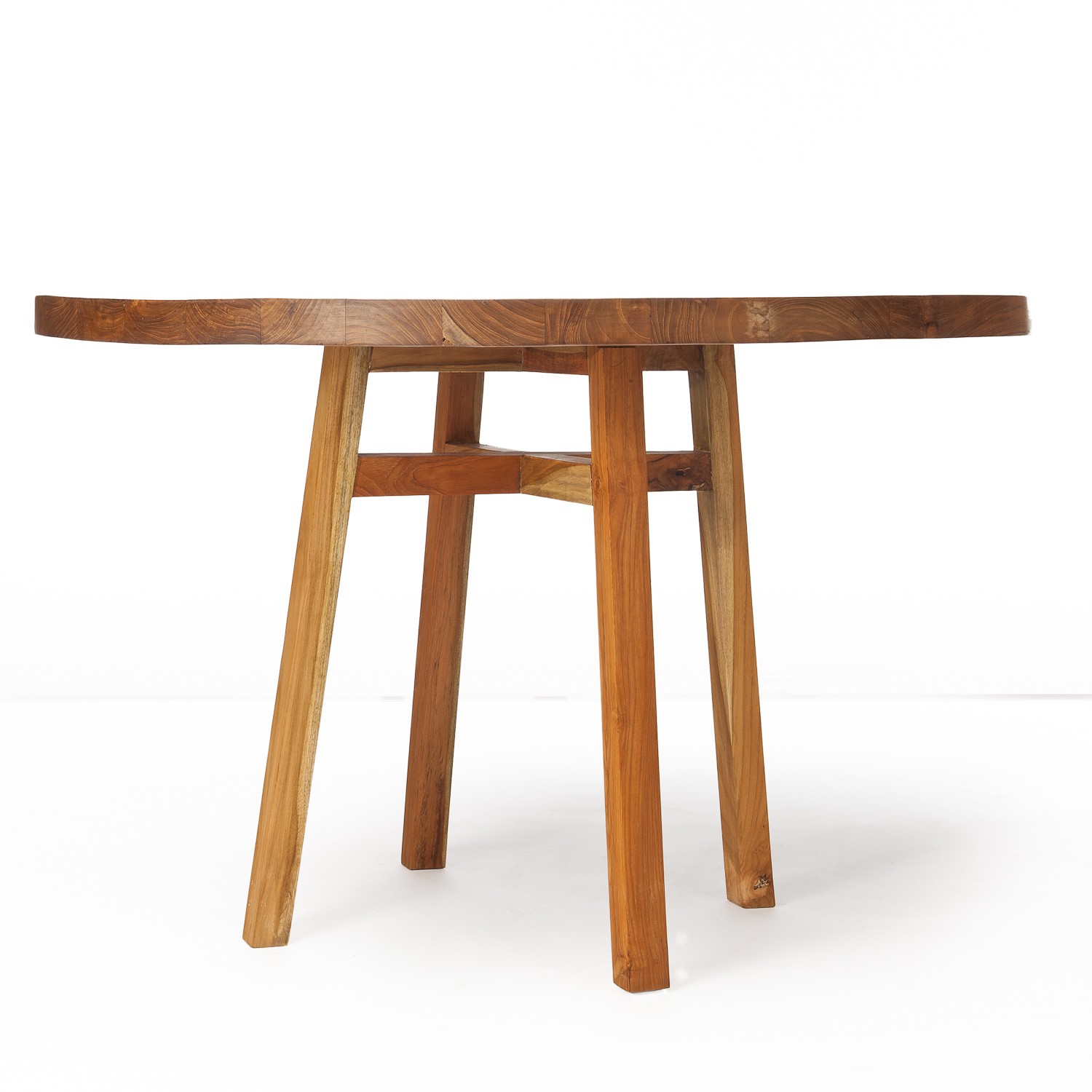
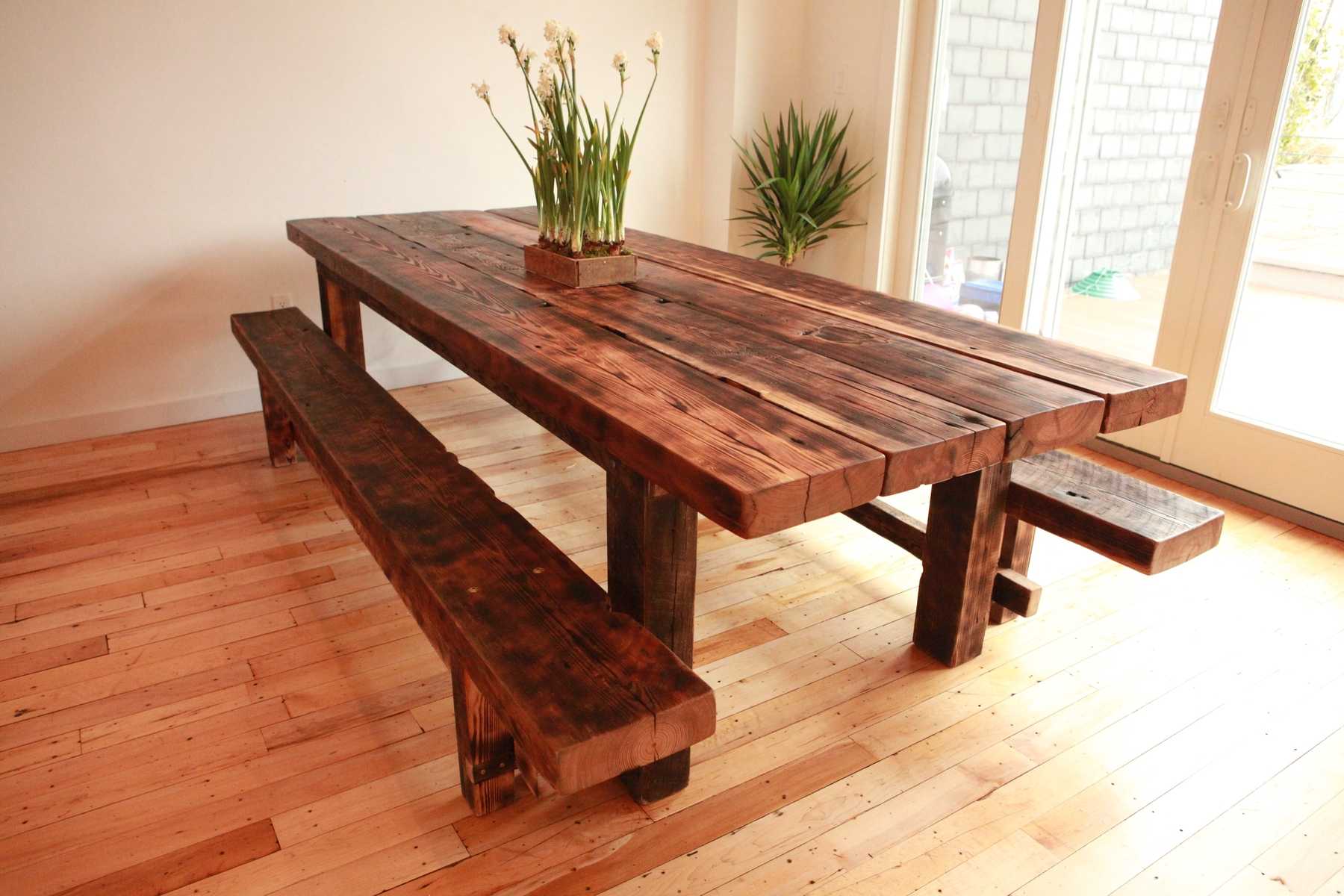
The perfect height for a pedestal dining table with standard chairs
A pedestal table can look sculptural and free up floor space, but its proportions should be decided from the chair side. For many Australian households, the perfect height for a pedestal dining table with standard chairs comes down to the distance between a seated person’s knees and the underside of the top.
A standard dining chair usually has a seat 45–48 cm from the floor, while common dining tables are 73–76 cm high. That combination usually creates 25–31 cm of knee space. It sounds simple, yet chair styles, seat depths and table aprons can change how the space feels in actual use.
The central pedestal is especially useful in compact Australian dining zones because diners are not sharing space with corner legs. Its height still needs to be matched carefully to the chairs, particularly when the table is round, extendable or used on a covered deck.
Measure the chairs before choosing the top
Measure each chair from the floor to the top of its seat, not to the curved back. Australian dining chairs often sit at 45–48 cm, yet low-profile timber frames and deeper upholstered models can differ by several centimetres, so the maker’s stated dimensions deserve a quick check.
Compare that measurement with the intended table height before placing an order. A chair with a 46 cm seat under a 75 cm top leaves about 29 cm for the knee. This generally feels balanced for adults, while a taller diner may prefer slightly more clearance.
Select a practical dining height
For most standard chairs, a dining top around 74–75 cm offers a balanced position. This sits near the middle of the common Australian range and usually gives thighs enough room to slide beneath the edge without making the chair appear unusually low.
Heights from 73 to 76 cm can work when the chair design supports them. A lower setting near 72 cm may suit a slim timber chair but reduces knee clearance, while 76 cm can complement a deeper seat. Pedestal tables with adjustable frames offer useful flexibility, provided every setting remains stable.
Leave enough room for knees and movement
Aim for roughly 25–30 cm between the chair seat and the underside of the tabletop. Deep aprons, drawers or a low stretcher can reduce usable space, and upholstered dining chairs may need a little more room than their frame measurements suggest.
The pedestal should not occupy the space where diners naturally place their knees. Sit at every position, push the chair inward and check the column, feet and any extension mechanism. When the dining zone flows into a lounge, comparing square and rectangular layouts can reveal whether the pedestal table is being crowded.
Fit the proportions to Australian spaces
Compact Sydney apartments and Melbourne terrace homes often combine the kitchen, dining area and lounge into one open zone. A round pedestal table can preserve circulation in a narrow room, although it should still have enough edge space for chairs to move without scraping nearby walls or cabinetry.
Brisbane households may use the same table on a covered back deck, where humidity and changing temperatures affect timber and metal finishes. Outdoor-grade chairs generally need more consideration than standard indoor chairs. The wider Boundless Table Ideas library offers related guidance on coordinating furniture with these different rooms and uses.
Check the pedestal base and seating plan
A central base removes corner-leg conflicts, but it can still interfere with feet if it is too wide or positioned poorly. Check that each diner has an unobstructed route to the table and that the pedestal does not force chairs into awkward angles. A stable base should also resist tipping when people lean back from the edge.
The seating plan matters as much as the height. A round pedestal may suit four to six diners, while a rectangular top can offer more places without appearing crowded. Check the dimensions with chairs pulled out rather than relying on the number of chairs shown in a product photograph, especially for extendable models.
Test before the table arrives
A quick measure-up before it goes in the cart can prevent costly surprises. Mark the table footprint on the floor with tape, place the actual chairs around it and sit down. This is more reliable than relying on scaled images, showroom dimensions or a pedestal’s nominal height.
Australian furniture buying often combines major retailers, online marketplaces and small local workshops, with made-to-order pieces and bulky freight affecting lead times. Ask for dimensions in both centimetres and millimetres if a drawing is unclear. For a custom build, contact the studio with the chair measurements, room dimensions and preferred finish before approving the final specifications.