Maximizing small space with a slim console sofa table
A narrow console behind the sofa can transform an awkward living room edge into useful storage and display space. Its shallow depth keeps walkways clear while creating a practical landing spot for lamps, books, remotes and everyday essentials.
This furniture choice suits compact Australian homes particularly well. In Sydney and Melbourne apartments, open-plan living areas often need to serve as lounge, dining and work zones. In older terrace houses, a slim sofa table can fit along a tight wall without making the room feel crowded.
The best design balances proportion, access and visual lightness. With the right dimensions, materials and storage features, a sofa console becomes part of the room’s architecture rather than an extra piece of furniture competing for attention.
Choose proportions that protect the walkway
Measure the clearance behind and beside the sofa before shopping. A console table between 20 and 30 centimetres deep is usually enough for styling and small storage, while the total length should sit comfortably within the sofa’s width. Leave a clear path for walking, especially in homes where the lounge connects directly to the kitchen.
Height matters as well. A table that aligns with the sofa back creates a calm, built-in appearance. A slightly taller design can work when it is used as a display ledge, but avoid a surface that blocks views across the room or makes leaning over the sofa uncomfortable.
In narrow Sydney units or compact Brisbane apartments, rounded corners can improve circulation. A wall-fixed console is another smart option because it reduces visual weight and leaves the floor open for cleaning.
Match the table to your room’s style
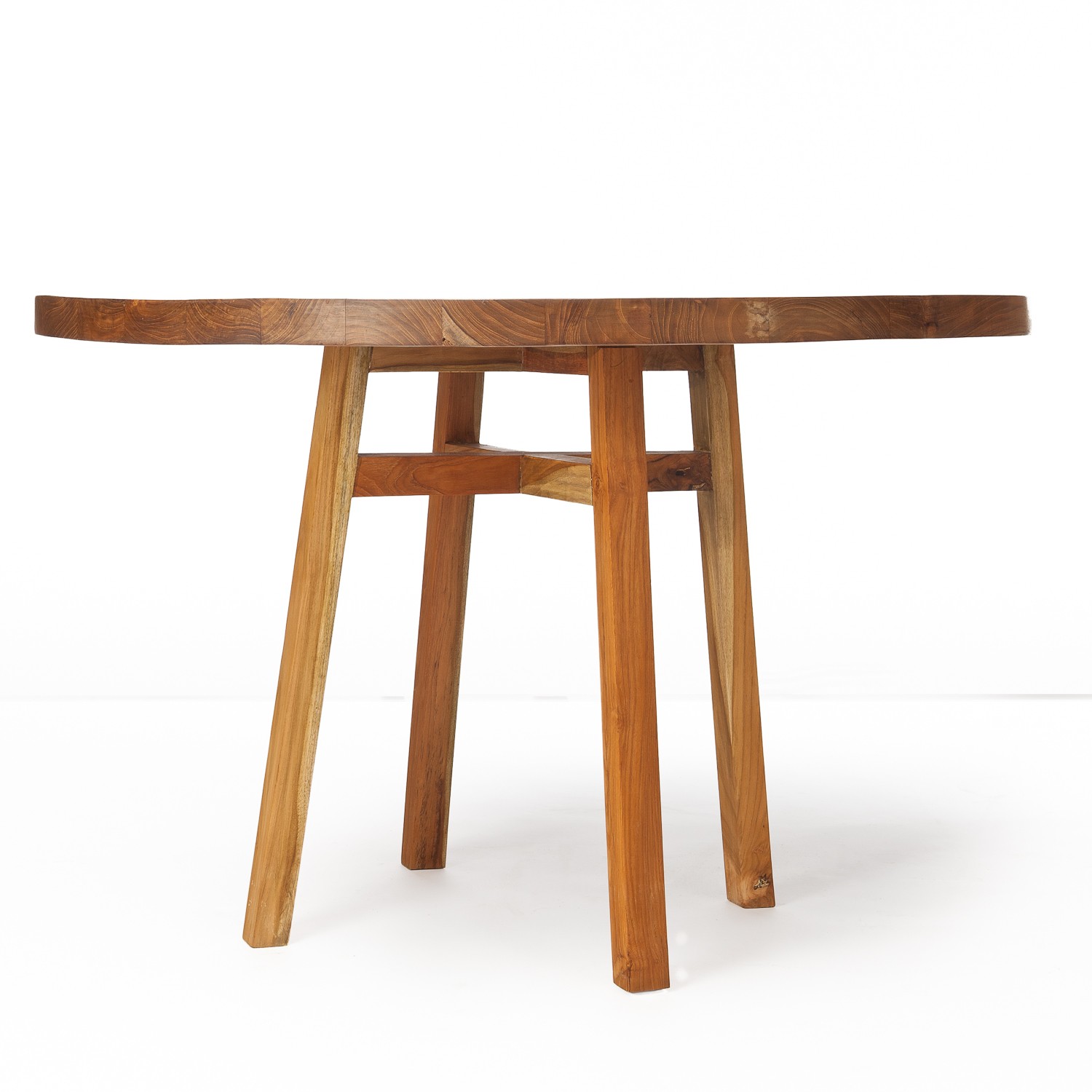
Timber brings warmth to a neutral room and works especially well with Australian coastal, Scandinavian and relaxed contemporary interiors. Black-stained wood or powder-coated metal gives a sharper look, while pale oak, recycled timber and woven details create a softer sense of texture.
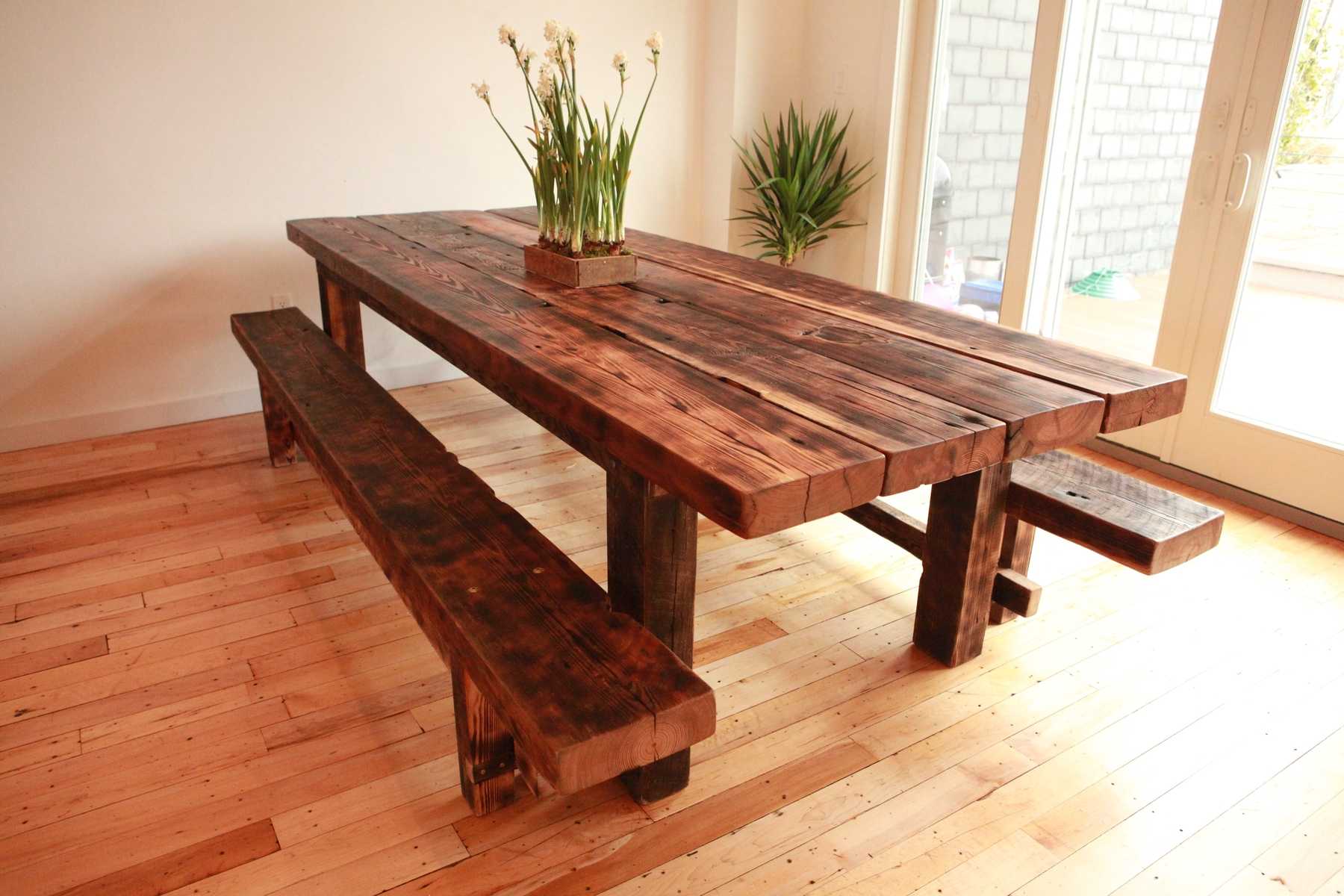
A live-edge top can add character, although its irregular profile needs careful placement in a busy passage. For guidance on using organic timber with a rustic scheme, explore this live-edge dining guide, then look for a slimmed-down version suited to a sofa wall.
Consider the existing furniture before choosing a finish. A console with a similar timber tone can make mismatched pieces feel connected, while a contrasting surface can define the sofa as a separate zone within an open-plan home.
Build storage into the narrow footprint
Drawers are useful for chargers, keys and television controls, keeping clutter away from the main living area. Open shelves suit baskets, magazines and folded throws, but they need regular editing to avoid becoming a visual dumping ground.
For households that remove shoes at the door, a small tray on the console can collect keys and sunglasses before they disappear under furniture. In a rental, freestanding baskets provide flexible storage without drilling, while a slim cabinet with sliding doors keeps contents concealed.
A lift-up top or shallow drawer can create a discreet home office station for a laptop. Check that cables can reach a nearby power point and use cable clips beneath the surface to prevent cords from trailing across the floor.
Use lighting to extend the room
A compact table lamp adds a warm pool of light behind the sofa and reduces the need for harsh overhead lighting. Choose a narrow base, or use a wall sconce above the console where electrical access and rental rules allow it.
Mirrors can amplify daylight, particularly in Melbourne homes with limited natural light. Position one above the table to reflect a window or a brighter part of the room, rather than directing attention towards a blank wall.
Keep styling low and deliberate. A bowl, framed print, small plant and one sculptural object are often enough. Native foliage such as eucalyptus can suit an Australian palette, though dried stems should be kept away from hot lamps and open flames.
Keep the table visually light
Leg design strongly affects how spacious the room feels. Tapered legs, a floating drawer or an open metal frame allow more of the floor to remain visible. Solid plinth bases can look substantial, so they are better reserved for larger rooms or consoles placed against a wide wall.
Glass, rattan and pale timber can soften a compact living area, while reflective finishes should be used sparingly because they show fingerprints and clutter. In homes with children or pets, rounded edges and stable feet are more practical than delicate, easily tipped designs.
Think about cleaning access before making a purchase. A table raised slightly from the floor allows a mop or vacuum to pass underneath, an everyday advantage in dusty Australian conditions and homes with shedding pets.
Coordinate nearby furniture and functions
The console should relate to the sofa, rug and adjacent dining area without matching every item exactly. Browse ideas in this dining table collection for proportion, timber finishes and leg shapes that can be echoed in a smaller sofa-side piece.
If the table sits behind a floating sofa, keep its depth consistent with the available passage and avoid placing tall decorations where they interrupt sightlines. In an open-plan home, it can also mark the boundary between the lounge and dining zones without adding a bulky room divider.
Finally, check the sofa-table relationship from a seated position. A surface that feels balanced, accessible and uncluttered will make the whole room work harder. For related seating proportions, this guide to coffee table height offers useful measurements that can inform the rest of the living room layout.