Round Dining Tables for Small Kitchens: A Space-Saving Solution
Round dining tables solve one of the most persistent headaches in compact Australian kitchens: the lack of room to move, serve, and socialise without bumping into a sharp corner. In apartments across Sydney's inner west, Melbourne's converted warehouses, and Brisbane's riverside units, the rectangular dining set often dominates a galley layout and limits how people circulate during meals.
A round table changes the dynamic of a room almost instantly. Without protruding ends, chairs can be pulled out at any angle, foot traffic flows naturally around the perimeter, and the eye perceives the surrounding floor as more open. Designers working on small footprints have long favoured circular forms for this reason, and the effect is especially noticeable in rooms under ten square metres.
There is also a social element that rectangular tables rarely achieve. With no head position, conversation moves freely around the curve, making round dining the right choice for households where everyone wants to feel included at breakfast, dinner, or a weekend brunch. For Australians living in apartments where the kitchen doubles as the dining room, that sense of connection matters as much as the saved square metres.
What follows is a practical guide to choosing the right round dining table for a small kitchen, from sizing and clearance to materials that cope with local conditions, plus style ideas and smart buying tips suited to the Australian market.
Why Round Tables Work Better Than Other Forms
A circular table has no corners to catch elbows or block a doorway, which is the single biggest advantage in a narrow kitchen. Chairs tuck under the edge when not in use, reclaiming the central floor area, and there is no dominant end to dictate where the host sits or how the room is arranged.
When comparing common dining options for tight footprints, the differences become clear:
| Shape | Footprint efficiency | Seating flexibility | Best room size | Risk in small kitchens |
|---|---|---|---|---|
| Round | High, no wasted edge space | Seats equally from any side | 6–10 m² | Limited to 4–6 diners |
| Rectangular | Low, hard to navigate around ends | Clear head and foot positions | 10 m²+ | Jams circulation paths |
| Square | Medium, suits two or four | Symmetrical but rigid | 6–8 m² | Awkward expansion options |
| Oval | High, similar to round with length | Versatile for longer walls | 8–12 m² | Requires more clearance |
Round and oval shapes both improve flow, yet round remains the most efficient because every centimetre of the perimeter can hold a seated person without the long-axis obstacle a rectangular or oval table creates. In a Melbourne studio apartment where the kitchen bench is within a metre of the dining zone, this often makes the difference between a comfortable four-seat setup and a constant game of dodgem. The aesthetic also helps, as a round table softens the hard lines of cabinetry and appliances, suiting the light, airy interiors favoured in contemporary Australian apartment design.
Sizing and Clearance for Australian Homes
A round table generally requires comfortable clearance between its edge and the nearest obstruction. Designers recommend at least ninety centimetres on all sides so diners can push back and stand without scraping the wall, but in apartments where space is tight, seventy centimetres can still feel workable if chairs are armless.
Typical small Australian kitchens measure between two and four metres in their narrowest dimension, so a round table with a diameter of ninety to one hundred and ten centimetres usually fits comfortably while still seating four adults. Brisbane renters in particular should check their tenancy agreement before drilling or assembling heavy fixed bases, as many Queensland rental contracts restrict alterations.
For households that occasionally host more guests, drop-leaf or extending round tables offer a clever workaround. The leaf folds down for daily use and opens out when needed, giving the table the footprint of a small oval during dinner parties without permanently claiming the floor space.
Materials That Handle the Australian Climate
Coastal humidity, summer heat, and the dry winter air of inland regions all take a toll on dining furniture. Solid timber remains a favourite in Australia, and local species such as Tasmanian Oak and Blackbutt perform well because they are acclimatised to local conditions and are widely available through suppliers in Sydney and Melbourne.
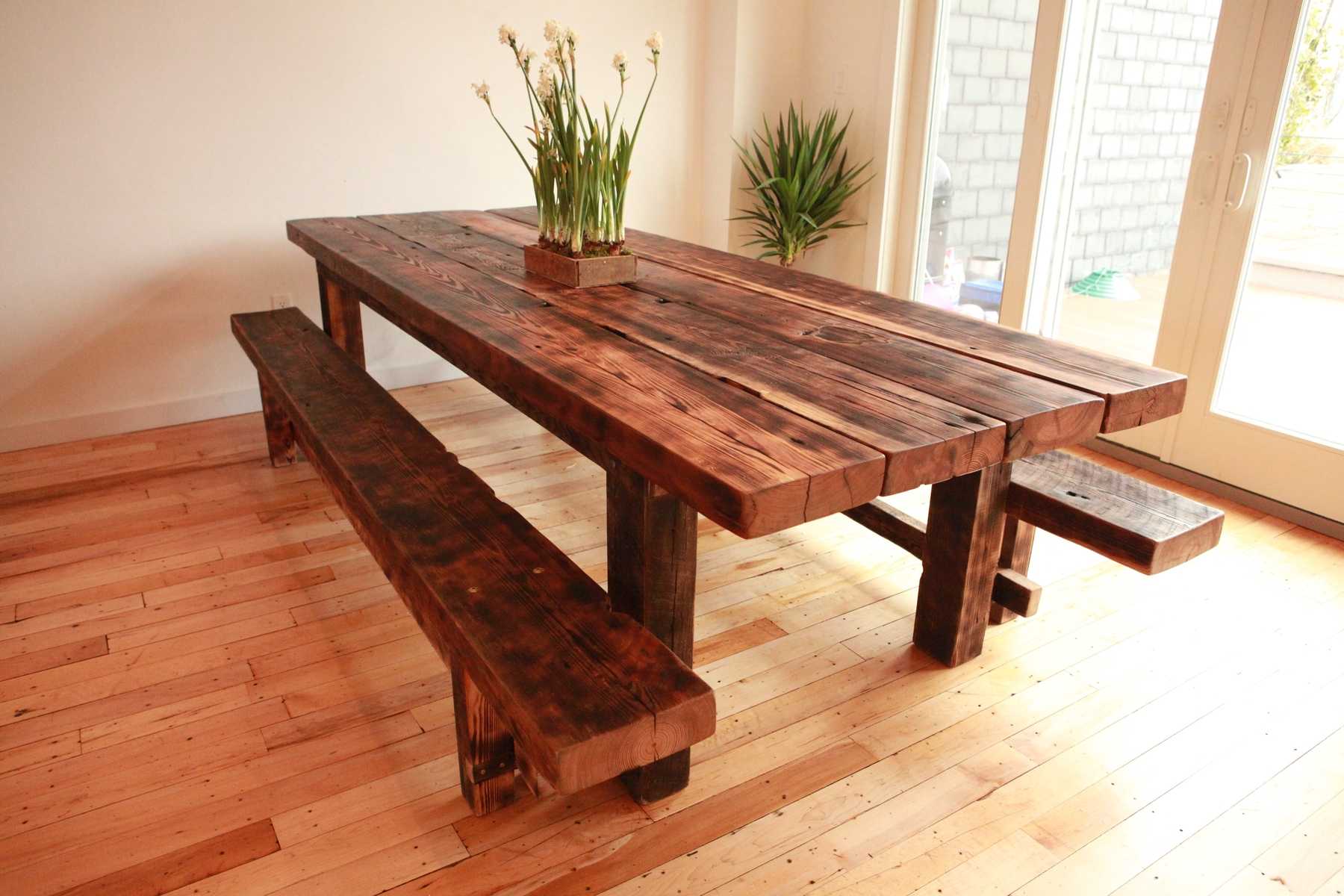
For DIY enthusiasts, reclaimed timber offers character and sustainability. A weekend project using shipping pallets or salvaged boards can yield a surprisingly refined piece, and a detailed walkthrough of building a pallet coffee table shares techniques that translate directly to a small dining build, from sanding and sealing to attaching hairpin legs.
Metal bases with stone or laminate tops are also worth considering in rental properties, as they resist scratches and humidity swings better than untreated MDF. Glass can look beautiful but shows fingerprints quickly and may not suit families with young children.
Style Inspirations From Coast to City
Australian interiors span a wide range of influences, and the round table adapts easily to each. In coastal homes around Byron Bay and Noosa, whitewashed timber bases paired with rattan chairs create a relaxed, holiday-resort feel that softens the bright light.
Inner Melbourne apartments often lean toward Scandinavian simplicity, where a pale birch round table with slim legs pairs nicely with muted textiles and indoor greenery. Hobart renovators working with heritage weatherboard cottages frequently choose darker spotted gum tops to echo the warmth of original floorboards while still keeping the room feeling open.
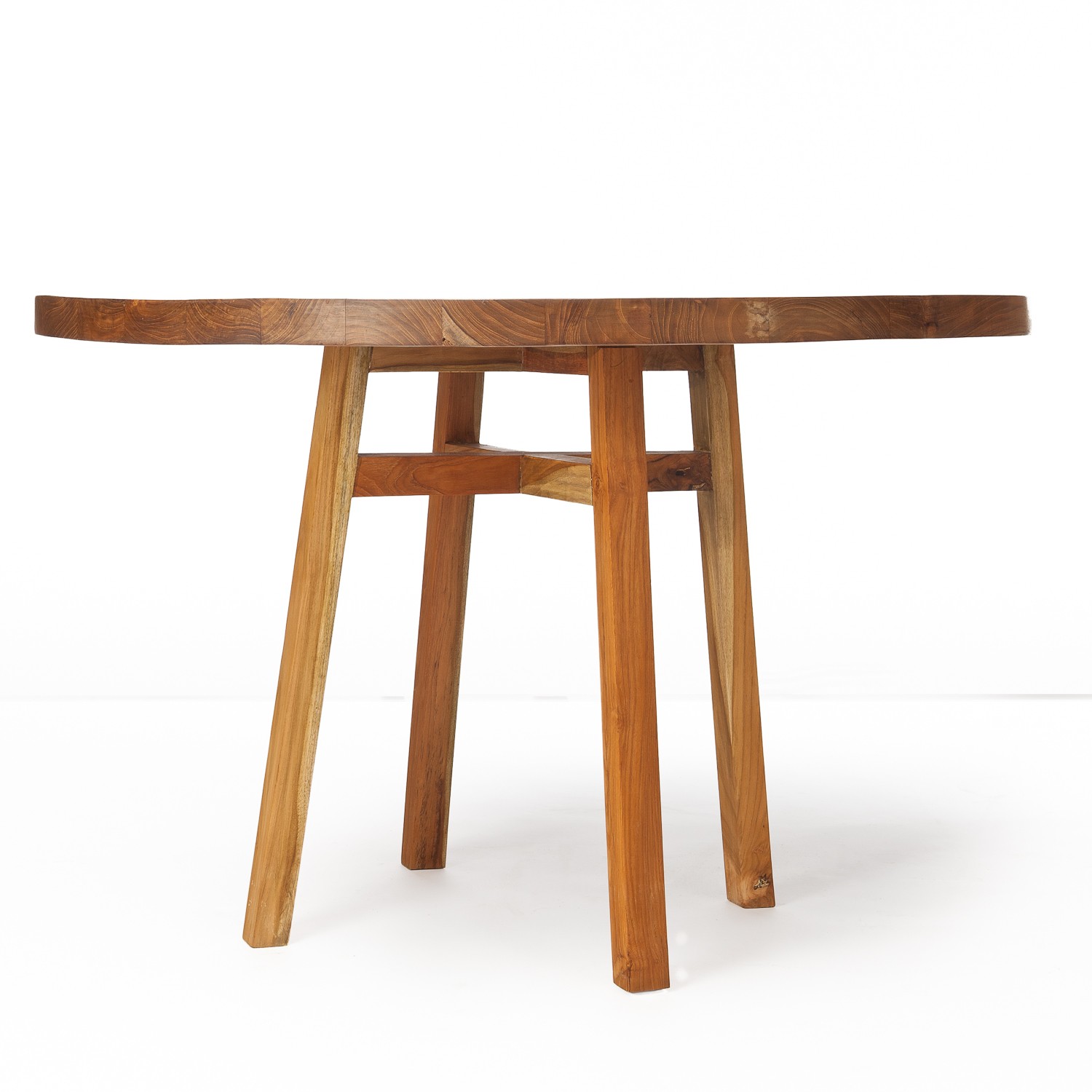
Modern farmhouse styling has also crossed the Tasman, with turned legs, painted finishes, and cross-base supports appearing in Sydney showrooms. The round shape keeps these traditional details feeling current rather than heavy.
Beyond Meals: Making the Table Multi-Functional
In a small kitchen, the dining table rarely serves only one purpose. Mornings start with coffee and laptops, afternoons host craft projects and homework, and evenings often shift from plates to board games or a casual card session. Players who like keno at home appreciate a quick cash out fast option so nobody has to leave mid-hand when the meal is served.
Choosing a table with a durable, wipeable surface makes these transitions painless. Quartz, solid timber with a hard-wax oil finish, or quality laminate all handle spills, craft glue, and heat from serving dishes without complaint. Adding a felt-backed runner protects the surface during craft sessions and can be removed in seconds when dinner is served.
Round tables also suit households that include wheelchair users or people with mobility considerations, as the lack of corners makes approach from any angle easier than rectangular alternatives.
Smart Buying Tips for the Local Market
Australian shoppers can choose from a wide range of sources, from flat-pack specialists like IKEA Tempe or IKEA Marsden Park to mid-range chains such as Domayne and Fantastic Furniture. For those wanting something unique, independent makers in Fremantle and Newtown often build to order and can tailor proportions to a tight corner.
Before committing, measure the delivery path. Many apartments in older Sydney and Melbourne buildings have narrow stairwells or tight lifts, and a 120-centimetre round top may not fit through the door. Checking return policies is also wise, as Australian Consumer Law guarantees products must be of acceptable quality, fit for purpose, and match descriptions, which provides recourse if a table arrives damaged or not as advertised.
Finally, consider resale value. Neutral timbers and timeless shapes hold their worth on Gumtree and Facebook Marketplace, meaning a well-chosen round table can serve a household for years and then find a second life in another small Australian kitchen.