DIY Pallet Coffee Table Ideas For A Modern Farmhouse Home
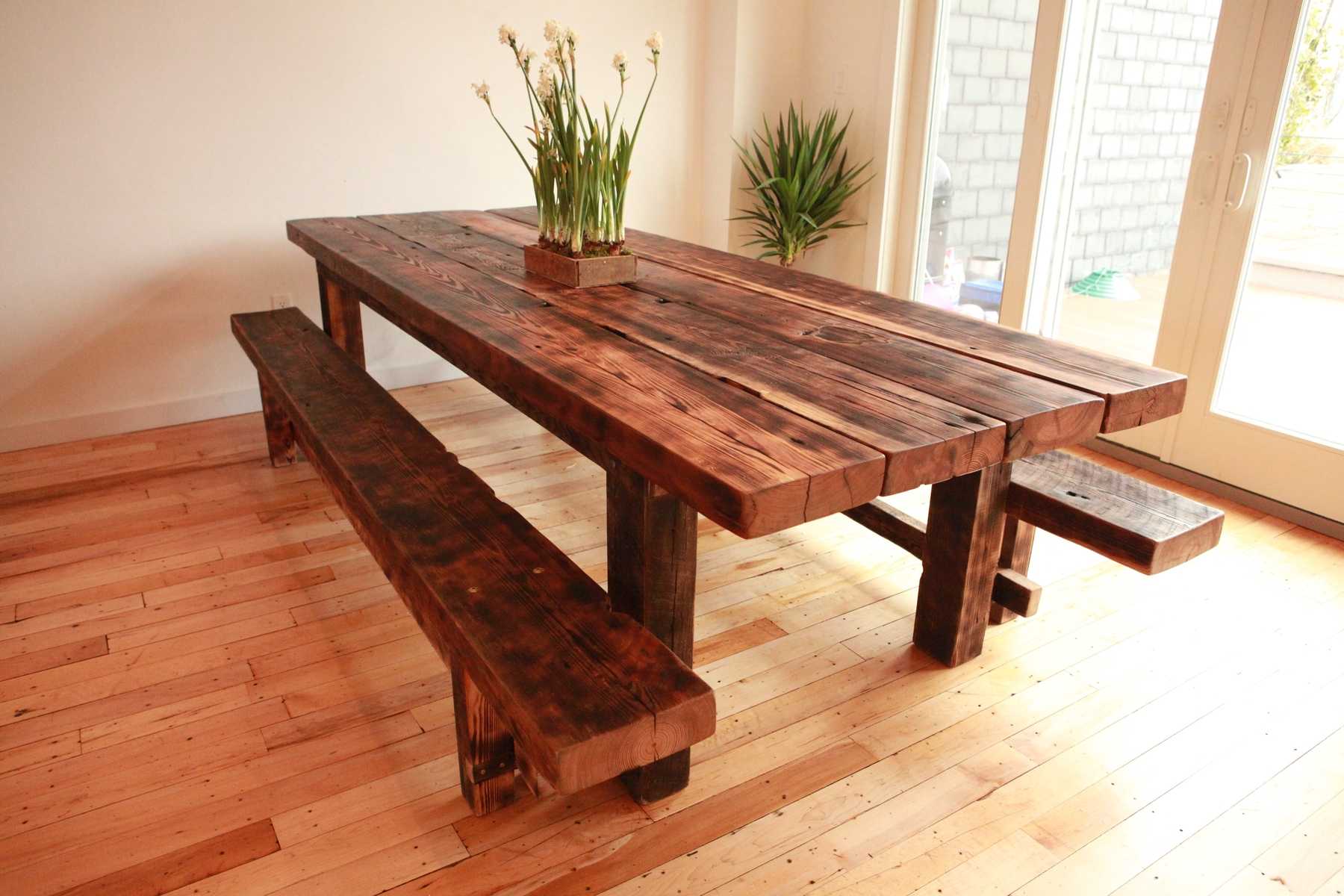
A pallet coffee table brings warm timber, visible grain and a relaxed country feel to a living room without demanding a large furniture budget. With careful preparation, a few basic tools and a restrained finish, reclaimed boards can become a polished centrepiece rather than a rough-looking weekend project.
The modern farmhouse style works especially well in Australian homes because it balances practical materials with a light, uncluttered look. Picture pale timber, black metal, linen upholstery and plenty of space around the table for everyday living, whether the room opens onto a verandah in Adelaide or a family area in Brisbane.
This project can be adapted to suit a compact apartment, a wide rural lounge or a coastal home near Newcastle. The key is to treat the pallet as raw material, not ready-to-use furniture: check its history, remove hazards and design the final proportions around your sofa.
Choose Pallets Carefully
Look for clean, dry pallets from a reputable supplier or a local building-materials yard. Many Australians find suitable reclaimed timber through demolition outlets, salvage stores or marketplace listings, but avoid boards stained with oil, chemicals or unknown spills. A pallet that has travelled through industrial storage may look sound while carrying odours and contaminants.
Check for the IPPC stamp. Choose heat-treated pallets marked “HT”, and avoid those marked “MB”, which indicates methyl bromide treatment. Wear gloves and a dust mask during inspection, and reject boards with deep mould, extensive splitting or protruding nails.
Prepare The Reclaimed Timber
Remove the boards with a pallet buster or pry bar, working slowly to reduce splitting. Pull every nail, staple and screw, then sweep away dirt before sanding. A random-orbit sander makes the job faster, although hand sanding works well for a smaller table.
Start with coarse paper and finish with a medium grit that leaves some character in the timber. Do not sand away every saw mark: farmhouse furniture looks more convincing when it retains a few dents and variations. Fill large cracks with timber putty, but leave minor imperfections visible.
Build A Strong, Simple Frame
Measure the seating first. A coffee table usually sits slightly lower than the sofa cushions, with roughly 400–450 mm of clearance from the floor. For a long Australian lounge, two pallet layers may feel bulky, while one sturdy top on a simple frame gives a lighter modern profile.
Construct a rectangular support frame from straight pine or reclaimed hardwood, then attach the prepared boards across the top. Add a lower shelf if you need storage for books, baskets or board games. Pre-drill every screw hole, especially near board ends, and use countersunk screws so the surface remains comfortable around bare feet.
Compare Finishes And Details
The finish controls whether the table feels coastal, rustic or contemporary. Test products on an offcut first, because reclaimed pine can absorb stain unevenly and some Australian hardwoods become noticeably darker under oil.
| Finish | Visual Effect | Best Use | Maintenance |
|---|---|---|---|
| Whitewash | Soft, light farmhouse character | Bright living rooms | Wipe clean and touch up as needed |
| Clear water-based varnish | Natural timber with low odour | Indoor family spaces | Recoat when the surface dulls |
| Hardwax oil | Rich grain and a tactile feel | Feature coffee tables | Refresh periodically |
| Matte black paint on the frame | Modern contrast | Industrial farmhouse rooms | Spot repair chips |
For broader furniture inspiration, browse these coffee table ideas to compare proportions, storage layouts and alternative materials before committing to your build.
Add Farmhouse Character
Pair a lightly whitewashed top with a charcoal, deep green or warm black base. Black hairpin legs create a cleaner contemporary look, while chunky timber supports make the piece feel more traditional. Castors can be useful in open-plan homes, but choose lockable wheels so the table stays put during family gatherings.
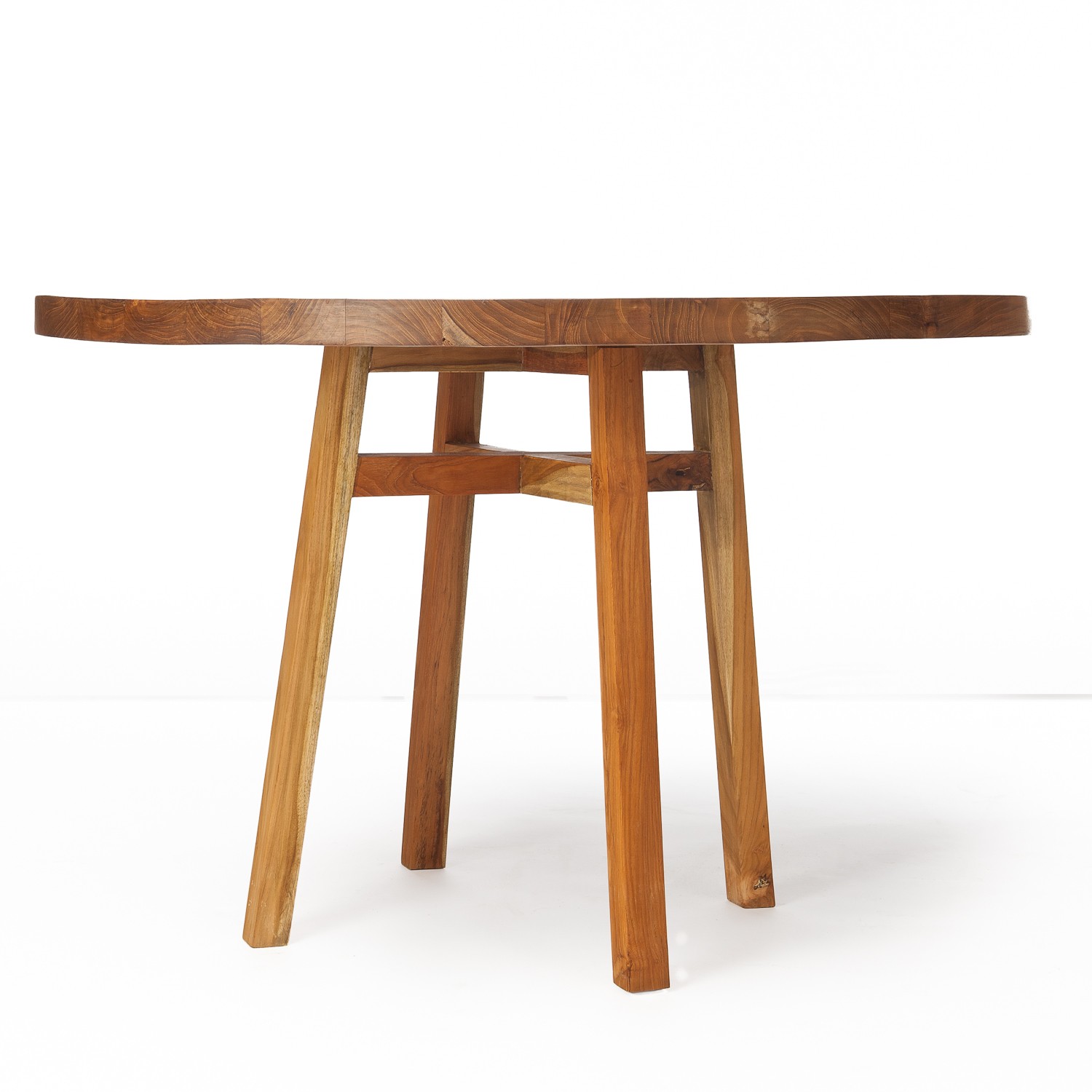
Keep the styling restrained: a ceramic bowl, a stack of art books and a small vase are enough. Australian-made linen, textured wool and hand-thrown pottery add warmth without making the room look staged. For a more elevated rustic direction, live-edge dining inspiration can suggest ways to celebrate irregular timber edges.
Make Storage Work Harder
A lower pallet deck can hold woven baskets, magazines or children’s toys, though it should be sanded thoroughly so fabric does not snag. Alternatively, build a shallow drawer into the frame for remotes and chargers. Leave enough clearance for a vacuum head, especially if the table will sit on hard flooring.
Protect the top with felt pads beneath decorative objects and use coasters under cold drinks. In homes with young children, round over sharp corners and avoid unstable stacked pallets. A clear matte coating makes spills easier to wipe while preserving the relaxed timber appearance.
Place And Maintain The Finished Table
Keep the table away from direct afternoon sun where possible, particularly in western-facing rooms that can become hot during an Australian summer. On a covered verandah, use an exterior-rated finish and expect faster fading from UV exposure; advice on weather-ready table materials is useful when adapting the design for outdoor use.
Dust with a soft cloth and wipe spills promptly. Re-tighten screws after the first few weeks as the reclaimed timber settles, and lightly refresh the finish when the surface begins to look dry. With sound construction and sensible care, a discarded pallet can become a durable farmhouse focal point with genuine character.