A buyer’s guide to extendable dining tables for holiday gatherings
An extendable dining table can turn an everyday dining area into a welcoming setting for Christmas lunch, New Year celebrations or a long Sunday meal. The best design feels comfortable when closed, then expands smoothly when extra guests arrive.
Australian homes vary widely, from compact Sydney apartments to open-plan houses in Brisbane and spacious suburban dining rooms in Adelaide or Perth. That makes the table’s everyday footprint just as important as its maximum seating capacity.
Before buying, consider how often you host, where the table will be stored or extended, and whether the room has enough clearance for chairs. A beautiful six-to-ten-seater is of little use if it blocks a hallway or leaves guests squeezing past furniture.
Style also matters, but practicality should lead the decision. Look for durable finishes, reliable extension hardware and proportions that suit your existing chairs, flooring and lighting.
Measure the room in its everyday layout
Measure the table area with the leaves removed, then mark the extended dimensions on the floor with masking tape. Allow roughly 90 centimetres behind occupied chairs for comfortable movement, increasing that clearance near doorways, kitchen paths and sliding doors.
This exercise is especially useful in Melbourne terraces and newer apartments where dining zones can share space with the living room. If the table sits near a sofa, compare its visual weight with nearby furniture using these coffee table proportions as a useful reference for balancing height and scale.
Choose a useful seating range
A four-to-six-seat table is generally practical for daily meals, while a six-to-eight-seat model suits households that entertain regularly. Tables advertised for ten or twelve people may require considerable floor space once chairs are pulled out.
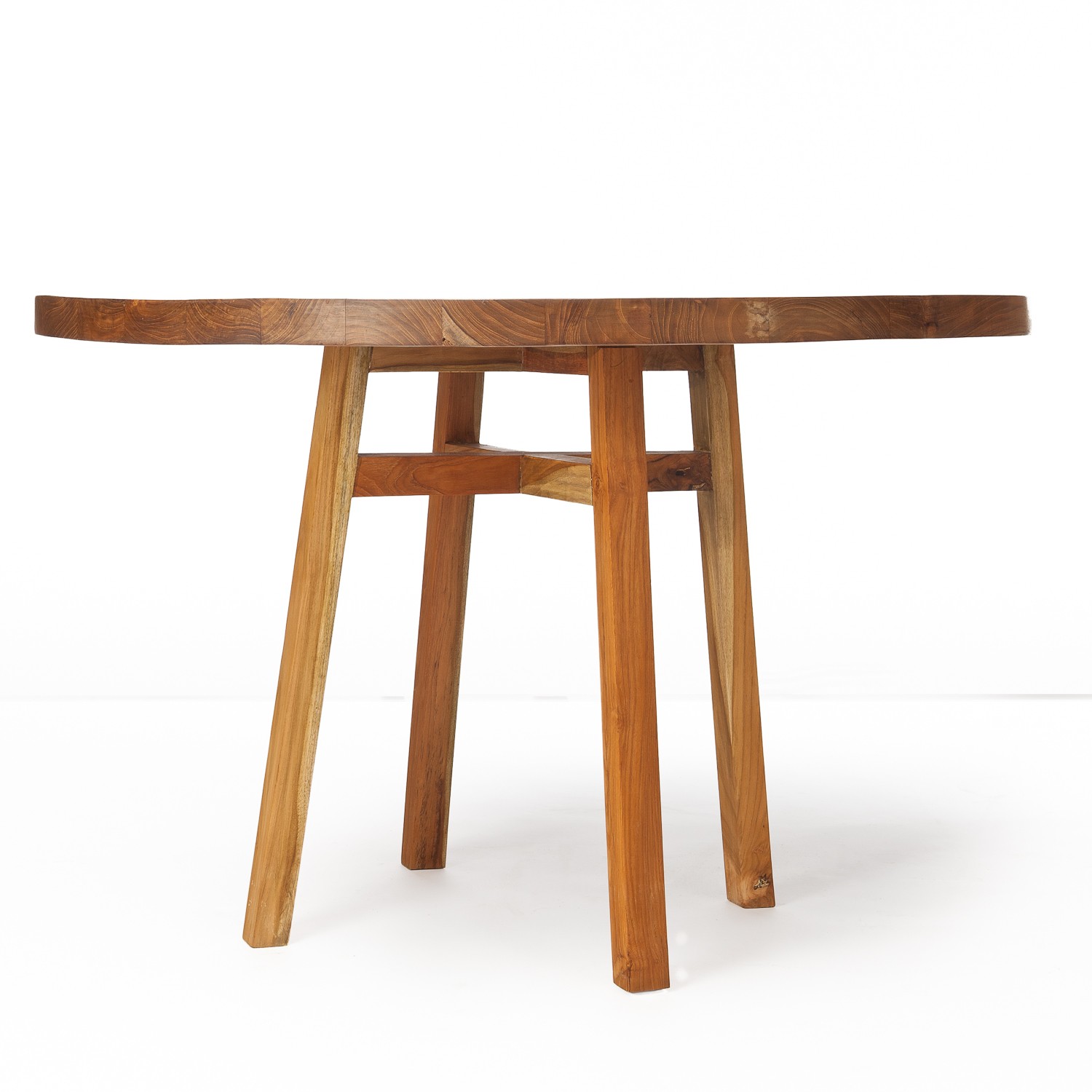
Check the usable tabletop length rather than relying only on the manufacturer’s seat count. Broad place settings, serving platters and children’s high chairs can reduce the number of guests who fit comfortably. A pedestal base often provides more legroom than four corner legs, particularly at the ends.
Compare extension mechanisms
Butterfly leaves fold inside the table and are convenient when storage space is limited. Drop-in leaves are often sturdy and visually neat, though they need somewhere safe and dry when removed. Self-storing systems are attractive for busy households because the extra sections stay with the table.
Open and close the mechanism several times in a showroom. It should move without force, align evenly and avoid catching fingers. Ask whether the runners are metal, whether replacement hardware is available and whether the retailer offers assembly or adjustment support.
Match materials to Australian living
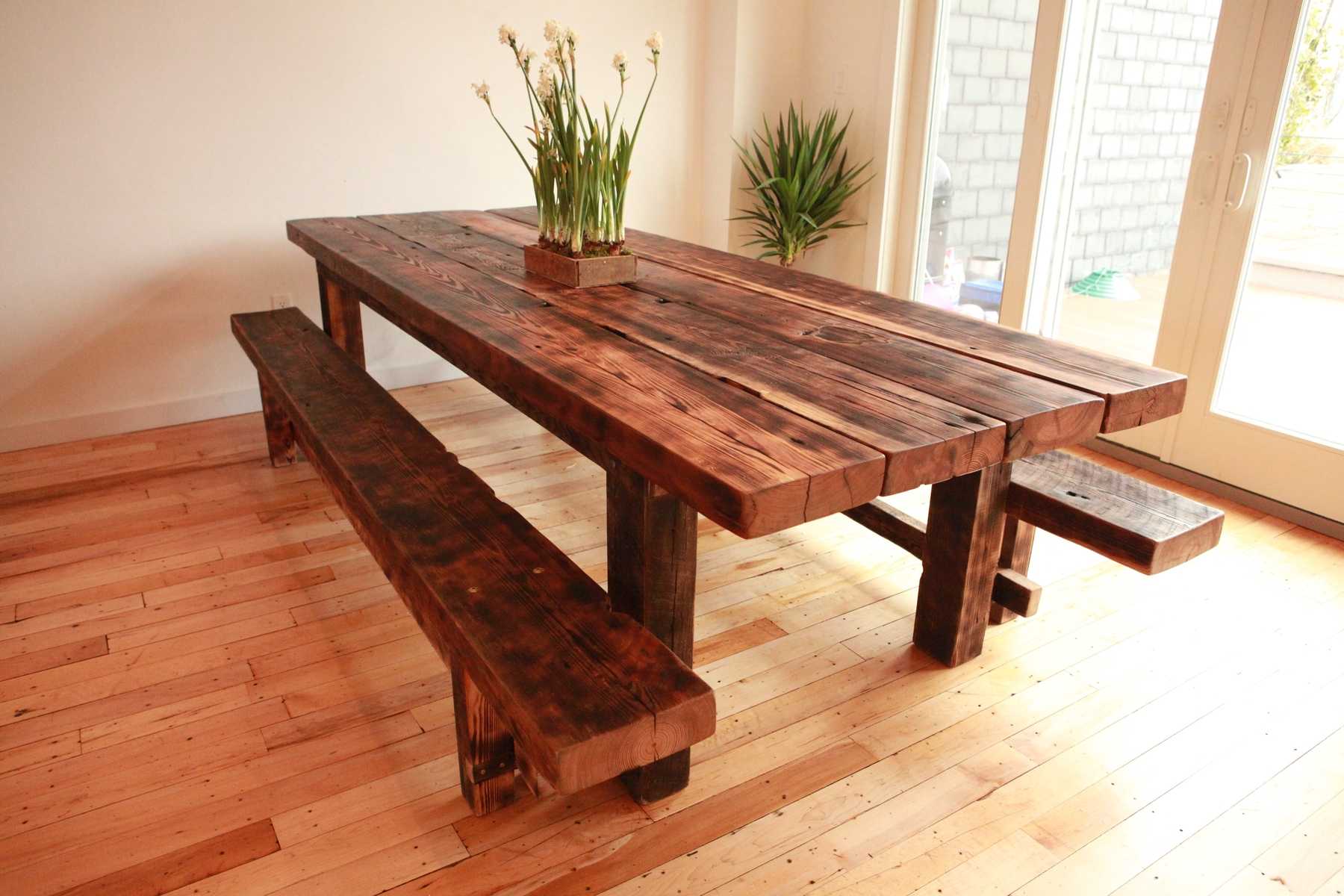
Solid timber brings warmth and can often be sanded or refinished, but it may expand or contract with changes in humidity. Keep it away from intense afternoon sun, heaters and damp areas, and use coasters under cold drinks to reduce marking.
Veneer is usually more stable and can offer the appearance of timber at a lower price, while laminate and engineered surfaces are practical for families. For homes with a relaxed alfresco routine, comparing patio table materials can also clarify which finishes cope best with heat, moisture and regular cleaning.
Plan for indoor and outdoor entertaining
Many Australian hosts move between the dining room, balcony and backyard during the holiday season. If you expect the table to be used outdoors, confirm that it is specifically rated for exterior conditions; an indoor timber table can deteriorate quickly under ultraviolet light and rain.
For covered patios, prioritise rust-resistant fittings, easy-clean surfaces and a weight that will remain stable in sudden wind. These outdoor table ideas can help coordinate an extendable indoor table with outdoor seating, serving areas and shade structures.
Consider daily family use
A table that expands for guests should remain pleasant for ordinary breakfasts, homework and weeknight dinners. Rounded corners are helpful around young children, while a hard-wearing finish is sensible if the table will double as a work or craft surface.
Think about chair compatibility before purchasing. Aprons beneath the tabletop can interfere with armchairs, and a thick central support may restrict legroom. Leave enough space for a high chair or booster seat without pushing other guests away from the table.
Check quality, delivery and consumer rights
Inspect joins, tabletop edges and the underside for rough surfaces or uneven finishing. Extension leaves should match the main surface in colour and height, although natural timber may show variation. Ask about delivery access, stair charges, assembly and the retailer’s policy for storing replacement leaves.
Under the Australian Consumer Law, furniture must match its description, be of acceptable quality and be fit for any purpose explained to the seller. Keep the invoice and product details, especially when buying online or during a Boxing Day sale. A lower price is worthwhile only if the mechanism, finish and after-sales support can withstand years of entertaining.