Choosing the right scale for a large coffee table in an open floor plan
An open floor plan can make a home feel spacious, airy and flexible, yet the lack of walls makes furniture proportions especially important. A large coffee table should anchor the seating area without blocking circulation between the lounge, kitchen and dining zones. Its length, width, height and visual weight all influence how comfortably the room functions.
For Australian homes, the decision often involves compact apartment layouts in Sydney or Melbourne, broad suburban living areas in Brisbane or Perth, and indoor-outdoor spaces connected to a deck or verandah. The right scale creates a clear centre for conversation while leaving enough room for everyday movement, guests and family routines.
Start with the seating footprint
Measure the sofa, chaise, armchairs and occasional seating as one combined arrangement rather than judging the table against the sofa alone. A useful proportion is for the coffee table to reach roughly two-thirds to three-quarters of the sofa’s length. In a room with a large modular lounge, a generous rectangular or oval table can balance the arrangement more effectively than a small central piece.
Leave approximately 35 to 45 centimetres between the table edge and the surrounding seating. This distance gives people enough room to sit down, stretch their legs and reach drinks without creating an awkward gap. In smaller Sydney apartments, staying near the narrower end of that range can preserve a practical walkway through the living zone.
Protect circulation across the room
Open-plan rooms rely on clear routes between key areas. Mark the proposed table footprint on the floor with painter’s tape, then walk from the front door to the kitchen, from the sofa to the balcony and around the dining area. If the taped outline interrupts a natural path, the table is too large or positioned too centrally.
A table with softened corners can make a substantial piece feel easier to navigate, particularly in homes with children or pets. Round and oval designs also suit rooms where several walkways converge. For a compact dining zone nearby, these space-saving dining ideas can help maintain a consistent sense of openness without competing with the coffee table.
Match height and visual weight
The ideal coffee table is usually level with the sofa seat or slightly lower, often around 35 to 45 centimetres high. A low profile suits relaxed Australian interiors and keeps views open across the room, while a taller design may work better with upright seating or a formal entertaining layout. Check the height of the sofa cushions rather than relying on a standard measurement.
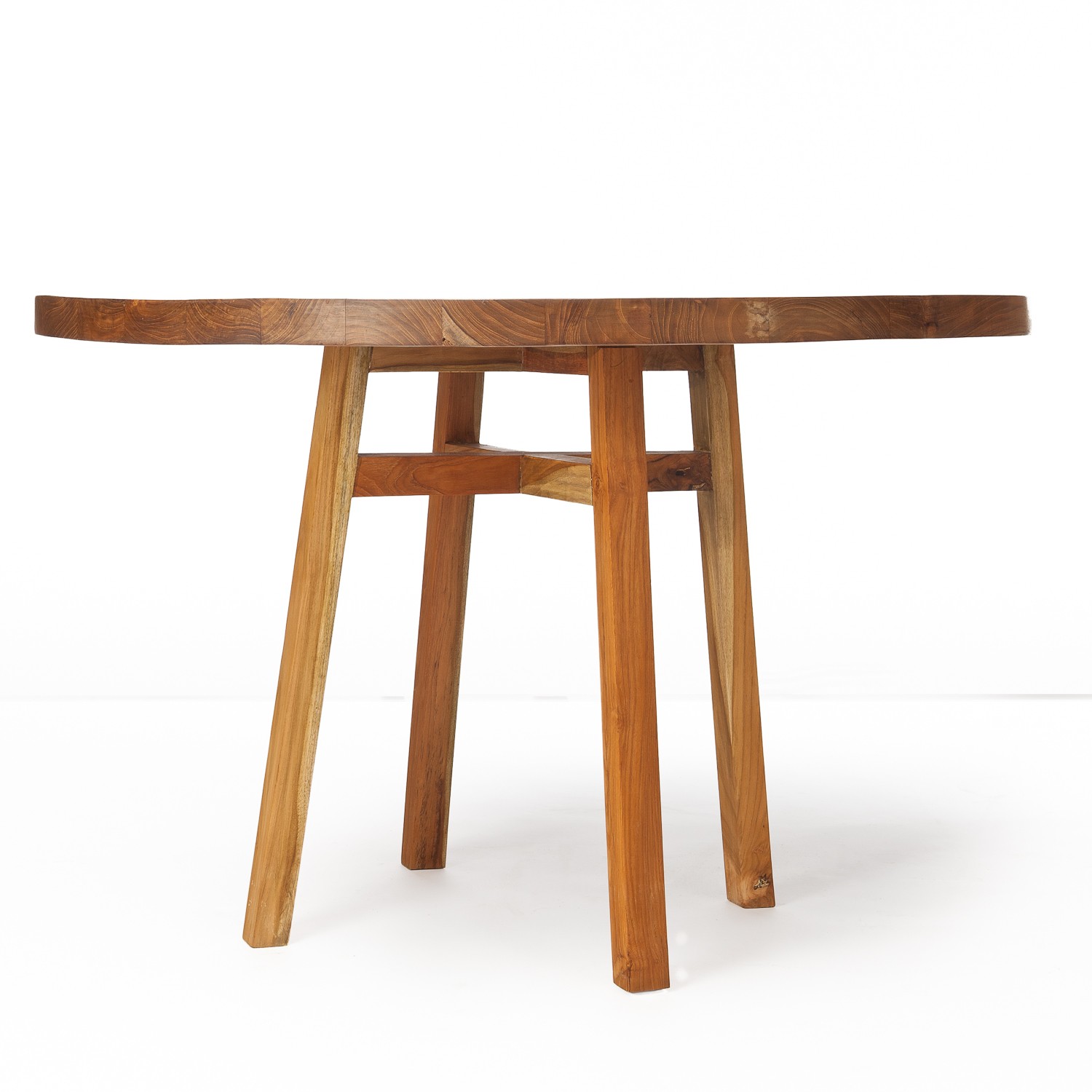
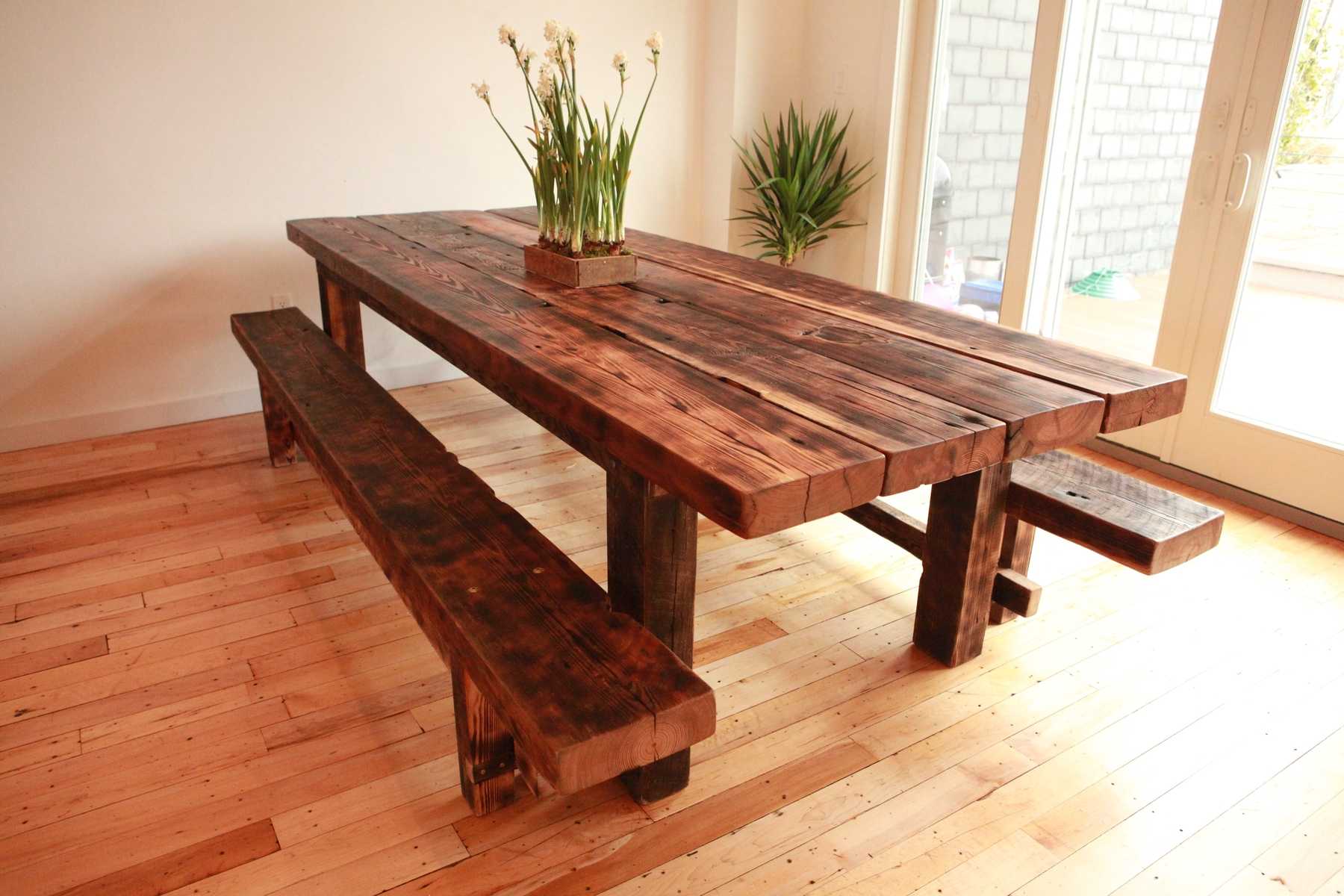
Scale also depends on the table’s materials. A thick timber top and solid base can dominate a room, whereas slim metal legs, glass or a pale finish create a lighter appearance. In a large Brisbane or Perth living room, a substantial timber table may provide welcome warmth, but it should be balanced with open shelving, raised legs or a restrained colour palette.
Consider storage and everyday use
A large coffee table earns its footprint when it performs several jobs. Drawers can hold remotes, coasters and chargers, while a lower shelf provides space for books, baskets or children’s toys. Lift-top designs may support occasional laptop use, though they need extra clearance so the raised surface does not collide with sofas or lamps.
Think about the room’s real routines before choosing a storage style. If the table sits near a kitchen island, a durable surface that tolerates crumbs and quick cleaning is more useful than delicate stone. Homes connected to a verandah may also benefit from woven baskets and timber finishes that echo outdoor furniture without making the lounge feel like a patio.
Create a balanced centrepiece
The table should relate to the rug beneath it. Ideally, the rug extends beyond the table and at least the front legs of the sofa and chairs, helping the furniture read as one conversation area. A large rug can make a generous coffee table feel intentional, while a small rug beneath an oversized table creates a cramped, visually uneven result.
Leave enough clear space for serving platters when entertaining, especially during an Australian barbecue or a long weekend gathering. If the table doubles as a surface for board games or casual drinks, consider a resilient finish and stable base. Digital entertainment may also be part of the household routine, so cable management or a discreet storage compartment can keep the centre of the room tidy; even browsing cash-out timing or free spin offers is better kept separate from the table’s main entertaining role.
When comparing furniture from Australian retailers, check metric dimensions, delivery access and return policies before ordering. Measure lifts, stairwells and apartment doorways, and remember that a table that fits the floor plan may still be impossible to bring through a narrow entrance. The best large coffee table feels visually grounded, leaves circulation effortless and supports the way the household actually uses its open living space.