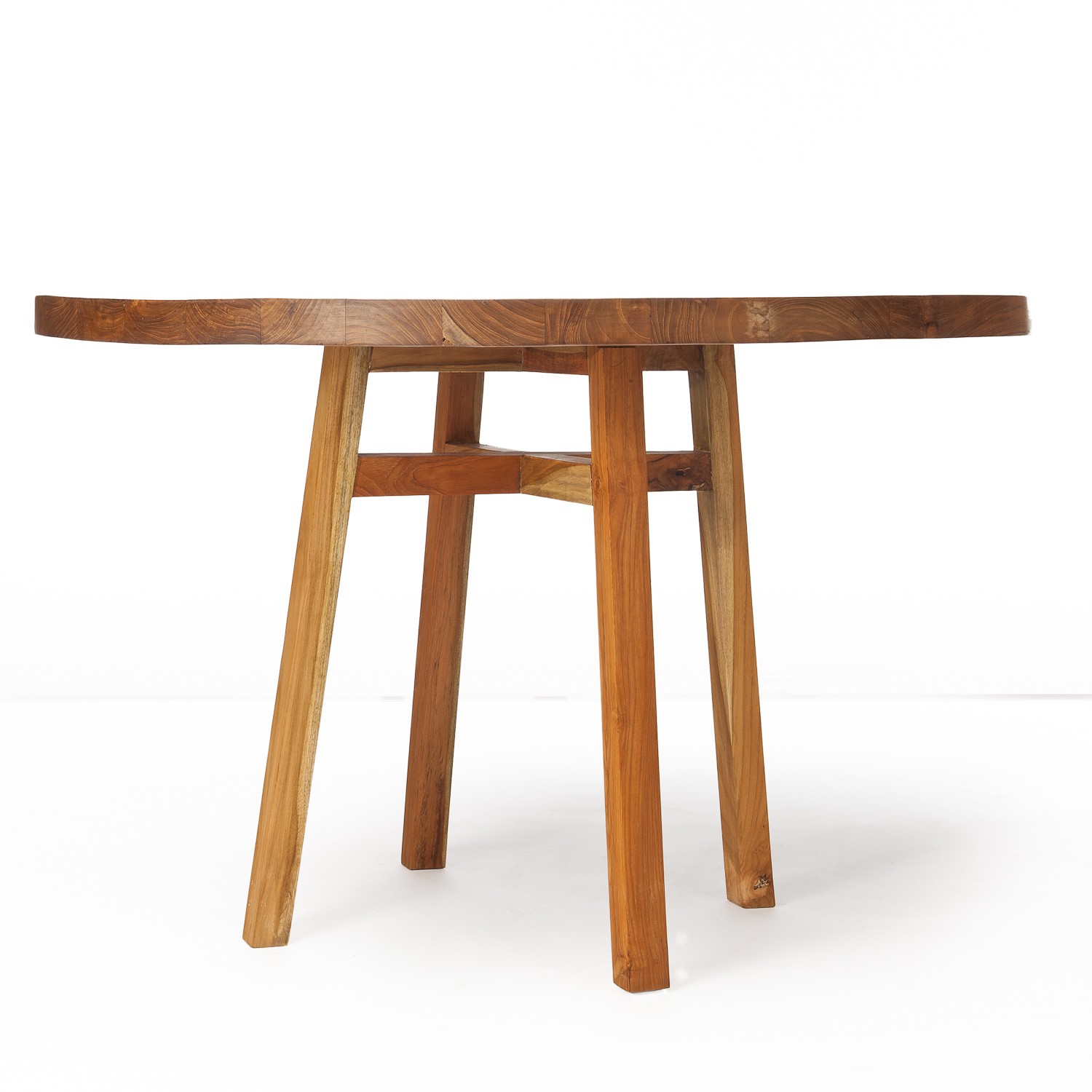
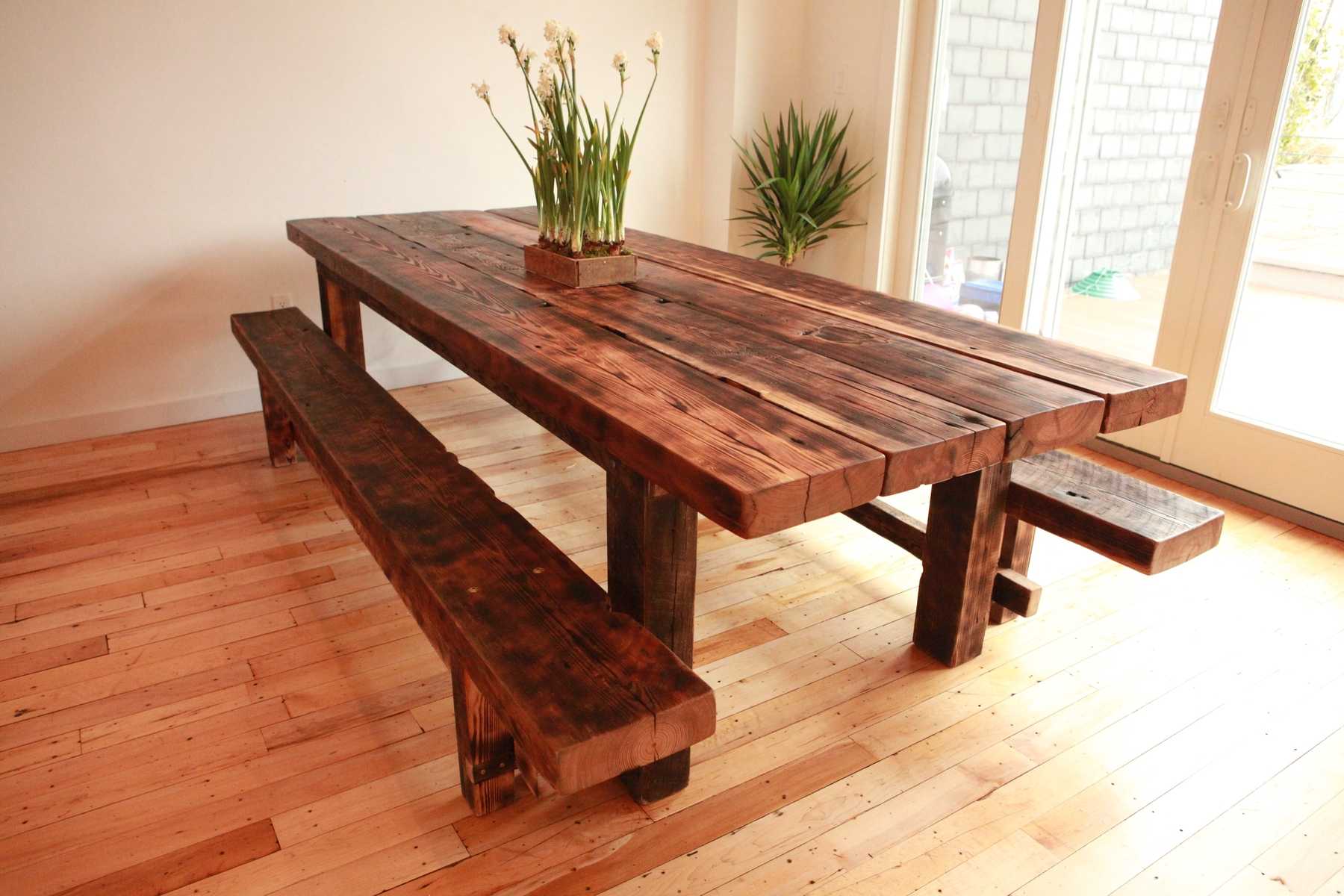
Creating a coffee table centrepiece that changes with the seasons
A coffee table centrepiece can refresh a living room without replacing the furniture. By changing a few natural elements, colours and textures throughout the year, the arrangement stays connected to the season while remaining practical for everyday use.
Australian homes often move between relaxed indoor living and outdoor entertaining. A low, layered display can suit a Sydney apartment, a Melbourne terrace or a Brisbane family room, provided it leaves enough clear space for cups, books and conversation.
The most successful styling combines beauty with restraint. Choose a tray, bowl or shallow box as the foundation, then add objects at different heights so the arrangement feels considered rather than crowded.
Seasonal decorating also offers an opportunity to reuse what you already own. A ceramic vase, timber board or woven basket can take on a completely different character when paired with new foliage, candles or colour accents.
Start with a practical foundation
Begin with a tray that gathers the display into one movable unit. Timber works well with farmhouse and coastal interiors, while metal, stone or rattan can give a more contemporary coffee table a distinct personality. A tray also makes it easier to clear the surface before entertaining.
Keep the centrepiece proportional to the table. On a large rectangular design, use a long arrangement or two balanced groupings. Round coffee tables usually suit one central composition, although a low tray and a single sculptural object can create a clean look.
Choose a seasonal colour story
Summer styling can draw from Australian coastal colours: sand, chalk white, pale blue and soft green. Add a glass vase filled with leafy stems, a small bowl of shells or a linen-covered book for an airy arrangement that feels at home during an alfresco lunch.
For autumn, introduce rust, ochre, olive and warm timber tones. Dried banksia, gum leaves and seed pods bring local character without requiring constant maintenance. These textures work particularly well in Melbourne homes during cooler evenings when the coffee table becomes a visual focal point near the sofa.
Build height without blocking the room
Varying height gives a display depth, but every item should remain easy to see over. Place a low stack of books beside a medium-height vessel, then add one taller branch or candleholder. Avoid tall arrangements that interrupt sightlines across the lounge.
The table’s relationship with the sofa matters too. Before styling, check a reliable coffee table height guide so decorative choices complement comfortable use. A centrepiece should enhance the furniture rather than make reaching for a drink awkward.
Refresh the arrangement for winter
Winter is a good time to use richer materials and deeper shades. A wool-bound book, dark ceramic vase, amber glass and a small timber bowl can create warmth without making the room feel heavy. Battery-operated candles are a safer choice for households with children or pets.
In Canberra and alpine areas of New South Wales, where winter mornings can be particularly cold, tactile details are especially effective. Add a folded coaster set, a stone object or a knitted container, keeping the arrangement compact enough to move when the firewood or servingware comes out.
Use spring foliage and natural forms
Spring styling benefits from lighter greens, fresh flowers and uncluttered shapes. A narrow bud vase can hold a few stems, while a shallow bowl of lemons or limes adds colour and fragrance. Select hardy flowers from a local market or florist so the display reflects what is naturally available.
Native foliage can last longer than delicate blooms and suits both modern and traditional interiors. Eucalyptus, wattle and bottlebrush offer distinctive shapes, but allow cut stems to dry fully before placing them near fabrics or polished surfaces.
Make room for festive summer gatherings
Australian Christmas decorating happens during warm weather, so a centrepiece does not need to rely on pinecones, heavy greenery or winter reds. Coral, terracotta, green and natural timber create a festive palette that works from December through late summer.
For a casual barbecue in Brisbane or Perth, replace fragile ornaments with a ceramic bowl, woven placemats or a vase of native flowers. Keep the middle of the table relatively low so guests can talk across it, and remove scented candles when food is being served.
Add storage and upcycled character
A centrepiece can solve small storage problems when it includes useful containers. Use a lidded box for remote controls, a divided tray for coasters or a shallow basket for magazines. This approach keeps daily clutter contained while preserving the decorative rhythm of the display.
For a sustainable project, consider an upcycled pallet table as a starting point for a farmhouse-inspired room. Sanded timber, water-based finish and concealed castors can create a practical piece suited to the Australian second-hand and hardware market.
Keep the look balanced year-round
A seasonal display works best when its core pieces remain consistent. Keep the same tray, books or bowl throughout the year, then rotate flowers, textiles and smaller decorative objects. This creates continuity while allowing the palette to change naturally.
For further table design inspiration, combine one organic element, one useful object and one sculptural accent. That simple formula keeps the coffee table inviting, adaptable and ready for both quiet mornings and lively gatherings.