Build a DIY concrete coffee table with industrial style
A DIY concrete coffee table brings a solid, architectural feel to a living room without requiring a fully concrete interior. Its pale grey surface works with black steel, warm timber, leather sofas and textured rugs, creating an industrial modern look that feels practical rather than stark.
For Australian homes, the design can be adjusted to suit compact terraces in Sydney, open-plan apartments in Melbourne or larger entertaining areas in Brisbane and Perth. Concrete also handles everyday use well, although strong afternoon sun, coastal air and humid conditions call for a suitable protective sealer.
The simplest version uses a mould made from melamine-coated board, a reinforced concrete mix and a timber or metal base. A cast-top table is heavy, so plan its final position before filling the mould. Lift with several people and protect floors while moving it.
The finish can be smooth and minimalist or lightly mottled with visible aggregate. Small details such as recessed handles, hairpin legs, a lower shelf or concealed castors can make the table easier to live with without losing its substantial character.
Choose the right size and base
Start by measuring the sofa and walking space around it. A coffee table around 1000–1200mm long suits many Australian living rooms, while a smaller 800–900mm square design works better in an apartment or narrow lounge. Leave roughly 400–500mm between the table and sofa so people can pass comfortably and reach drinks.
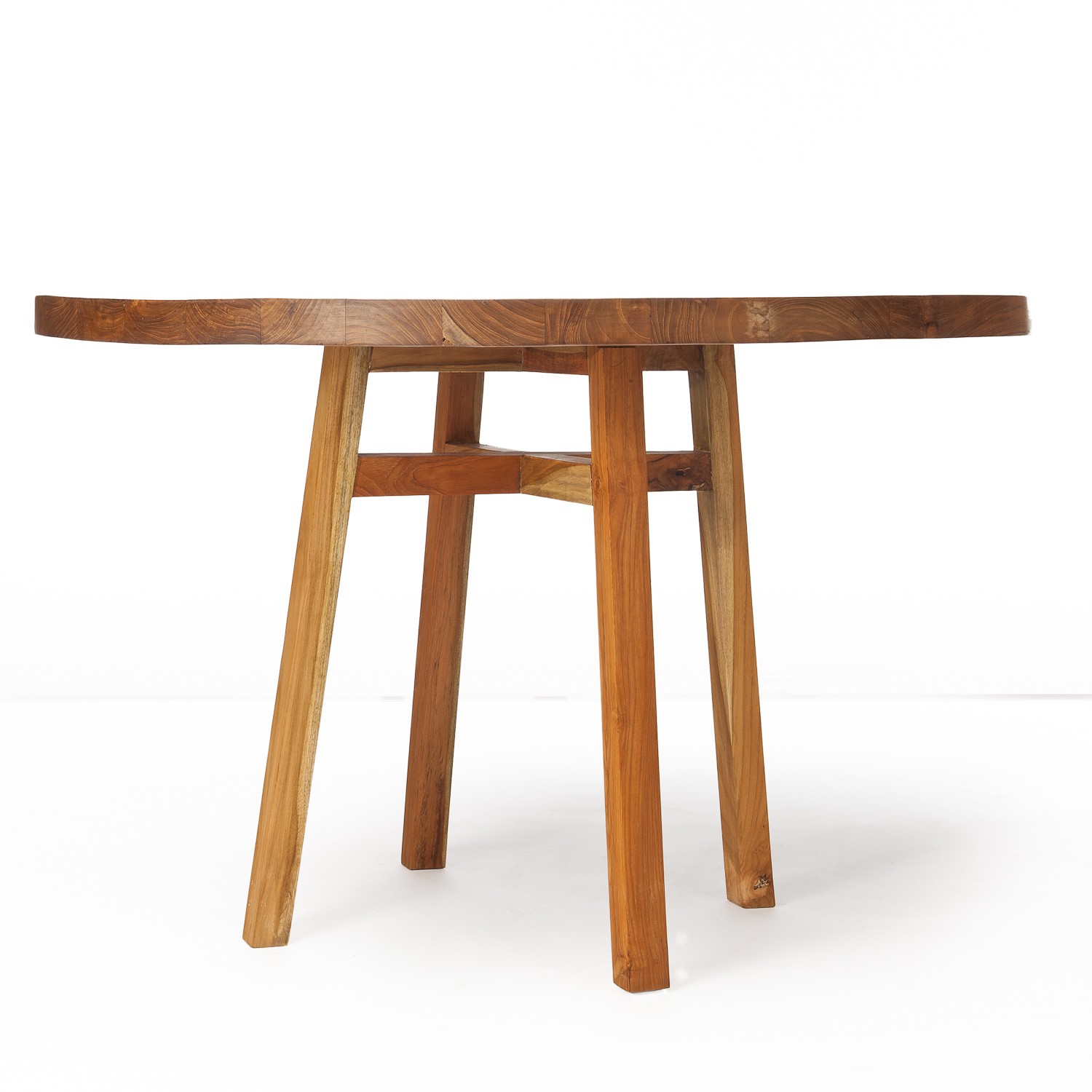
A timber base softens the raw cement appearance, while powder-coated steel creates a sharper workshop-inspired profile. Black steel legs are widely available through Australian hardware suppliers, including Bunnings, and can be paired with spotted gum, Tasmanian oak or recycled hardwood for a local material reference.
Build a leakproof mould
Cut melamine board for the base and four sides, checking every measurement before assembly. Seal the internal corners with a neat bead of silicone so the wet mix cannot escape. Apply a thin mould-release product or wipe-on vegetable oil to the surfaces, avoiding puddles that could mark the concrete.
For a rectangular top, add a simple steel mesh or galvanised reinforcing grid inside the mould. Keep it suspended in the middle of the slab with small spacers rather than resting it on the base. Rounded corners can be formed with flexible edging, while a square mould gives the cleanest industrial silhouette.
Mix and cast the concrete
Use a fine concrete or benchtop mix for a smoother surface and fewer large stones. Measure water carefully, because an overly wet mix can weaken the slab and increase surface cracking. Add the concrete in layers, tapping the mould sides with a rubber mallet or vibrating the board gently to release trapped air.
Wear gloves, eye protection and a suitable dust mask when handling dry cement. Once levelled with a straightedge, cover the mould with plastic and allow the top to cure slowly. In hot weather around Adelaide or inland New South Wales, keep the slab shaded and lightly protected from rapid drying.
Finish the surface for daily use
Remove the mould only after the concrete has cured sufficiently, following the product instructions rather than relying on the surface appearance. Ease sharp edges with fine abrasive paper or a diamond pad. Pinholes can be left visible for a rawer finish or filled with a cement-based slurry for a more refined surface.
A penetrating concrete sealer helps resist coffee, red wine and oily marks. Choose a low-sheen product if you want a natural stone-like appearance, and check that it suits indoor use. Homes near the Gold Coast or exposed coastal areas may benefit from extra attention to moisture and salt-laden air, even when the table remains indoors.
Style the finished table
Balance the visual weight of concrete with soft furnishings, pale timber and greenery. A wool rug, linen sofa and rounded ceramic vessels prevent the room from feeling too severe. For flexible entertaining, a pair of smaller pieces can be more useful than one oversized slab; these ideas for nesting tables show how layered surfaces can work in compact spaces.
Keep accessories light and movable so the table remains useful for meals, board games and remote controls. A low timber tray protects the sealed top while adding warmth, and a slim lower shelf can hold books or baskets without turning the design into bulky storage. For broader furniture proportions, explore these dining table ideas when matching the coffee table to an open-plan kitchen or dining zone.
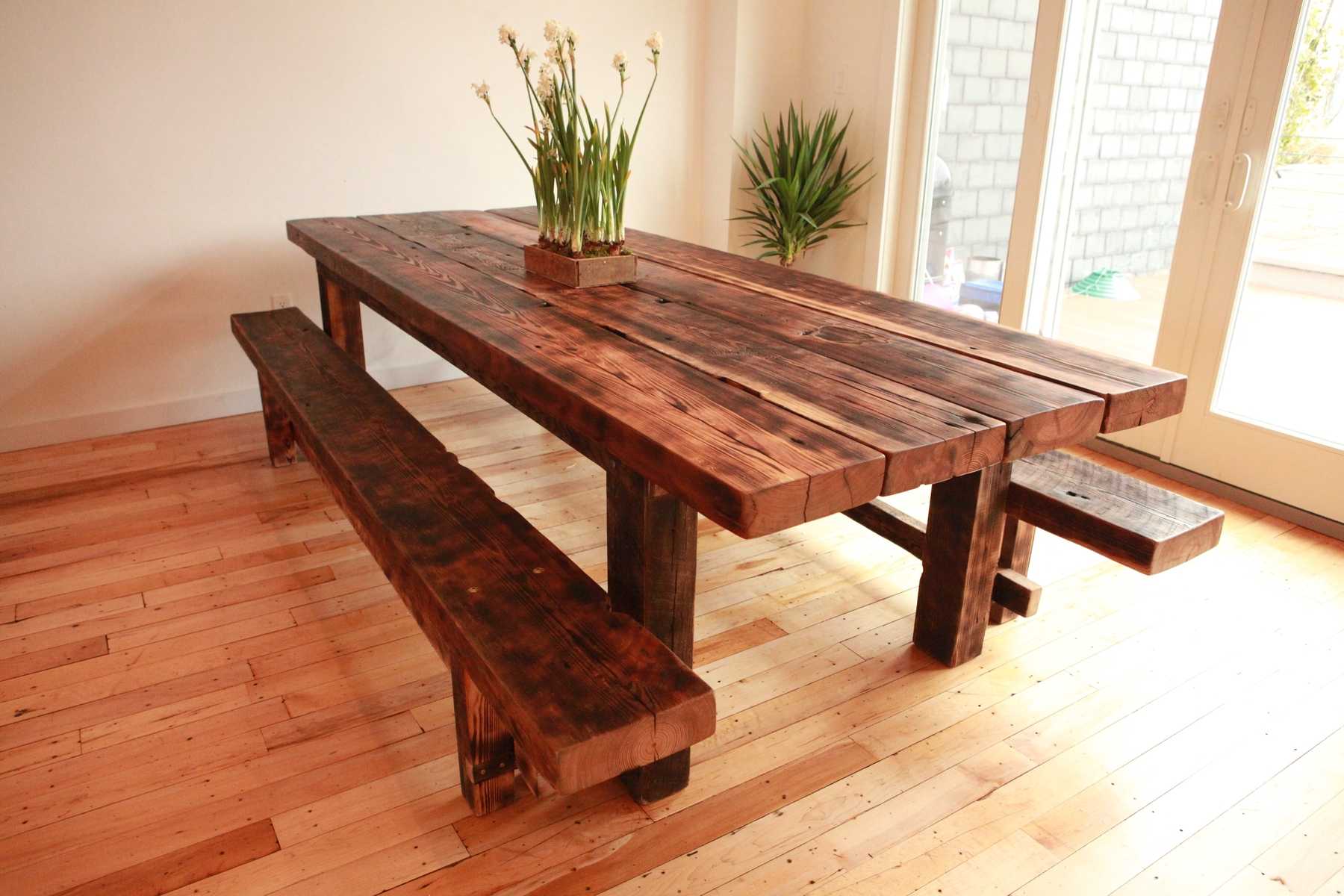
A live-edge timber base or shelf can introduce organic contrast to the precise concrete top. The combination suits relaxed Australian interiors, from a renovated Queenslander to a contemporary home in Canberra. These live-edge table ideas offer useful direction on pairing irregular timber with modern finishes.