Outdoor bistro tables for cosy patio breakfast nooks
A small patio can become one of the most useful areas of an Australian home when it is arranged for slow breakfasts, morning coffee and a bit of fresh air. A compact bistro table gives the space a clear purpose without overwhelming a balcony, courtyard or verandah.
The best breakfast nook balances comfort with practicality. It needs enough room for two mugs, a plate of toast and perhaps a bowl of fruit, while remaining easy to fold, shift or clean after a windy day. Shape, surface material and shade are just as important as appearance.
Outdoor furniture also has to cope with local conditions. Strong sunlight, sudden rain, coastal salt and dust from dry weather can quickly expose weak finishes. Choosing thoughtfully means the table remains inviting through summer entertaining and cooler winter mornings.
Choose a scale that suits the setting
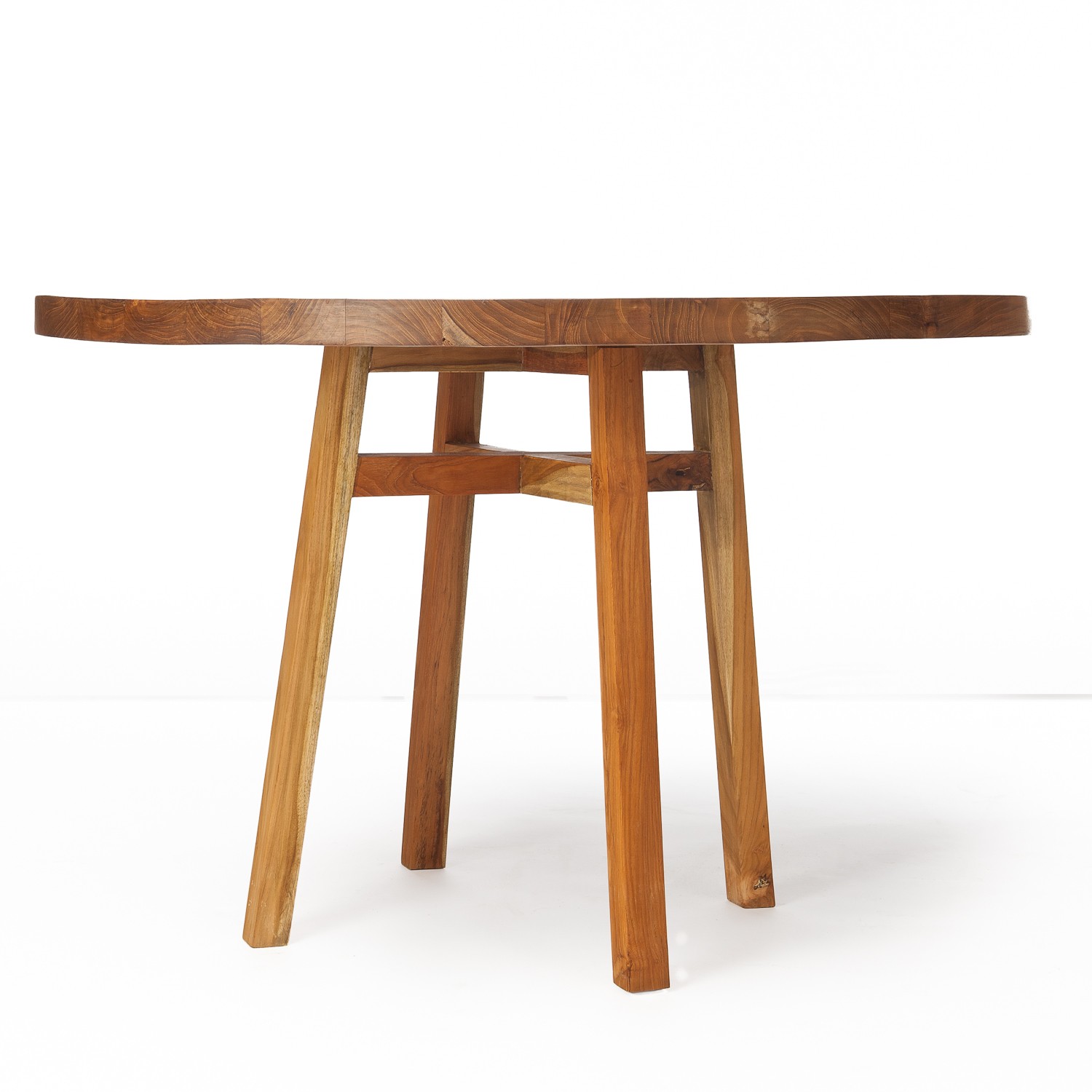
A round café table between 60 and 75 centimetres wide is often enough for two people. Its curved edge makes movement easier in a narrow passage and avoids sharp corners near sliding doors. For a balcony in an apartment or terrace home, a smaller pedestal base can provide more legroom than four corner legs.
A square table works well in a sheltered courtyard, particularly when it can sit against a rendered wall or timber screen. Before buying, measure the table footprint plus space for chairs to pull out. Allow a clear walkway to the barbecue, laundry door or garden gate rather than filling every spare centimetre.
If your nook doubles as a compact dining area indoors, these round table ideas can help with proportion and circulation. The same principles apply outside, where a few extra centimetres can determine whether the space feels relaxed or cramped.
Pick materials for Australian weather
Powder-coated aluminium is a dependable choice for many patios because it is light, rust-resistant and easy to move when the afternoon sun shifts. Look for a durable outdoor coating and inspect joins, feet and fasteners. Stainless steel hardware is especially useful near the coast, where salty air can corrode ordinary metal.
Hardwood creates a warmer, more natural look. Spotted gum, blackbutt and teak-style timbers suit Australian garden settings, though timber needs regular cleaning and oiling to retain its colour. A glass tabletop can make a small nook appear open, but it will show fingerprints, pollen and water marks more readily than textured laminate or sealed stone.
In hot inland areas, a pale tabletop can feel less harsh under the sun, while a darker finish may suit a shaded verandah beneath a Queenslander-style home. For homes near the beach, choose materials that can handle salt spray and rinse furniture occasionally with fresh water.
Add shade, comfort and morning character
A compact cantilever umbrella or wall-mounted awning can transform a sunny breakfast corner. Position the shade so it protects faces during the low morning sun, not just the centre of the table at midday. A nearby screen, tall planter or outdoor blind can reduce glare without blocking breezes.
Chairs should support an upright but comfortable posture. Bentwood-style outdoor chairs, woven seats and slim folding chairs all suit a bistro setting, while removable cushions add colour and softness. Select quick-dry fabrics in earthy tones, eucalyptus green or muted coastal blue, and bring cushions inside when rain is likely.
For an easy Australian touch, pair the table with a terracotta pot of rosemary, mint or lemon thyme. Keep fragrant plants away from the main seating path, and remember that open food can attract flies and ants during warmer months. A lidded storage box or nearby kitchen shelf keeps napkins, placemats and serving pieces close at hand.
Make a small table work harder
A drop-leaf or folding bistro table is useful when the patio serves several purposes. It can stay open for brekkie, then fold flat for yoga, gardening or entertaining. A narrow console-style table may work along a wall, offering space for coffee in the morning and a drinks station at dusk.
Nesting furniture is another smart solution when guests arrive. Smaller side tables can separate for extra plates or tuck beneath the main surface when the nook is quiet. This flexible seating guide explores how layered table sizes can support changing layouts without making a patio feel crowded.
Storage should be close but protected. A weather-resistant bench with a lift-up seat can hold cushions, while wall hooks keep folding chairs off the floor. Avoid placing timber furniture directly on damp paving; rubber feet or furniture glides improve airflow and reduce staining.
Style the nook for everyday use
Keep the tabletop simple enough for daily life. A washable runner, enamel mugs and a small tray create a welcoming setting without requiring a full reset after every meal. Choose accessories that can withstand a breeze, especially in exposed coastal suburbs or elevated homes where wind moves quickly across balconies.
Local availability can influence the final choice. Australian retailers commonly offer outdoor tables in metric dimensions, flat-pack formats and finishes suited to alfresco areas, while second-hand marketplaces can be excellent sources for older café tables ready for repainting. Check replacement parts and warranty terms before buying a design that relies on specialist hardware.
If you need help selecting proportions, materials or a coordinated table arrangement, you can request design guidance for a more tailored direction. With the right scale, shade and storage, even a modest patio can become a calm spot for coffee, toast and conversation.