Reclaimed wood pedestal tables for eco-friendly Australian dining
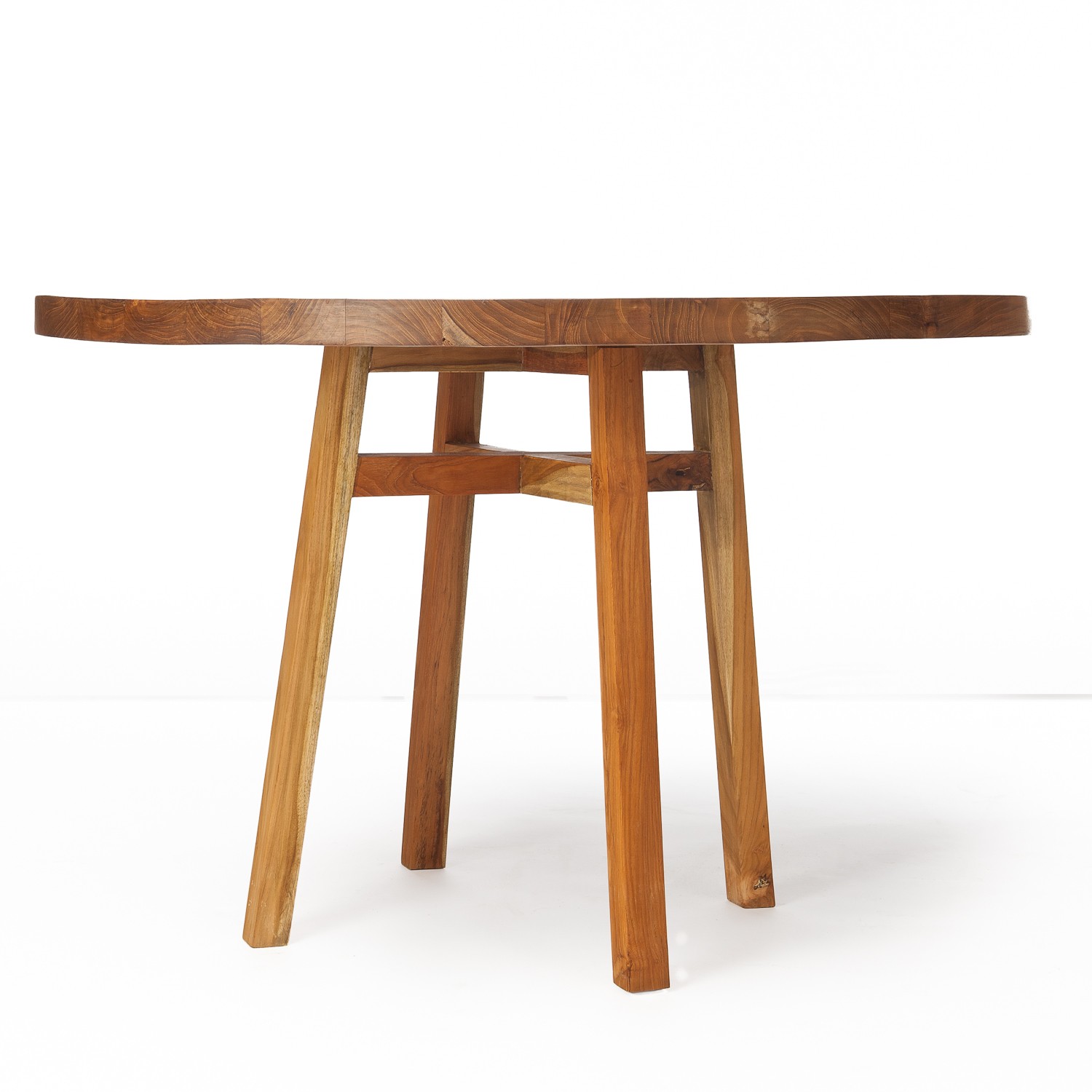
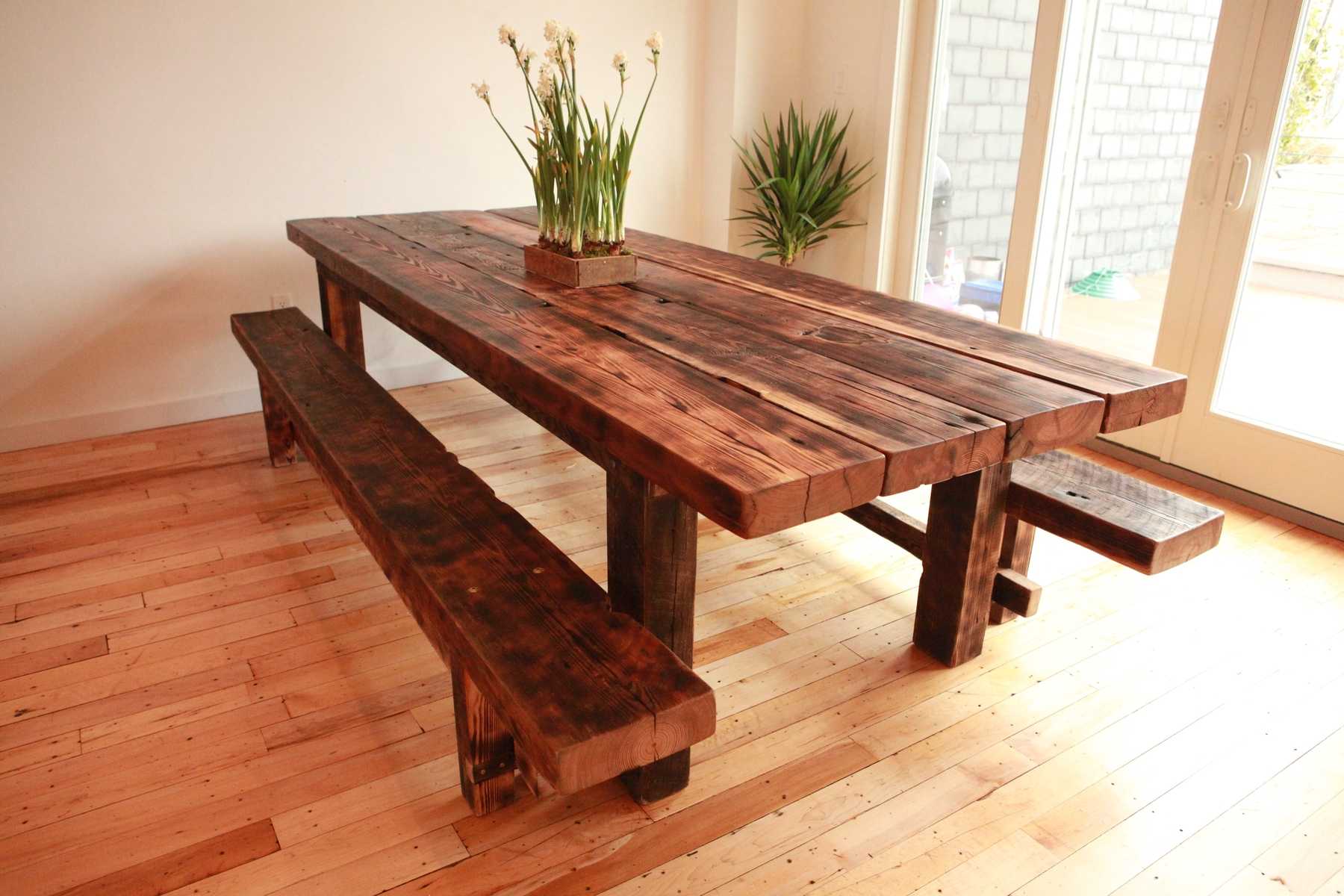
Reclaimed wood pedestal tables have become a quiet centrepiece in Australian homes that want character without compromising on environmental values. Designers turn old floorboards, bridge beams and demolished verandah posts into dining tables by pairing them with a single sculptural base, letting history live in every knot and groove.
Across Sydney warehouses, Melbourne laneway workshops and Brisbane hinterland studios, makers pull rescued boards from heritage renovation sites. The trend reflects an appetite for slow furniture, where provenance matters as much as finish. Australians also read labels more carefully, leaning on local certifications that verify low-emission adhesives and responsibly salvaged stock.
A pedestal base amplifies the beauty of reclaimed planks. It removes the visual clutter of four corner legs and lets the grain flow uninterrupted across the top. For households weighing sustainability against everyday practicality, the format offers a balance of rustic honesty and architectural finesse.
Timber from Australian demolition sites
Many reclaimed boards started life in Victorian workers' cottages in inner Melbourne, post-war fibro homes around Western Sydney, or Queenslander verandahs replaced during cyclone repairs. Common species include jarrah, blackbutt, spotted gum and ironbark — hardwoods that weather beautifully and resist dents of family life. Ironbark often comes from old bridge decking, while spotted gum turns up in demolished school halls across Brisbane's western suburbs.
Each board arrives with nail holes, weather stains or paint traces that sign its lineage, sparing buyers the guilt of newly milled tropical hardwood. Workshops such as Sydney's Renew Timber Co and Melbourne's Huntress Timberworks have normalised the practice of saving beams from landfill. Buyers now request a photo ledger of where their tabletop originated, turning each piece into a small archive.
Pedestal silhouettes that elevate rough grain
Pedestal bases come in far more shapes than the classical turned column. Reclaimed dining tables often pair an irregular slab with a faceted timber column, a trio of splayed legs meeting at a central node, or a sculptural bundle of offcuts fused together. Blacksmiths in Adelaide and Fremantle build steel pedestals from reused I-beams and rusty gas-pipe offcuts, handling a six-seat jarrah top without losing warmth.
For households weighing a dining table against a bulky four-leg setup, the pedestal format frees up seating on every side and softens visual weight in compact rooms. Scale decisions for adjoining pieces follow the same logic, and the coffee table scale guide translates surprisingly well to dining tops set within combined living areas.
Sourcing reclaimed timber responsibly
Not every "reclaimed" label tells the full story, so Australian buyers ask about chain-of-custody documentation. Look for businesses that disclose the demolition address, species, and whether boards have been tested for residual lead paint or treated pine contamination. Councils in parts of New South Wales and Victoria flag demolition waste categories that must be diverted from landfill, encouraging legitimate salvage.
Independent certifications such as GECA and FSC Reclaimed Wood add weight to marketing claims. Reputable workshops kiln-dry or heat-treat rescued boards to kill insects hidden in old sapwood, important near national parks where termite activity is monitored. Commissioning a custom piece usually starts with direct contact, and a designer's contact page often unlocks offcut lists not listed online, including small batches of wharf planks and verandah offcuts.
Pairing with low-impact dining room finishes
Reclaimed timber deserves finishes that do not shout. Hard wax oils from Australian makers such as Whittle Waxes sit gently on the surface, highlighting grain rather than sealing it beneath a plastic-feeling lacquer. Water-based low-VOC options keep indoor air cleaner during long winter dinners. A jute or wool rug underneath anchors the setting and softens chair noise on polished concrete or blackbutt flooring.
Lighting is another quiet ally. Warm dimmable pendants hung around seventy to eighty centimetres above the tabletop flatten harsh reflections and bring out the depth of aged grain. Pendants with recycled glass shades or locally thrown ceramic bodies extend the sustainability story beyond just the table itself.
Caring for reclaimed surfaces in Australian climates
From Darwin's humid wet season to Hobart's cold mornings, reclaimed timber responds to its environment more openly than factory-laminated boards. Direct sun through west-facing windows can bleach jarrah over a single summer, so position the table away from unfiltered afternoon glare or use linen sheers.
Coastal homes from Byron Bay to the Mornington Peninsula benefit from regular waxing because salt air draws moisture from open grain. In bushfire-prone fringes around the Dandenong Ranges or the Adelaide Hills, keep reclaimed timber clear of open fireplaces and log burners. Radiant heat seasons wood unevenly, so a simple hearth screen offers protection from stray sparks as well.
Hosting with a statement sustainable table
A reclaimed pedestal table invites a slower style of entertaining. Its irregularities start conversations, especially when guests recognise the species from a verandah their grandparents once owned. Some hosts keep a small framed card noting the timber's origin and the year the original building was raised.
For long lunches drifting into candlelit dinners, slide a bench on one side and pull-up chairs around the remaining edges, ideal for the Australian habit of friends dropping by unannounced. Layer the table with linen runners and stoneware rather than fragile pieces, suiting relaxed communal dining. The same pedestal logic extends across the home: changing tables share the structural idea of a single supportive column under a compact top, and the changing table guidance covers balance, weight and material choices that inform most pedestal purchases.