Sculptural Side Tables: Elevate Your Living Room with Artistic Flair
A sculptural side table is more than a place to rest a coffee cup. It is a small piece of furniture that doubles as an object of design, often shaped by hand or drawn from the same vocabulary used by sculptors and ceramicists. In a living room where art already lives on the walls, a sculptural side table brings that same expressive energy down to floor level, anchoring a sofa or armchair with a quiet but undeniable presence.
Across Australia, where many homes in Sydney and Melbourne lean toward compact apartment layouts, these compact statement pieces earn their keep twice over. They free up floor space while delivering the visual punch of a much larger artwork, which makes them especially welcome in inner-city terraces, coastal homes in Byron Bay, and open-plan renovations in Brisbane. The appeal is practical as much as aesthetic, since a single sculptural accent can carry an entire corner of a room.
Why sculptural side tables work as functional art
Functional art is a category that blurs the line between furniture and gallery object, and sculptural side tables sit comfortably at its centre. Designers often treat the table top as a canvas and the base as a sculpture, producing pieces that look as though they could stand alone in an exhibition at the National Gallery of Victoria. The result is furniture you appreciate visually before you ever use it.
In an Australian living room, this blend of purpose and beauty solves several design problems at once. It replaces the need for extra decorative objects, which is helpful in compact Fitzroy apartments or Sydney studios where clutter accumulates quickly. It also reflects the country's growing appetite for design-led living, a trend visible at events such as Melbourne Design Week and Saturday finds at the Rosebery markets.
Material choices that shape the mood
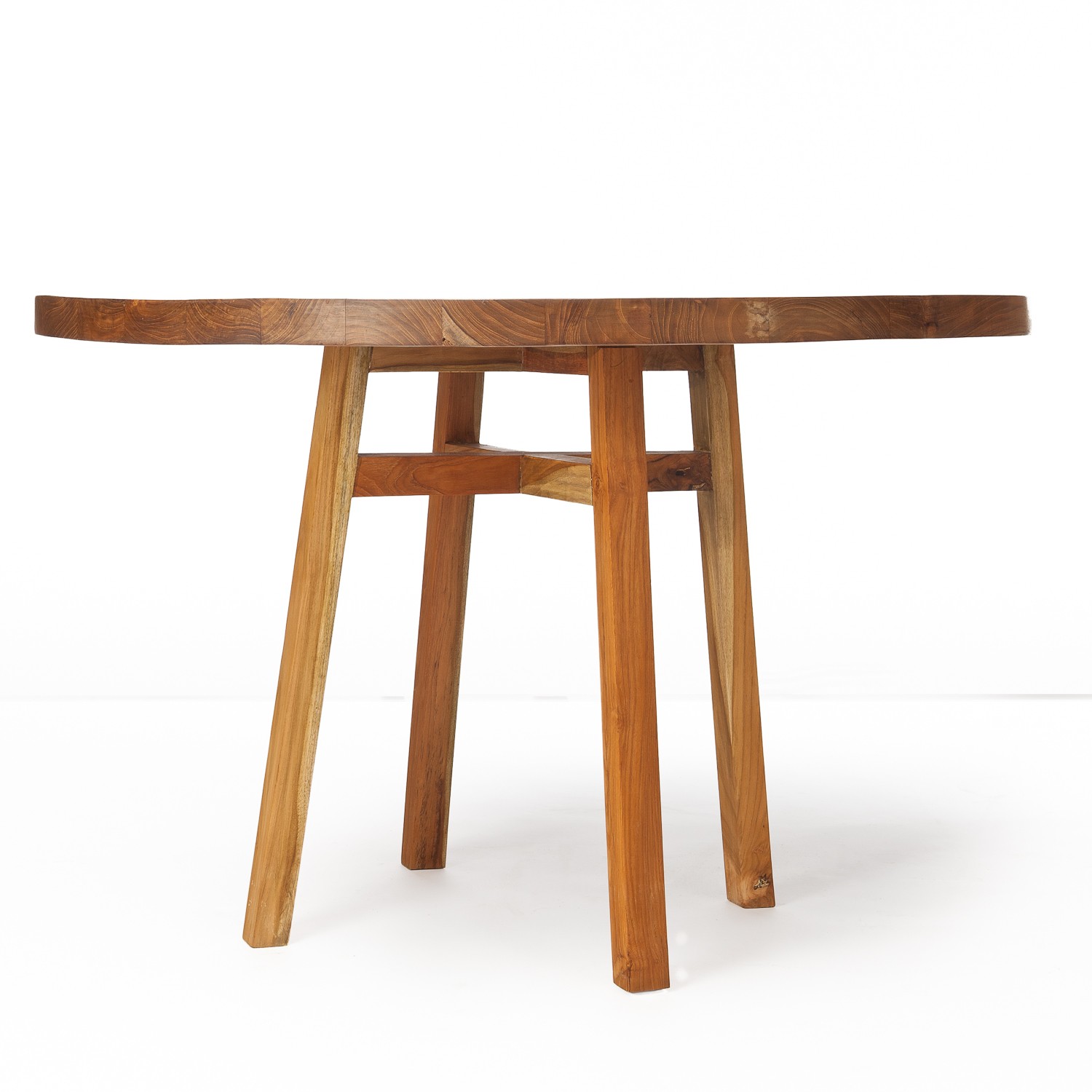
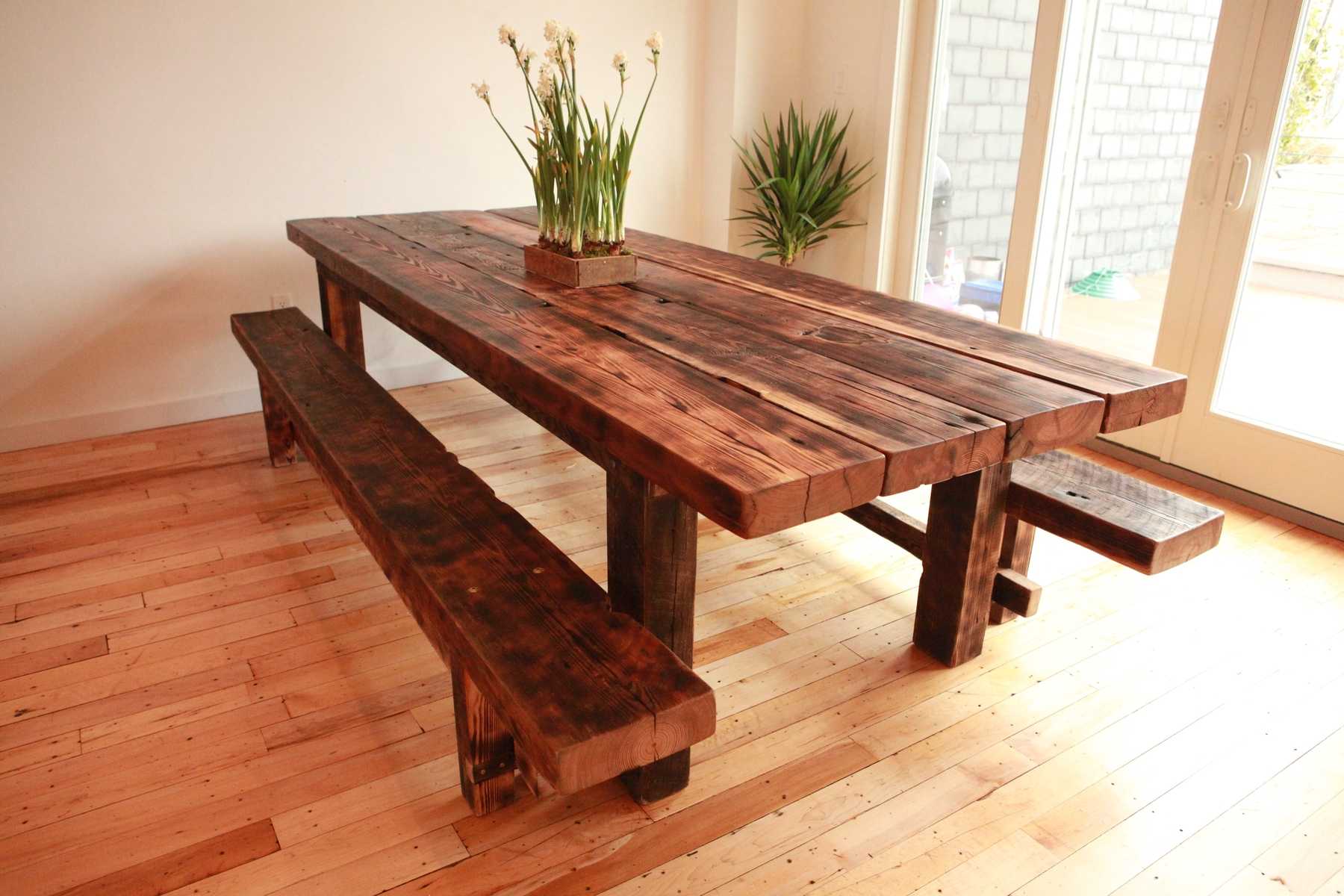
The material of a sculptural side table dictates both its weight in the room and how it ages over time. Marble and stone offer a cool, classical gravitas. Solid timbers such as Tasmanian oak or spotted gum bring warmth and a distinctly Australian grain. Concrete and fibre-reinforced composites feel modern and architectural, while patinated brass or blackened steel introduce an industrial edge.
| Material | Visual character | Best room pairing | Care consideration |
|---|---|---|---|
| Marble or stone | Cool, luxurious, heavy | Formal lounges, heritage homes | Needs sealing; wipe spills fast |
| Solid hardwood | Warm, organic, tactile | Coastal, mid-century, rustic | Oil occasionally; avoid harsh sun |
| Concrete or composite | Brutalist, architectural | Industrial, minimalist apartments | Seal porous surfaces |
| Patinated metal | Sleek, edgy, refined | Modern, gallery-style rooms | Buff to maintain finish |
For anyone drawn to stone surfaces, this marble coffee table care guide walks through sealing routines, stain prevention, and the small habits that keep the surface luminous year after year. The same principles apply whether the marble appears on a coffee table or a small side perch beside a reading chair.
Shapes and forms that anchor a room
Form is where sculptural side tables really earn their name. Some pieces lean organic, with curved, almost pebble-like silhouettes that soften a room filled with straight lines. Others take a geometric stance, stacking spheres, cubes, or toruses in arrangements that read as small still-life compositions. There are also biomorphic designs that mimic tree trunks, shells, or driftwood, often hand-finished so no two pieces are identical.
In living rooms with low-slung sofas, taller plinth-style tables echo the vertical lines of the furniture and create a pleasing counter-rhythm. With deeper, lounge-style seating, a low, rounded form in front of or beside the chair feels more conversational. The trick is to match the energy of the shape to the energy of the room rather than fighting it.
Styling sculptural tables in Australian homes
Placement matters as much as the piece itself. A sculptural side table often looks strongest when given breathing room rather than crowded with objects. A single well-loved book, a small vessel of eucalyptus leaves, or a stoneware cup is usually enough. This restraint also reflects the relaxed Australian approach to living rooms, where the goal is calm visual flow rather than dense display.
Sunlight is another local factor worth considering. North-facing windows in Adelaide or Perth can bleach timber and patina over time, so positioning a timber or leather-trimmed piece away from direct afternoon light will preserve its finish. In coastal homes around the Mornington Peninsula or the Illawarra, salty air can affect unsealed metals, making sealed or powder-coated finishes the safer long-term choice.
Sourcing statement pieces across Australia
Australia has a thriving community of independent makers whose sculptural side tables appear in local studios from Chippendale to Collingwood. Galleries such as those in Melbourne's Fitzroy precinct and Sydney's Paddington regularly showcase limited-edition furniture, and design stores like Cult Design and Grazia & Co carry pieces from both Australian and international designers. For shoppers closer to Brisbane, quarterly open-studio weekends offer a chance to buy directly from makers and see work in progress.
When choosing a sculptural piece, it is worth thinking about how it relates to other tables in the home. If a sculptural side table anchors the lounge, a complementary piece at the dining end can tie the room together. For households weighing larger tables alongside smaller accent ones, this overview of pedestal dining tables for small families offers useful comparisons of footprint, seating capacity, and visual weight. Pairing a striking side table with a quieter dining piece keeps the eye travelling naturally through the room.