Pedestal tables for compact breakfast nooks
A breakfast nook can be a modest kitchen corner, yet it often becomes the busiest meeting place in an Australian home. People grab toast there, children do homework, and a laptop opens beside the morning papers. A pedestal table uses one central support instead of four legs, so chairs can slide in without catching on corners or a nearby wall.
That matters when the nook changes roles during the day. A pedestal base can carry a round or oval top and let seating tuck neatly underneath. The best space-saving pedestal tables for breakfast nooks balance a small footprint with enough surface for cereal, fruit, laptops and a weekly calendar.
Australian conditions shape the choice as much as the floor plan. Sydney and Melbourne apartments often have narrow dining zones, while homes in suburban Queensland and Perth may place breakfast beside a sunny window or back door. Metric dimensions matter, and shoppers commonly compare Bunnings, IKEA Australia, Gumtree and independent makers.
Why a pedestal table fits the corner
The single column is the defining feature of a pedestal table and gives a small room more freedom. Four legs create four obstructions; a pedestal leaves a clearer zone beneath the top, so a chair can be pulled out for a guest or pushed back when the nook needs to hold school bags. It works well where breakfast and study share one space.
A round top also softens a tight room. It has no sharp end to catch on a passing elbow and encourages people to sit close together, which suits a cosy family breakfast. An oval top offers similar flow while seating more people along its length, useful when visitors need room without extending the nook into the kitchen.
Measure the space before choosing a shape
Measure the clear width and length of the nook, then allow for pulling out a chair and walking behind it. As a rough guide, leave about 90 cm from the table edge to a wall or major obstruction. Check doorways, stair turns and the route from the front door too, especially in older Sydney terraces and Melbourne apartments.
For two people, a compact round table around 90–100 cm across can feel generous. An oval or rectangular pedestal can serve three or four in a narrow run, but a storage base may project beyond the top. Australian flat-pack orders also need a delivery plan that accounts for tight hallways, lifts and regional postcodes.
Put storage into the pedestal
A pedestal base can make every centimetre count. Drawers hold cutlery and napkins; a lower shelf stores placemats, board games or textbooks. Some designs include a lift-up top or pull-out tray, but the mechanism should operate smoothly and the base should stay stable when loaded.
That storage suits homes where the dining table also serves as the desk. Baskets and hooks can keep school bags off the floor, while a small drawer keeps cables from tangling under the top. For a nearby play or craft zone, a guide to a child-safe changing table shows how practical storage and child-friendly furniture can work together.
Choose materials for Australian conditions
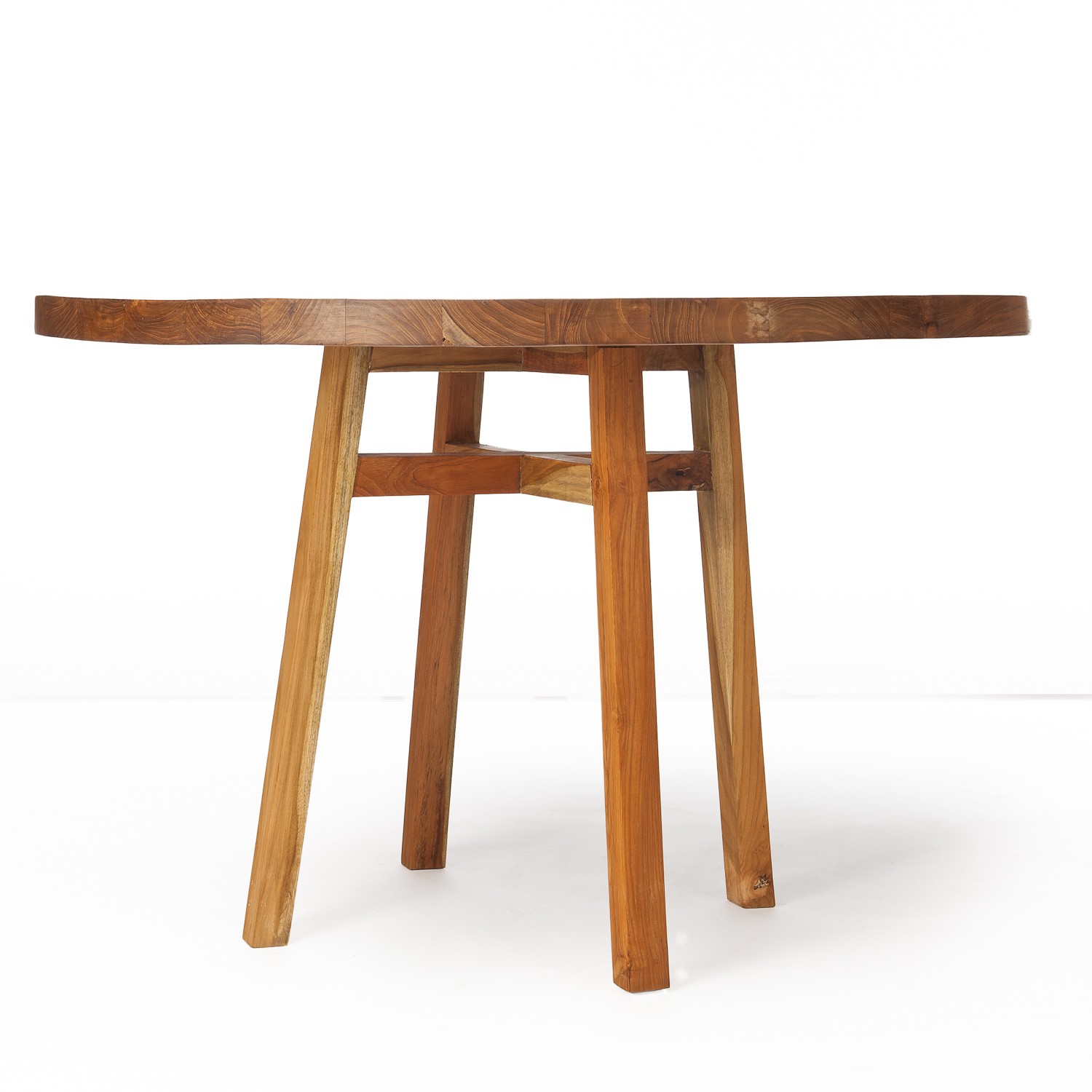
Timber suits many Australian interiors, from pale Scandinavian-style rooms to darker Queenslander settings. Solid timber can be repaired and refinished; quality veneer is a lower-cost option for rental flats and busy family spaces. Seal exposed edges and wipe spills promptly, especially where summer humidity or wet hands are common.
Metal, stone and glass can make a small table feel lighter, though each has a trade-off. Powder-coated metal handles outdoor air and salt, stone feels cool in a warm climate, and glass brightens a room but shows fingerprints. A reclaimed top needs preparation; this guide to vintage coffee table refinishing demonstrates a five-step approach before a salvaged piece returns to service.
Match the style to the house
Contemporary pedestals suit clean kitchen cabinets, while a timber base and rounded edge soften a stark apartment. Mid-century shapes add graphic style without much floor area, and coastal styling can pair a pale top with woven placemats and a natural-fibre rug. Repeating a material already in the room usually creates the most cohesive result.
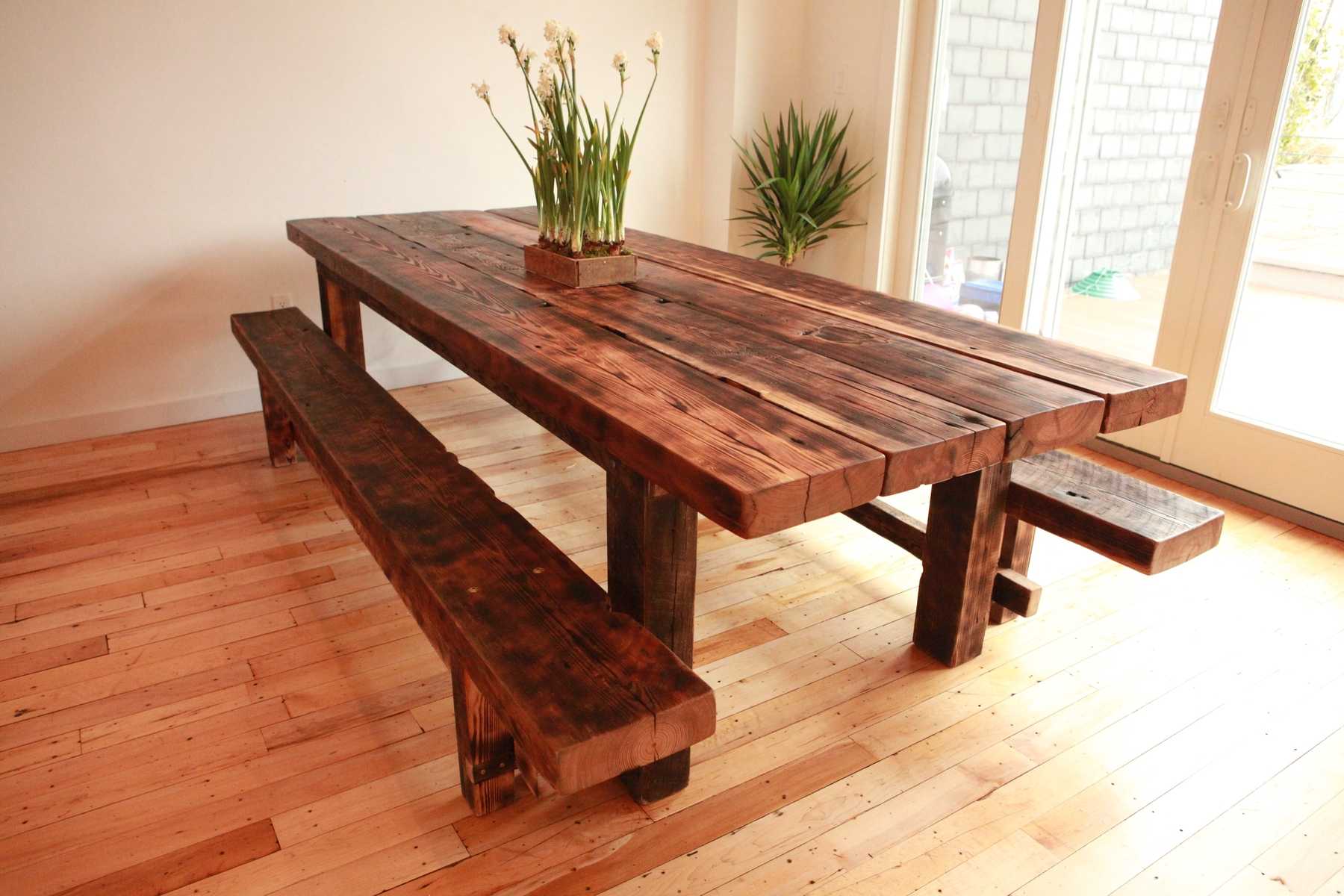
Handmade versions bring another layer of personality. A DIY guide to an upcycled pallet table shows how reclaimed timber can create a relaxed farmhouse look, and local makers often adapt the idea for a compact breakfast table. Check the weight, fixings and stability, since a pallet top is less forgiving of an uneven floor than a balanced pedestal.
Make the nook work every morning
Choose chairs that tuck fully beneath the top and leave a clear path from the kitchen. A small pendant or wall light defines the area without using surface space, while a rug softens noise and protects the floor. For homework, one discreet outlet and a tidy cable route keep the morning scene calmer.
The Australian market spans ready-made options at IKEA Australia and Bunnings, one-off finds on Gumtree and direct purchases from independent furniture makers. Check delivered dimensions, assembly requirements and the return policy before paying. In humid Brisbane, favour a finish that wipes easily; in a coastal home, choose corrosion-resistant hardware; in cool Melbourne, solid timber offers a warm, durable centre.