Pedestal Table Shapes for Uneven Australian Floors
The best pedestal table shapes for wobbly or uneven floors can make dining feel solid even when the building beneath it is not. A pedestal gathers the load around one central column, reducing the chance that separate legs will land at different heights. That advantage is especially useful in older Sydney terraces and Brisbane cottages, where settled timber boards or a slightly sloping subfloor can leave ordinary four-leg tables rocking. Learn more about Pedestal Dining Tables For Small Families Pros And Cons.
Shape affects how weight is distributed and how much the top can flex, but the base matters just as much. Round and oval tops suit compact dining rooms, while square and rectangular versions can make a narrow lounge room look more ordered. In Melbourne and Adelaide renovations, large-format tiles or polished concrete may appear visually flat yet still vary enough to challenge a flat-footed base. Learn more about Kimberlyvanmeter.com.
Round pedestals for flexible dining spaces
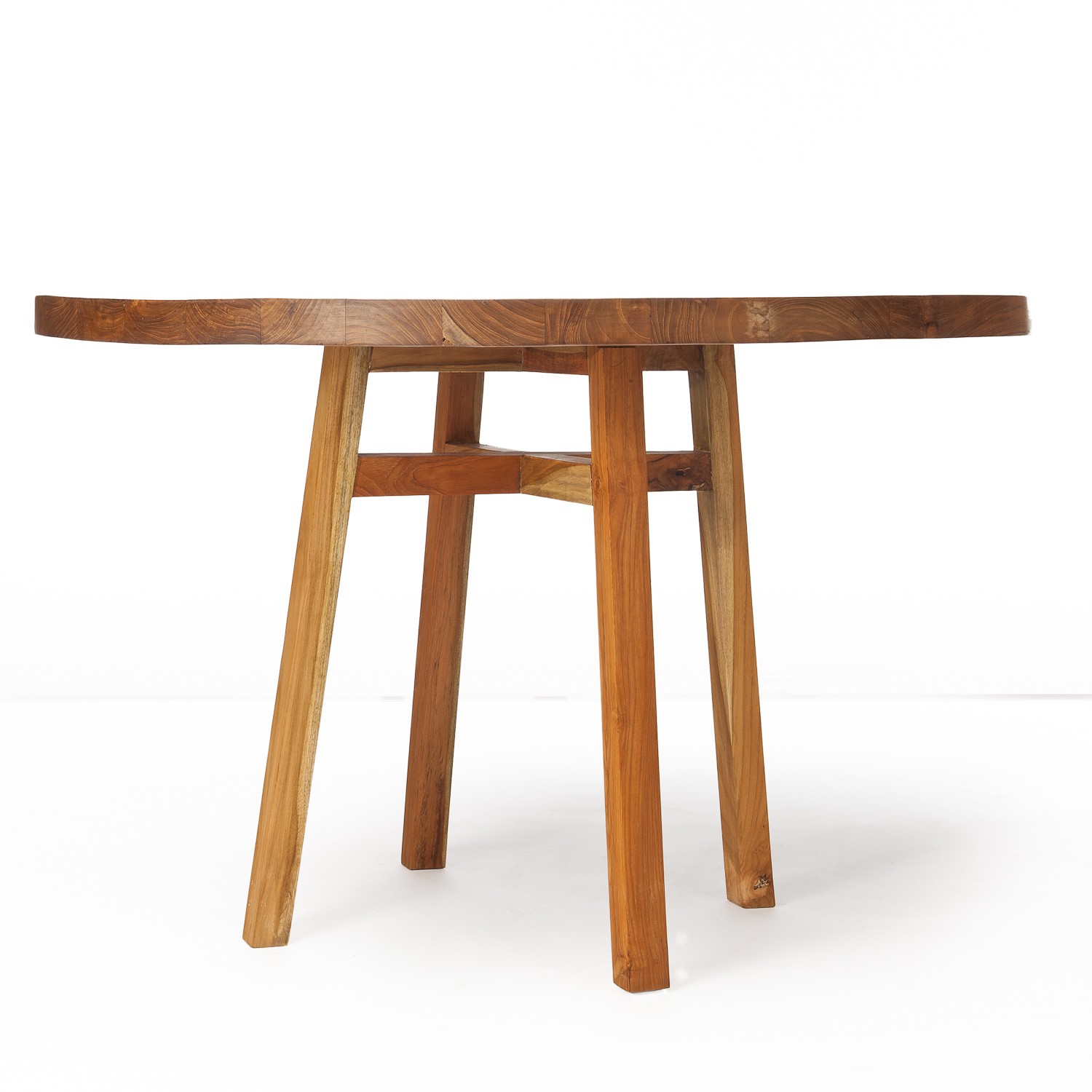
Round pedestal tables are usually the most forgiving choice because their weight is evenly distributed around the column. They also remove sharp corners from circulation paths, making them practical for apartments, family dining rooms and homes where chairs need to move in and out freely.
A broad circular or cross-shaped base improves stability further. Ideally, it should have three independently adjustable feet: once all three touch the floor, they form a stable plane rather than rocking between four corners. A heavy base also reduces the chance of the upper section tipping when someone leans across the table.
For a family-focused comparison of compact pedestal designs and their drawbacks, this pedestal dining table guide explains how proportions affect everyday use. Round tops do, however, provide less usable edge space for large place settings than square or rectangular tables of the same diameter.
Oval and boat-shaped pedestals for narrow rooms
Oval pedestal tables combine a generous dining surface with a smaller visual footprint than a rectangular table. Their curved outline works well in a narrow room, and the longer centre section gives opposing diners comfortable space without forcing every seat around a corner.
Boat-shaped tops offer a similar conversational layout, with tapered ends that make the table feel less formal. The narrow ends can introduce flex or reduce stability if the pedestal is undersized, so these tables need a weighted base with a wide footprint. Adjustable feet are particularly valuable on tiled floors, where a small lip can be enough to make a top wobble.
Neither shape should be judged by its outline alone. Check that the top’s overhang remains modest relative to the base, then look for a low centre of gravity. On uneven boards, a rounded pedestal with three broad floor-safe glides can outperform a more angular design with only a narrow central support.
Square pedestals with softened corners
Square pedestal tables create a strong architectural look and can make an awkward room feel balanced. A conventional square top may catch on chairs or walls, so clipped corners or generous rounding offer a safer alternative without losing the clean geometry.
For stability, the base should be at least as wide as the central dining area of the top. A broad pedestal allows chairs to tuck in without their feet striking the support, while a three-point adjustable base can accommodate changes in floor level. The corners of a square top may move more noticeably than its centre if the base is too small.
This format works well in an Australian lounge room that doubles as a dining area, especially when paired with a round-edged table. Its straight sides suit rectangular placemats and provide more surface area for serving, although a wide square top can feel visually heavy in a compact space.
Rectangular pedestals for long dining tables
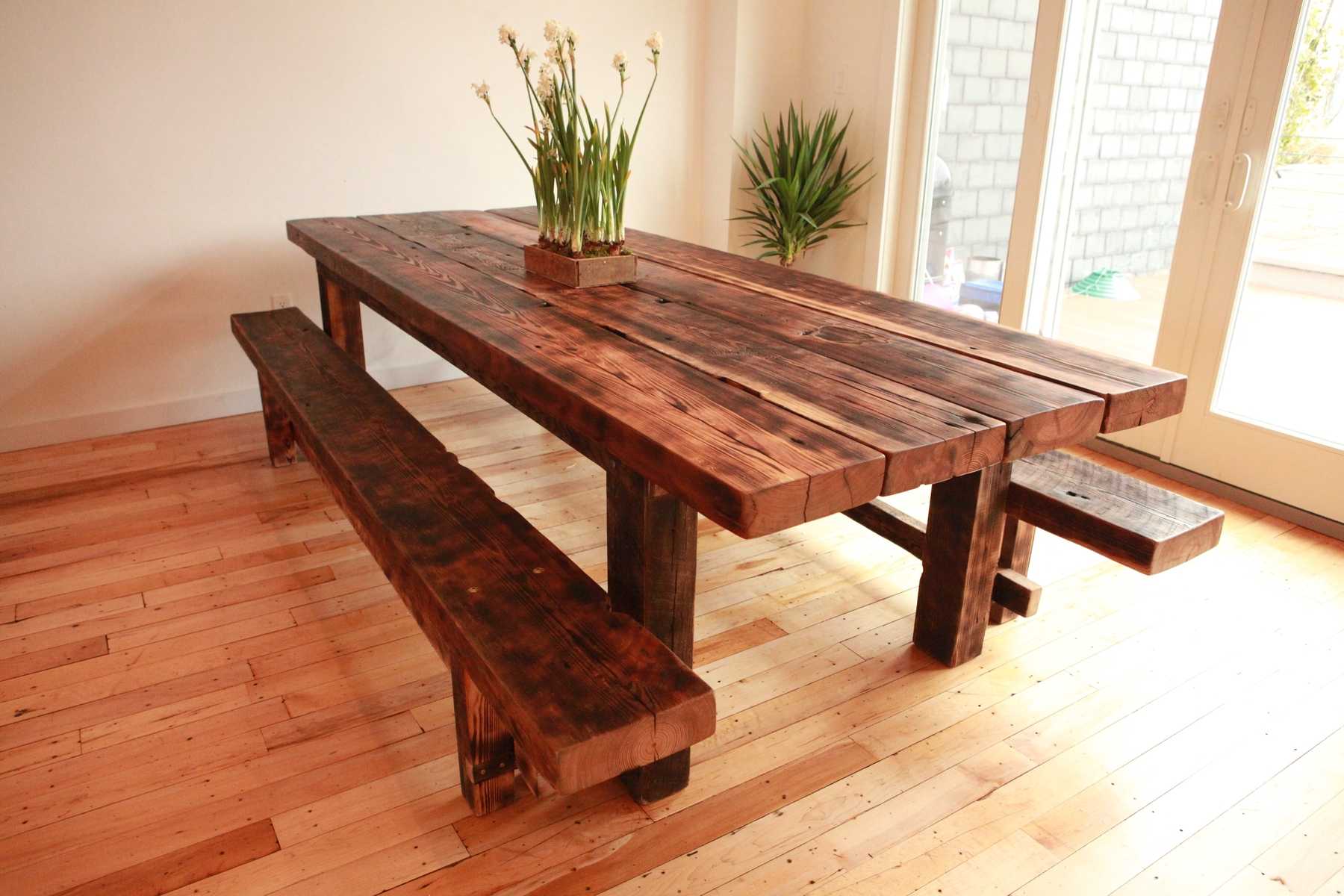
Rectangular pedestal tables suit open-plan dining areas and larger households, particularly at the 1600–1800 mm sizes commonly sold in Australia. A short rectangular top can still use one central column, but a long version needs a reinforced base or two pedestals to prevent the ends and centre from moving independently.
A narrow pedestal creates more leg room but increases the amount of top overhang. That overhang can flex when someone pushes down near an end, giving the impression that the whole table is unstable. Wider trestle-style pedestal bases or double-column frames control this movement, provided every foot can be levelled individually.
Uneven floors are especially noticeable along the length of a rectangular top. Orienting the base parallel with the direction of the floor variation may help, but adjustable glides and a rigid frame remain the reliable solution. Outdoor dining rooms and covered alfresco areas also benefit from pedestal designs because there are fewer legs to settle on irregular paving.
Choosing a stable base for the floor beneath
Before choosing a tabletop shape, check whether the movement comes from the table or the floor. Press gently along different edges and corners with nobody seated. A table that rocks in one direction usually needs levelling feet, while twisting that changes when the top is turned may indicate loose fixings or a warped top.
Threaded levelling feet, rubber pads and floor-safe glides are readily available from Australian hardware suppliers such as Bunnings and Mitre 10. Broad polymer pads suit timber floors, while non-marking glides protect ceramic tiles and polished concrete. For further design comparisons across table types, Boundless Table Ideas provides a practical reference for balancing shape, storage and stability.
A round or gently oval top on a broad three-point pedestal is usually the safest all-round combination for an uneven dining room. Longer rectangular tables can work equally well when their frame is reinforced, their overhang is controlled and each floor contact point can be adjusted independently.