Choosing a coffee table for a sectional sofa: shape and access
A sectional—often called a modular or corner couch in Australia—changes the geometry of a lounge room. Its chaise, corner seat or flexible layout can push the centrepiece into a walking route, so the best design must serve the entire seating arrangement rather than look balanced from only one angle. Learn more about Keno Cash Out Fast.
Shape is the first decision for the coffee table because it controls reach, circulation and visual weight. A round top softens the strong lines of an L-shaped sofa, while a long rounded rectangle creates a useful ledge for books, trays and shared drinks. Learn more about The Pros And Cons Of Metal Pedestal Tables In High Traffic Areas.
Access is equally important. Leave enough room to sit down, cross the room and lift items from the surface without scraping the sofa or squeezing past a projecting corner.
For Australian homes, that calculation often happens in compact Sydney and Melbourne apartments, open-plan spaces beside outdoor entertaining areas, and warm living rooms where the coffee table also holds refreshments for a barbecue.
Shape the design around the sectional
Start by mapping the sectional footprint. Mark the front edge of each seat, the depth of the chaise and the likely entry points. This reveals whether a symmetrical design will actually be symmetrical in practice.
A round or oval top works well when the sofa wraps around two sides because its lack of corners keeps the approach open. Its shorter reach suits a compact lounge, although a very large diameter can consume valuable floor area.
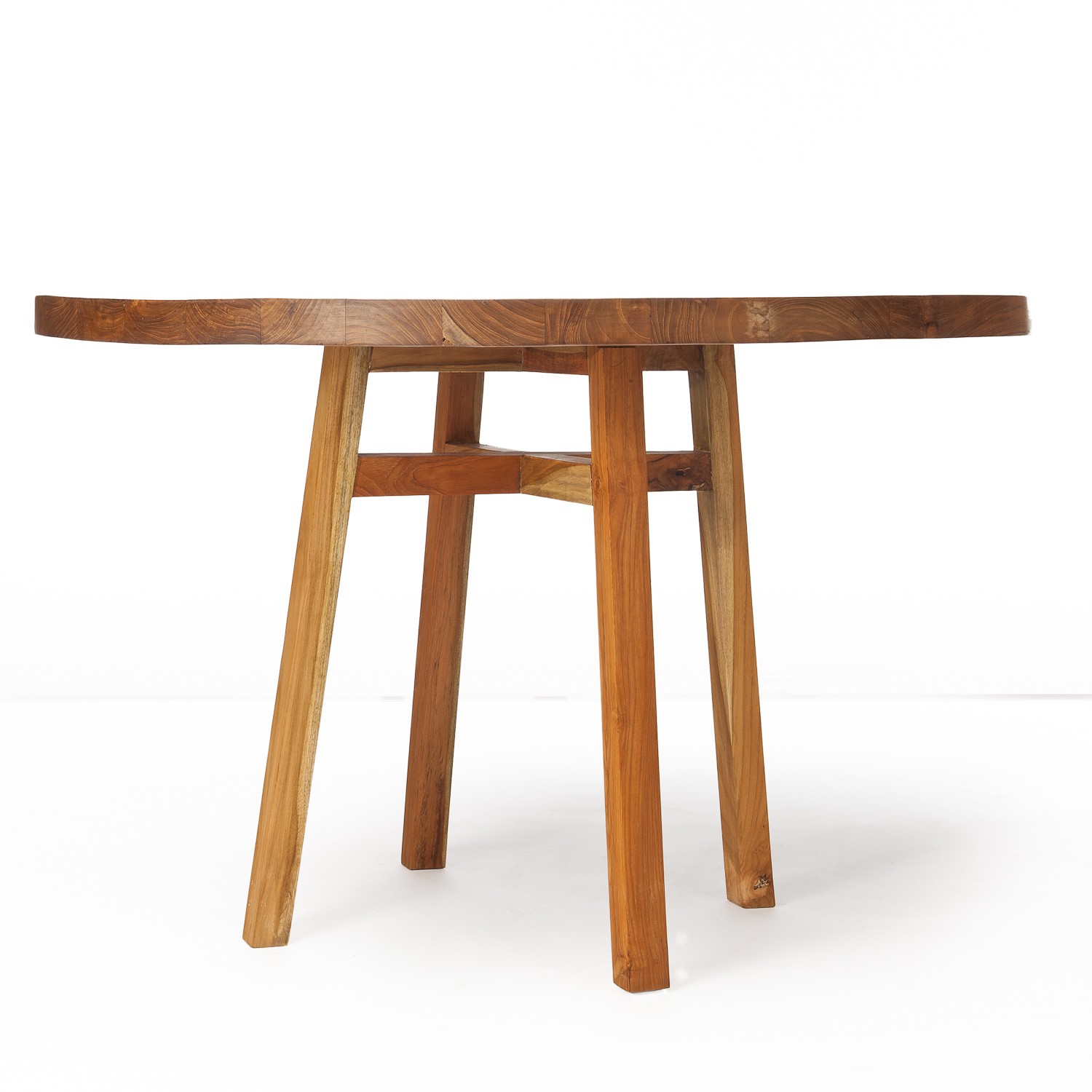
For straight-front sofas, a rounded rectangle usually makes the most sense: it echoes the seat line, holds a tray securely and offers more surface than a square without becoming a traffic barrier. The pedestal and four-leg guide offers a useful comparison for smaller rooms.
Measure reach and walking access
Measure twice, then work in centimetres, as Australian furniture listings normally do. A useful starting point is approximately 40–45 cm high and 30–45 cm from the seat edge for comfortable reach, while main walkways should retain at least 75–90 cm.
Tape the proposed outline on the floor with masking tape. Sit on the sofa, walk past it and open the nearest door. If the outline conflicts with the chaise or a regular route, adjust it before ordering.
Access can improve without increasing the footprint. Nesting tables can separate for serving, a lift-top can become a work surface, and a slim tray table can slide beside the sectional. If you are torn between two shapes, avoid a quick cash-out gamble and compare taped outlines instead.
Choose materials for local conditions
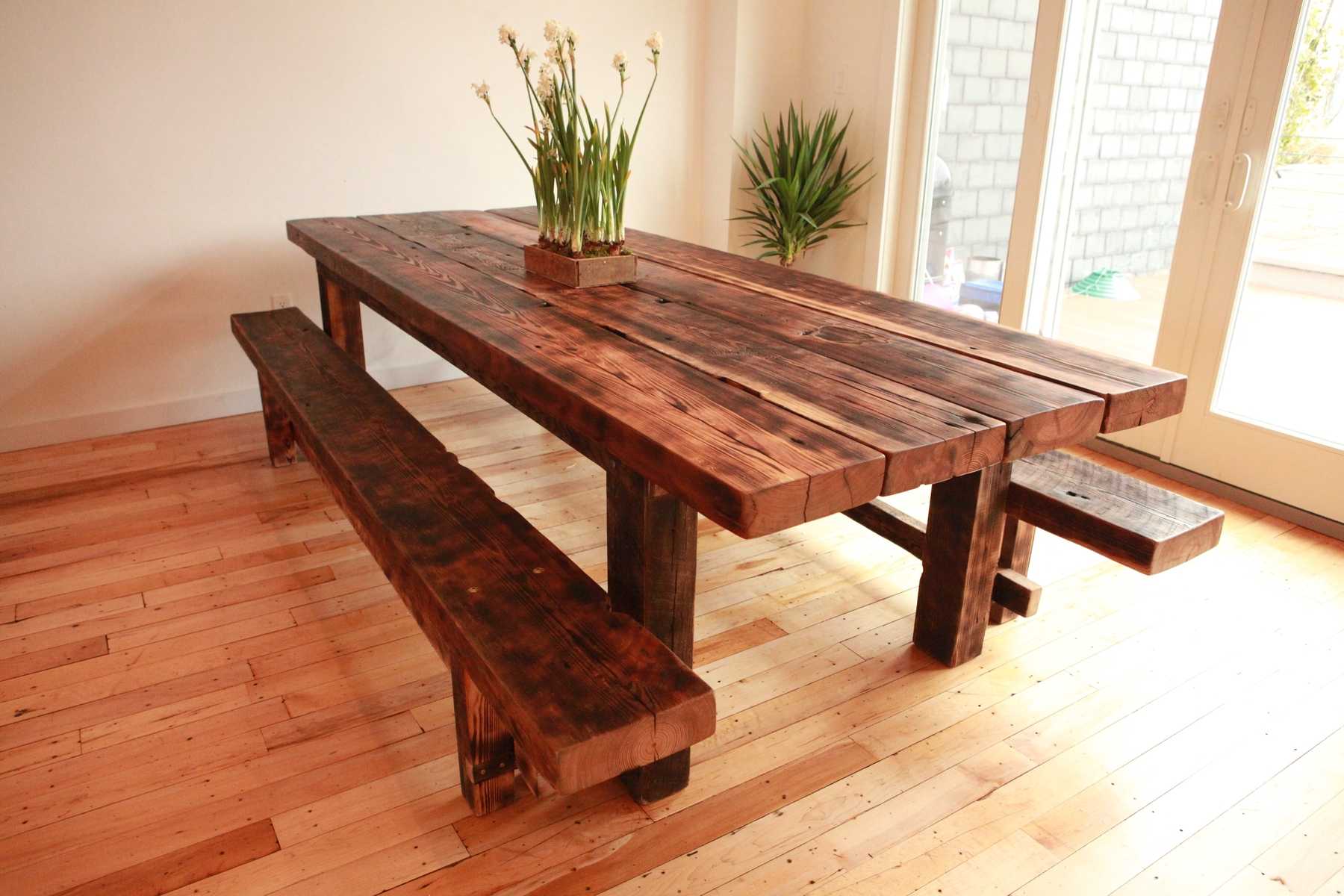
Material should suit how the piece will be used. Solid timber gives warmth and can be repaired, but Queensland maple, blackbutt and other Australian timbers respond to seasonal movement. Keep engineered boards away from persistent moisture and follow their care instructions.
Brisbane’s humid conditions make stable joinery, protective finishes and wipe-clean surfaces especially valuable. A glass top can feel light in a small room, but choose tempered glass and check that replacement panes are obtainable before committing to an unusual frame.
Metal is useful beside busy family rooms because it is tough and visually light. The metal pedestal trade-offs explain where corrosion, foot marks and stability deserve attention, particularly in high-traffic homes or covered outdoor areas.
Add storage without losing balance
Storage turns the surface into a service zone. Drawers suit remotes and coasters, a lower shelf can hold books, and a lift-top can conceal clutter without adding side furniture. With sectional seating, however, extra storage must not pull the design away from the sofa.
Style matters as much as capacity. If the sectional has broad arms, a narrow pedestal base or offset top creates a lighter composition. If the upholstery is patterned, a plain timber, stone-effect or painted surface keeps the room calm.
Shopping locally also means accounting for Australian delivery conditions. Kmart and IKEA Australia offer mass-market occasional furniture, while specialist makers and Australian sofa brands such as Brosa provide room-planning references. For flat-pack pieces, check carton dimensions against apartment lifts, stairwells and suburban driveways.
Compare shapes, bases and access
The right choice balances reach, movement and visual character. A round top gives a curved sectional breathing space, a rounded rectangle supports a straight run, and a narrow or nesting format preserves access where circulation is tight.
Measure the actual sectional and test the shortlisted footprint on the floor before paying. In a busy Australian open-plan room, the best centrepiece should support everyday use, drinks, books and shared conversation without becoming the obstacle people step around.
| Option | Best fit | Access and use | Main caution |
|---|---|---|---|
| Rounded rectangle | Straight-front or modular sectional | Broad ledge for trays and shared items | A long footprint can restrict circulation |
| Round or oval | Corner, curved or compact sectional | Easy to walk around with no sharp corners | Large diameters may need more clearance |
| Square | Small lounge or straight two-seat sofa | Efficient use of limited floor space | Corners can crowd the seating or walkway |
| Pedestal base | Tight spaces needing open legroom | Central support keeps the underside clear | A wide top may catch feet or toes |
| Nesting pair | Busy rooms, entertaining and flexible layouts | Separates for serving or slides aside | Multiple tops need coordinated styling |