How to arrange multiple side tables in a large living room
A large living room can feel sparse when every surface is pushed against a wall. Arranging multiple side tables as purposeful clusters gives sofas, armchairs and window seats useful companions for lamps, drinks, books and serving bowls. The aim is visual rhythm, with each table close enough to be convenient and far enough apart for people to move freely.
Treat side tables as part of the overall furniture plan rather than incidental pieces that fill corners. In an Australian open-plan home, they can define the edge of a lounge, hold breakfast beside a kitchen nook or create a drinks station near bi-fold doors. Measure the room before moving anything, including the space needed by recliners and the main route between the entrance, seating and dining areas.
Map the circulation before moving furniture
Sketch the room from above and mark doors, major walkways, windows and seating. In a narrow Sydney terrace house, even a modest side table can obstruct a route between rooms. In a larger Melbourne apartment, several clusters may work if each has a clear purpose and generous spacing around it.
Deciding whether another table deserves its place can feel like a blackjack hit-or-stand choice, but movement and sightlines are better guides. Keep the principal route open, allow chairs to be pulled back without hitting anything and avoid placing a tall piece where it blocks conversation across the room.
Mix heights, shapes and functions
Create contrast with a low drum table, a slim pedestal and a compact nesting pair instead of repeating the same shape. Different heights make the grouping look intentional and provide surfaces at suitable levels for drinks, reading and task lighting. A round edge also softens the geometry of a rectangular sofa.
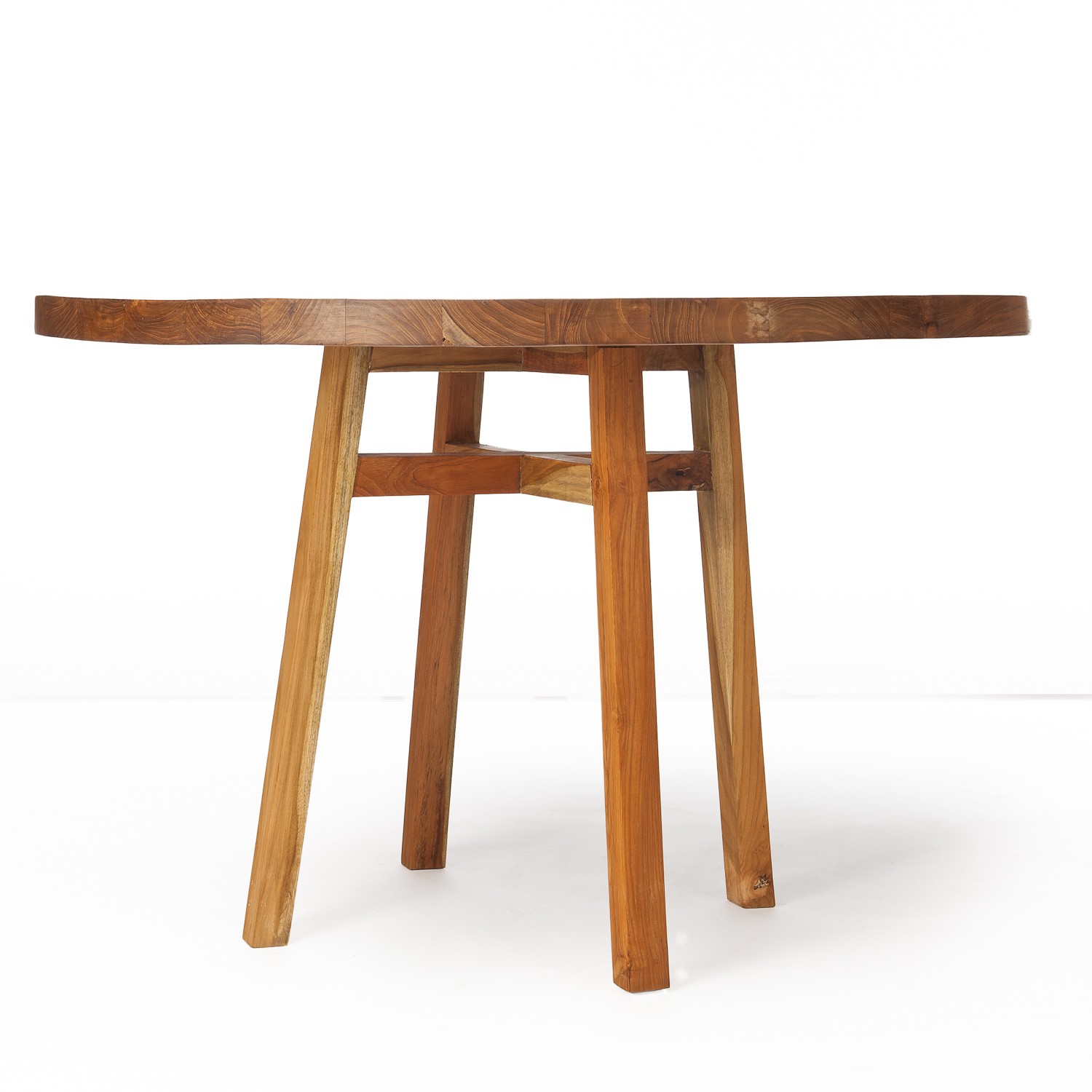
A useful mixture might combine a solid timber pedestal with a black metal accent table and a light-toned occasional table. Australian shoppers can find compact nesting options through IKEA Australia, while local market stalls often offer unusual solid-wood pieces worth restoring. If an occasional table doubles as a patio drinks table, follow patio table umbrella sizing and placement guidance before moving it beside outdoor doors.
Compare layouts for different seating zones
A side-by-side comparison exposes the differences in footprint, balance and everyday use.
| Arrangement | Suitable zone | Main benefit | Practical consideration |
|---|---|---|---|
| Matching pair beside a sofa | Long sofa or central lounge | Balanced, symmetrical appearance | Leave enough clearance for the sofa arms |
| Staggered pair near a window | Reading or daylight zone | Informal depth and flexible placement | Prevent direct glare on books and screens |
| Corner grouping | Empty corner beside an armchair | Fills the space without crowding the centre | Keep the main passage open |
| Nesting pair | Multipurpose or compact living room | Extra surface with a small footprint | Check the opening mechanism and clearance |
| Occasional pedestal | Large lounge or console area | Strong visual anchor | Avoid isolating it from the seating |
The best arrangement depends on the furniture already in the room. A symmetrical pair can anchor a formal sofa wall, while staggered pieces suit a relaxed family room. In a large space, distribute the groups across distinct zones so they look collected rather than pushed together to fill one gap.
Tie the groups to the room
Repeat a few materials or colours to make the clusters feel connected. Warm timber, woven rattan, matte black metal and natural ceramics work well in many Australian interiors. Jarrah, spotted gum or restored mid-century pieces can provide character without competing with the sofa, while pale finishes suit rooms filled with strong daylight.
Give each group one focal accessory and a supporting object. A table lamp, a small lamp, a framed photograph or a sculptural bowl can establish the purpose of the space. Add practical items sparingly: a coaster near a drinks station, a shallow tray in a hallway grouping or a basket beside a sofa. Keep tall arrangements away from television screens, and route charging cables neatly so they do not cross the floor.
Test proportions, stability and everyday use
Aim for side-table heights close to the nearby seat, usually slightly below the sofa arm. Heavy bases should feel stable without being difficult to move, particularly if children or pets use the room. Rounded corners, secure joints and smooth drawer mechanisms are valuable features in a family setting, while a narrow profile preserves movement through a busy lounge.
Test the arrangement with masking tape before committing to the final positions. Walk through the room several times, including from the kitchen and outside doors. On the polished timber floors common in Australian homes, felt pads will protect the surface and reduce noise. After checking stability, sunlight exposure and access to power outlets, the side tables should feel like natural parts of the room rather than leftover furniture.