Patio Tables with Umbrella Holes: Sizing and Placement Tips
A patio table with an umbrella hole can make an outdoor setting far more comfortable, especially during Australia’s bright summer afternoons. The right opening keeps the shade centred, leaves enough room for diners, and helps the umbrella stand securely without crowding the tabletop.
Sizing is more than matching a hole to a pole. Table diameter, base clearance, umbrella canopy, seating layout and local weather all affect how well the arrangement works. A small round table may need a narrower umbrella, while a large rectangular setting could require a central opening or a cantilever design.
Australian outdoor areas also bring specific considerations. Harsh UV exposure can fade finishes, coastal air can accelerate corrosion, and sudden gusts around Brisbane, Perth or coastal New South Wales can turn an open umbrella into a hazard. Good placement matters as much as appearance.
Whether you are furnishing a compact balcony in Melbourne or a generous verandah in Queensland, plan the table and shade as one piece. Materials, storage and everyday movement should guide the decision before you buy.
Match The Hole To The Umbrella Pole
Most market umbrellas use a pole between 35 and 50 millimetres wide, although thicker commercial models are available. Measure the pole itself rather than relying on the advertised umbrella size, then choose a table hole that gives a little clearance without allowing the pole to wobble.
A removable plastic or metal collar can reduce movement and protect the tabletop edge. For timber tables, a reinforced insert is useful because repeated pole movement can enlarge the opening. Check whether the umbrella includes a locking pin, since some holes are designed for simple friction while others work with a dedicated base.
Choose A Table Size That Leaves Room
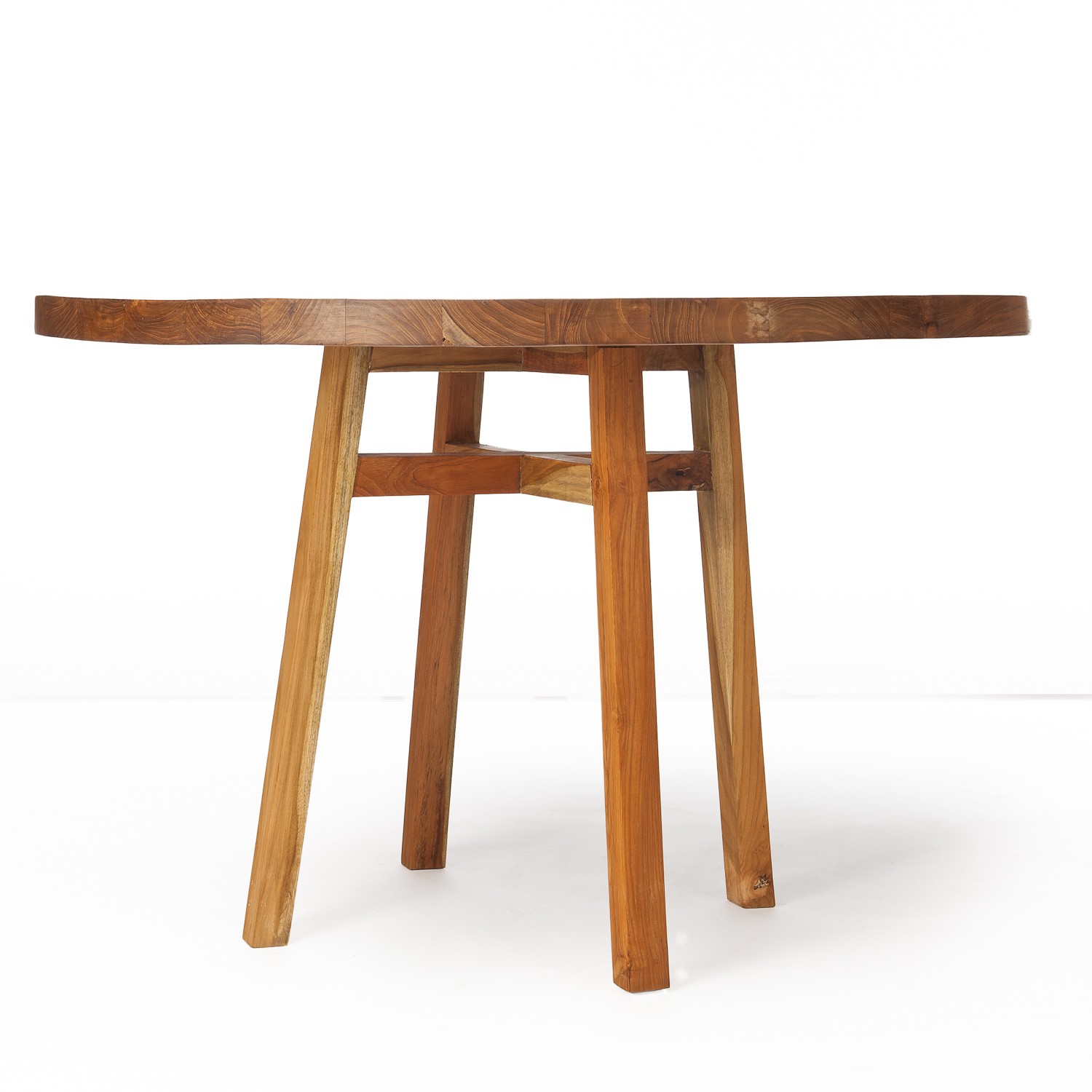
A 900 to 1,000 millimetre round table usually suits two to four people and works well with a 1.8 to 2.4 metre umbrella. For six diners, a 1,200 to 1,500 millimetre round table or a rectangular table around 1,600 to 2,000 millimetres long provides better elbow room. Keep at least 600 millimetres of usable edge space per person.
The hole should generally sit in the centre of a round tabletop. On a rectangular design, central placement gives the most balanced shade, but an offset hole may be better when one end sits near a wall or built-in bench. Leave enough tabletop around the opening for plates, glasses and serving dishes.
Consider Wind, Sun And Local Conditions
A patio umbrella creates leverage in strong wind, even when the table is heavy. A weighted base beneath the table is safer than relying on the tabletop alone, particularly for lightweight aluminium settings. Close the canopy whenever you leave home or when a forecast warns of gusty conditions.
In Australia, the angle of the sun changes significantly between morning and late afternoon, so a perfectly centred umbrella may not shade every seat all day. On a north-facing patio, consider the sun path and nearby walls before fixing the table in place. UV-resistant fabric and powder-coated metal are sensible choices for exposed yards.
Plan Clearance Around The Table
Allow roughly 900 millimetres behind each chair for comfortable movement, increasing that distance where a main walkway runs beside the setting. On smaller balconies, a square or compact round table can preserve circulation better than a long rectangular model. Measure the folded chairs as well as the table itself.
Sliding doors, barbecue areas and pool paths need special attention. A table positioned too close to an alfresco doorway can become an everyday obstacle, while an umbrella canopy may brush gutters or fencing when opened. For homes with young children, inspect the base and pole for sharp edges and stable construction; practical changing table ideas can also inspire safer storage and rounded furniture details elsewhere outdoors.
Select Materials For The Setting
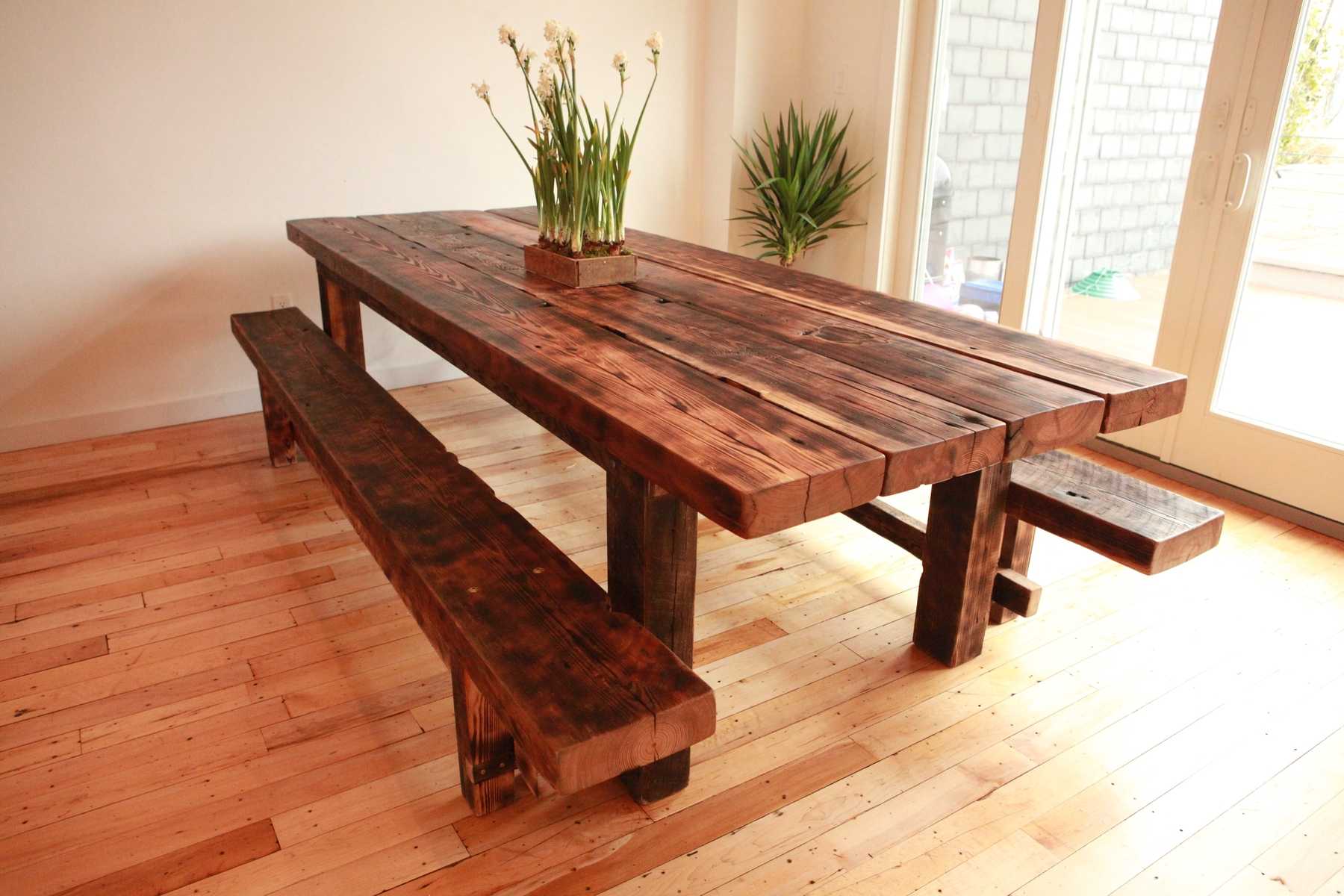
Hardwood, recycled plastic, aluminium, steel and stone-look composites each respond differently to Australian weather. Spotted gum and teak can suit a relaxed verandah, while powder-coated aluminium is easier to move and will not rust like untreated steel. Coastal homes should favour stainless hardware and finishes rated for salt exposure.
Storage is part of the design. A table with a hole may accommodate the umbrella when open, but the canopy should be stored dry and folded when not in use. If the patio is tight, a tight-space table guide can help compare pedestal bases with four-leg frames that affect chair placement and footroom.
Make The Arrangement Easy To Live With
Test the table position before drilling, anchoring or buying a premium base. Use masking tape to mark the tabletop footprint and open the umbrella fully to check shade, wall clearance and sightlines. Sit in every chair to see whether the pole blocks conversation or the canopy catches on nearby branches.
A little character can work well in an outdoor dining area, provided the construction remains weather-ready. For a rustic wine-region feel, a wine barrel side table may complement a larger dining table, but keep upcycled pieces away from constant rain unless they have been properly sealed. The best setup combines stable shade, generous circulation and materials suited to the site.