Upcycled wine barrel side table for a winery-inspired home
A wine barrel has lived at least one life already. When it retires from a Margaret River cellar or a Barossa Valley winery, the staves still carry the deep burgundy patina of fermented Shiraz, and the iron hoops keep their forged shape long after the oak has dried out.
Turning that retired barrel into a side table brings a slice of Australian wine heritage into the home. The project suits the country's fondness for rugged, character-rich pieces and aligns with the circular-economy mindset that many local councils now encourage through kerbside recycling and reuse programmes.
Sourcing retired barrels from Australian wine regions
Most of the barrels leaving circulation in Australia come from the country's flagship wine regions. Margaret River in Western Australia, the Barossa Valley and McLaren Vale in South Australia, and the Hunter Valley in New South Wales all release oak barrels once the winemaker feels the wood has given up its best tannins. Some wineries pass them on directly through cellar door clearance sales, while others send them to local auction houses or community reuse hubs in inner-city Melbourne and Sydney.
A barrel in good shape usually costs between $80 and $250 AUD, depending on age and whether it once held Cabernet, Pinot, or a fortified style. Buyers should check that the staves are not cracked and that the iron hoops are still tight, since loose metal is harder to work with later. Australian Consumer Law, administered by the ACCC, protects purchasers of second-hand goods when a seller describes them falsely, so it pays to ask about provenance and any leaks.
Disassembly, prep and safe handling
Before any saw touches the oak, the barrel needs a careful clean. Rinsing with water, scrubbing out residual sediment, and letting the wood air-dry in a sheltered spot for a few weeks helps the staves settle. Many Australian hobbyists tackle this step in a backyard shed or a carport, since the smell of old wine can drift through open windows and bother the neighbours.
Tooling up is straightforward at a local Bunnings or Mitre 10, where oak-handled pry bars, leather gloves, and a sturdy workmate are easy to find on the same trip. Anyone cutting timber should wear eye and ear protection, and it is worth following the Safe Work Australia guidance for home workshops before the first cut. If the barrel once held an agricultural product, a quick wipe-down with a food-safe sanitiser prevents mould from spreading once the piece is indoors.
Choosing a construction style
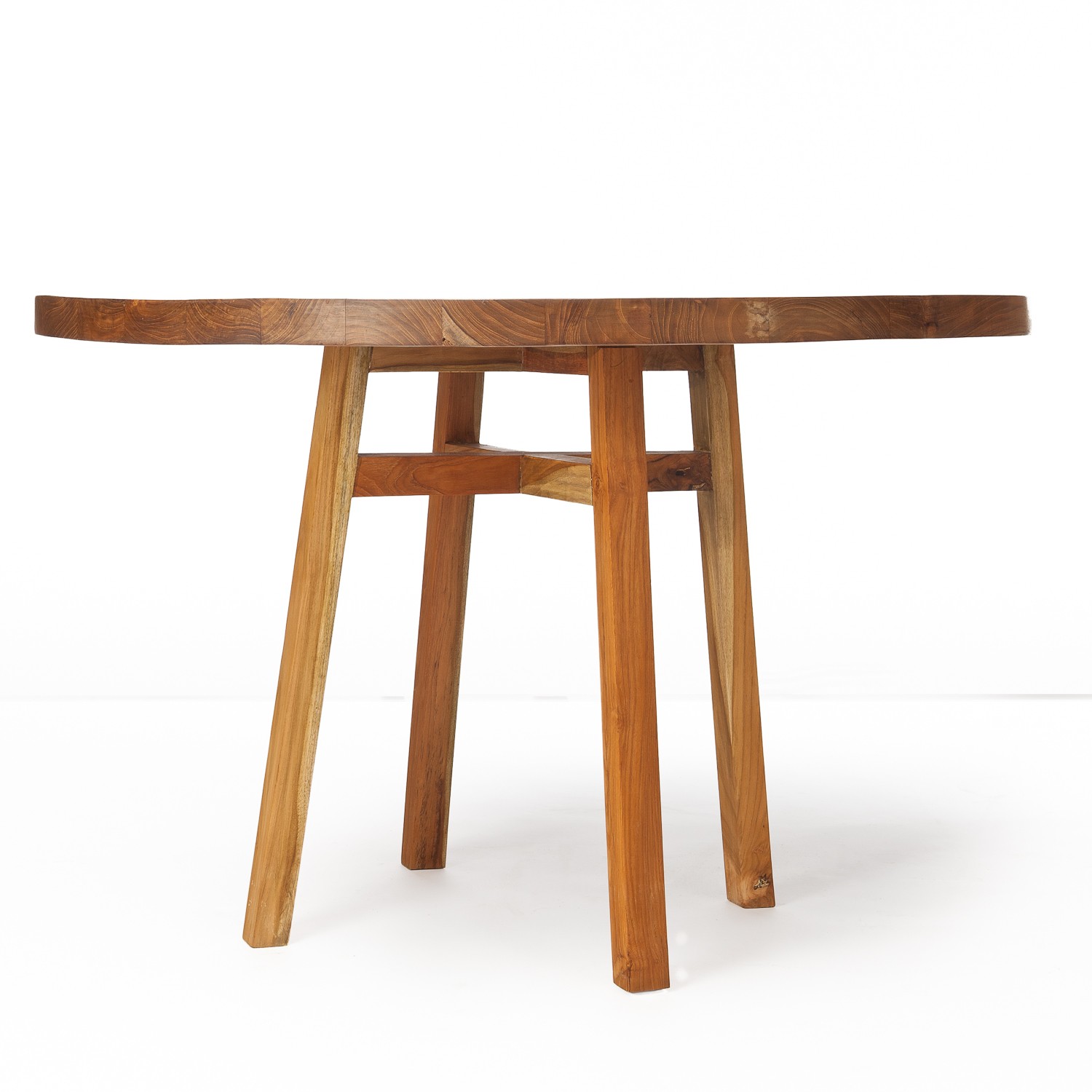
There are several ways to convert a barrel into a side table, and the choice shapes the finished look. Some makers keep the barrel upright and add a hinged top, others cut it in half to form a low console, and many simply fit a round tabletop cut from the barrel head onto a separate base. The finish chosen for the oak then decides how rustic or refined the piece feels.
| Finish type | Durability | Visual warmth | Maintenance | VOC emissions |
|---|---|---|---|---|
| Hardwax oil | High | Warm honey tone | Re-oil every 1–2 years | Low |
| Tung oil | Medium-high | Natural matte | Re-oil every 6–12 months | Very low |
| Polyurethane | Very high | Glossy film | Rare refinishing | Medium |
| Danish oil | Medium | Soft sheen | Wipe and refresh yearly | Low |
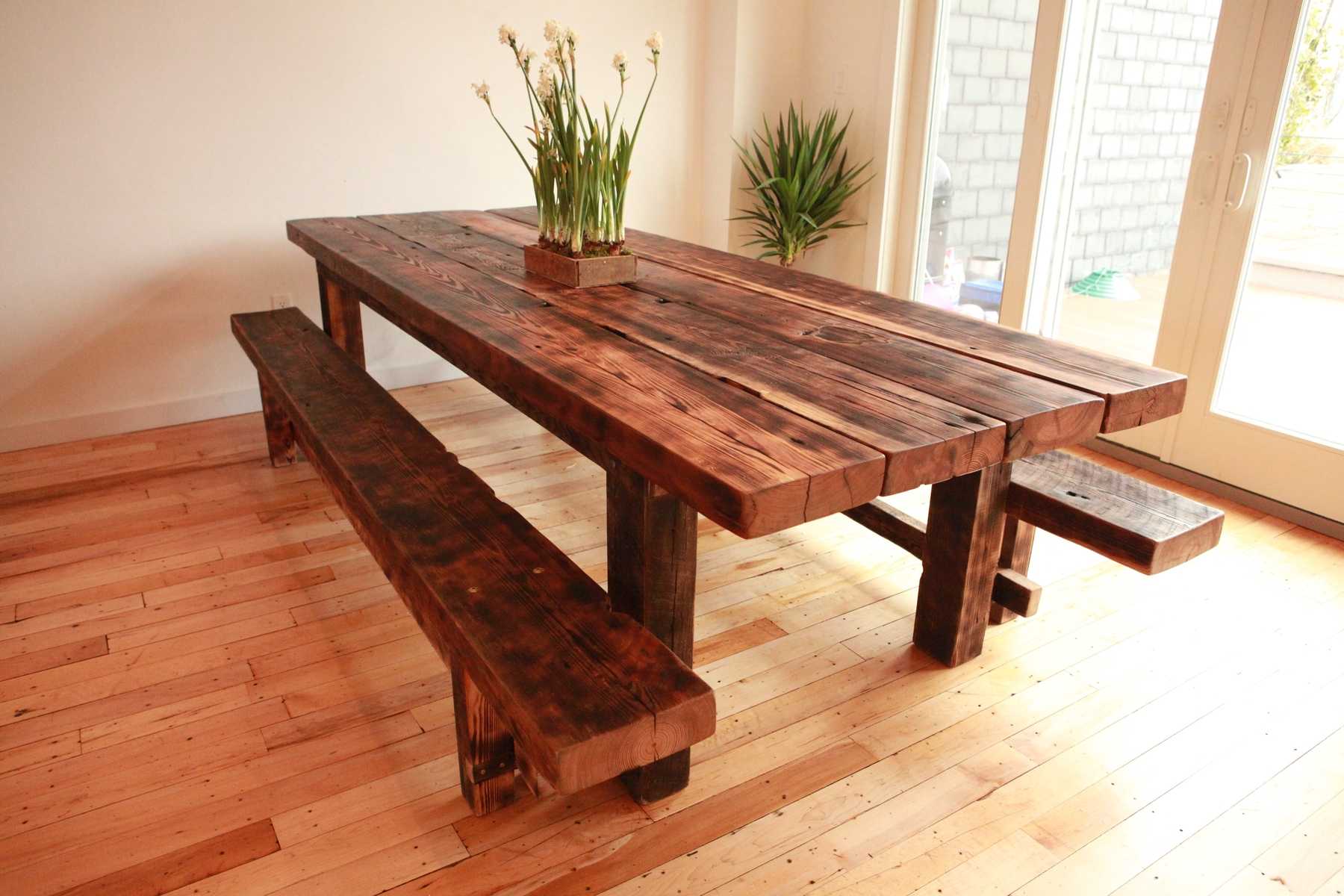
Hardwax oil and tung oil suit a winery-inspired room because they let the oak grain breathe and the burgundy stain show through. Polyurethane looks newer and brighter, which can fight the rustic mood. For ideas on pairing a barrel top with a different base, browse coffee tables for inspiration on industrial and reclaimed frames.
Styling the piece for a winery aesthetic
A winery-inspired room leans on warm timber, iron, and a few textural accents. In Melbourne's heritage terraces and Sydney's sandstone apartments, designers often balance a heavy rustic element using crisp linen, antique brass, and muted ceramic so the barrel does not feel out of place. A side table cut from a barrel head pairs naturally with a velvet armchair, a leather-bound book stack, or a small pot of native rosemary that nods to the Barossa's Mediterranean climate.
If the barrel is left as a full drum, it doubles as clever storage. The hinged lid can hide a few bottles, a corkscrew set, and a couple of cloth napkins. For something more sculptural, an Australian maker might lift the barrel onto three slender black steel legs rather than keeping the iron hoops visible, which keeps the silhouette lighter. Designers working with a similar creative instinct often turn to sculptural side tables when sourcing complementary pieces for the same room.
Care, climate and long-term maintenance
Australia's varied climate calls for a little extra care. Coastal homes deal with salty air that can corrode exposed iron hoops, while inland houses in places like Adelaide can swing from dry summers to damp winters. A light coat of beeswax or paste wax over the iron once or twice a season prevents the patina from flaking. Termites are less of a worry for sealed oak, but untreated sapwood on a base can attract them, so sealing every exposed face is wise.
For households keen to stretch the project further, the same barrel can sometimes yield enough material for a small stool, a wall-mounted wine rack, or even a lamp base. The same techniques carry across other upcycling projects too, and a dresser sofa table guide walks through similar sanding, sealing, and base choices that apply to furniture built from retired pieces.