Turning a Changing Table into an Entryway Console
A changing table can offer the right footprint for an entryway: a useful surface at standing height, plus drawers or open shelves below. Using a changing table as a stylish entryway console works best when its proportions, finish and storage suit the route from the front door to the living area, rather than simply repainting an old dresser.
Before moving it, measure both the furniture and the hallway. Record the narrowest point, including door swings, skirting boards and the space opposite. A tape measure and cardboard template are more useful than estimating from a product photo, especially in compact Australian homes.
Plan Around the Hallway
Treat the console as part of a daily circulation zone, not a decorative obstacle. Leave enough room to pass with bags and to open the front door. Sydney and Melbourne terraces often have long, narrow entrance passages, while newer apartments may place the front door directly beside a kitchen or lounge.
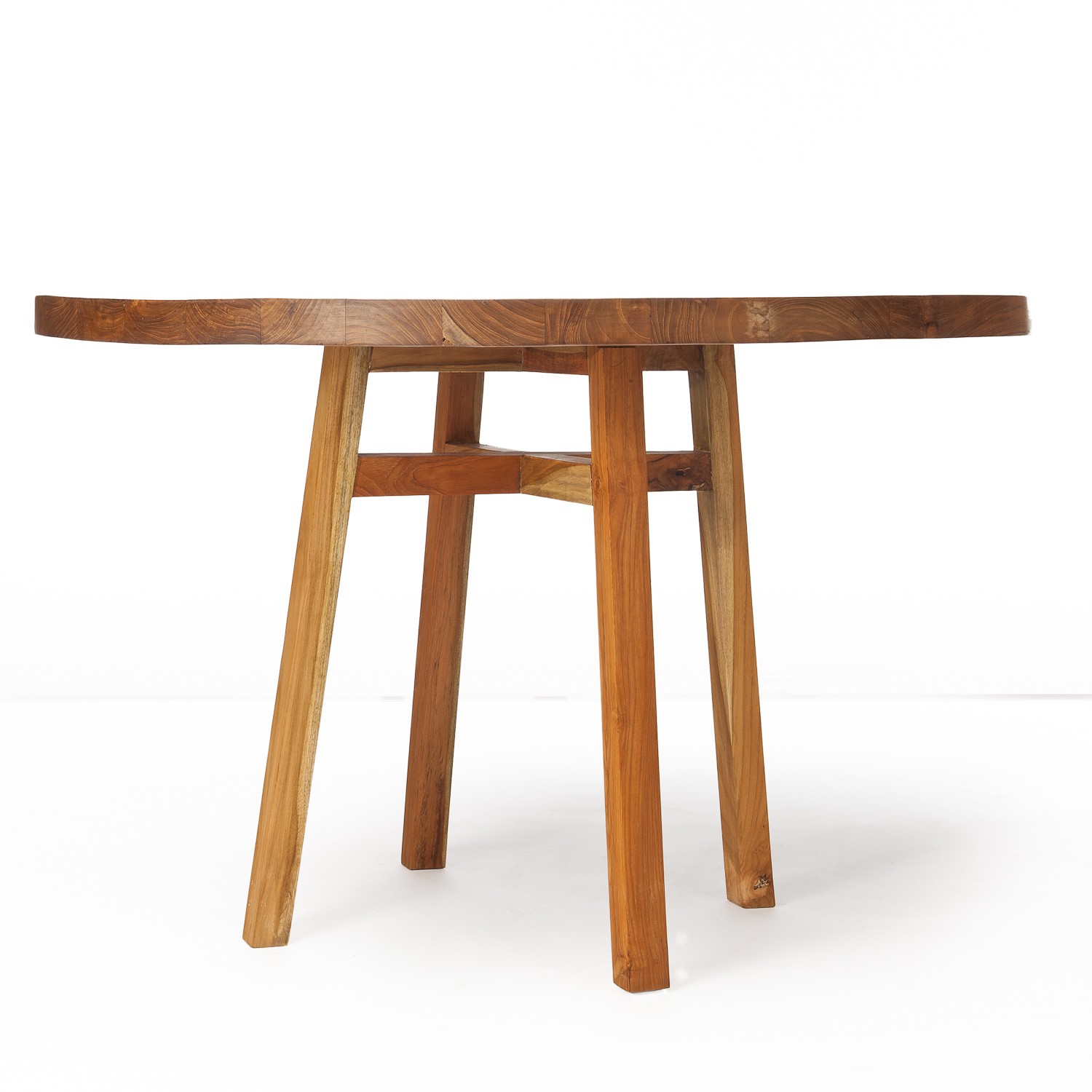
Depth matters as much as width. A piece around 30–40cm deep feels lighter than a deeper dresser and can hold a tray, post or small lamp without narrowing the path. If you want a more streamlined profile, this slim console guide offers practical ways to judge scale before buying.
Choose the Right Scale
Choose a changing table with a solid, even top and enough lower storage, then check every joint. Drawers should run smoothly, shelves should sit level and the frame should be steady on uneven floors. Old pine and hardwood pieces can suit a warm Australian interior; pale laminate may blend more easily into a small hall.
Measure the internal compartments, not only the outside dimensions. A narrow tray, slim charging dock and folded reusable shopping bags can use the space efficiently. Avoid filling every shelf with bulky baskets, which quickly makes a hallway feel cramped.
Give It a Practical Role
Give the piece one clear job: catch keys, daily mail and other small items before they travel further into the house. A shallow tray on top keeps the surface visually calm, while a wall-mounted hook nearby can take reusable bags. The lower storage becomes useful only when it is assigned a category.
For a more tailored layout, arrange the tray, catchall and charging spot before choosing decorative accessories. This prevents the top from becoming a miscellaneous drop zone. If you are still deciding on measurements, a design consultation can help you compare the table with your hallway and daily routine.
Refresh the Finish
Refresh rather than replace when the structure is sound. Clean the top, fill small scratches and test a paint colour on an inconspicuous edge. Matte finishes suit a busy hallway because they show fewer fingerprints, while satin paint can be easier to wipe clean.
Swap dated knobs for simple brass or black pulls, or leave the original hardware if it has a clean shape. A narrow runner or removable felt pad can soften the surface without hiding its design. Keep styling low so the console remains useful rather than looking like a miniature display cabinet.
Style for Australian Homes
Style it around the architecture already in place. Hang one artwork above the table, align its centre with the tabletop and leave breathing room around both. A table lamp gives warm light to a dim entrance, but position the cord out of the walking route.
Australian conditions should shape the finish and accessories. Use UV-resistant fabric and stable finishes near a west-facing glazed front door, and expect condensation in humid Brisbane homes during wet weather. Melbourne residents may also appreciate a console that handles sudden temperature shifts and a winter coat without looking overloaded.
Make Storage Work
Turn the open shelf or drawer into a small valet station. Use one compartment for keys and wallets, another for mail, and keep shoes or bags in a separate basket on the floor. Vertical dividers can stop papers from sliding, while a tray makes small items easier to find.
For ready-made additions, compare compact trays, baskets and slim inserts at Bunnings, Kmart Australia and IKEA Australia, then check each product’s actual dimensions. Browsing table design ideas can also inspire ways to organise a narrow console without adding another bulky cabinet.
Keep It Secure and Durable
Anchor the console to the wall if it has a top-heavy frame, and use a suitable anti-tip strap available from Bunnings. Follow the changing table’s original assembly instructions, and do not alter the joints in a way that reduces stability. If children use the hallway, keep the drawers closed and avoid storing heavy items at head height.
Check the top regularly for wobble, tighten fixings and replace worn felt pads. Keep the surface free of excessive weight, particularly if it also supports a lamp, and never let children climb on it. In coastal areas, wipe salt from metal hardware and inspect for rust; in humid conditions, favour wipe-clean finishes and ventilated lower shelves.