Australian poolside tables with built-in toy storage
Outdoor patio tables with storage benches for pool toys solve a familiar Australian problem: the pool area needs somewhere for drinks, a seat, and a tidy home for inflatables that collect along the fence. A long unit with a lift-up lid combines those functions without filling the paving with separate tubs and chairs. Learn more about Sofa Tables With Bookshelves For A Living Room Library Effect.
The right design depends on where it lives. Sydney’s humid summers reward drainage and corrosion-resistant fixings, while Melbourne’s wind and changeable showers call for a stable base and covers. The most useful arrangement keeps seating dry, separates damp equipment from cushions and leaves a clear route around the pool.
Choosing materials for sun, salt and rain
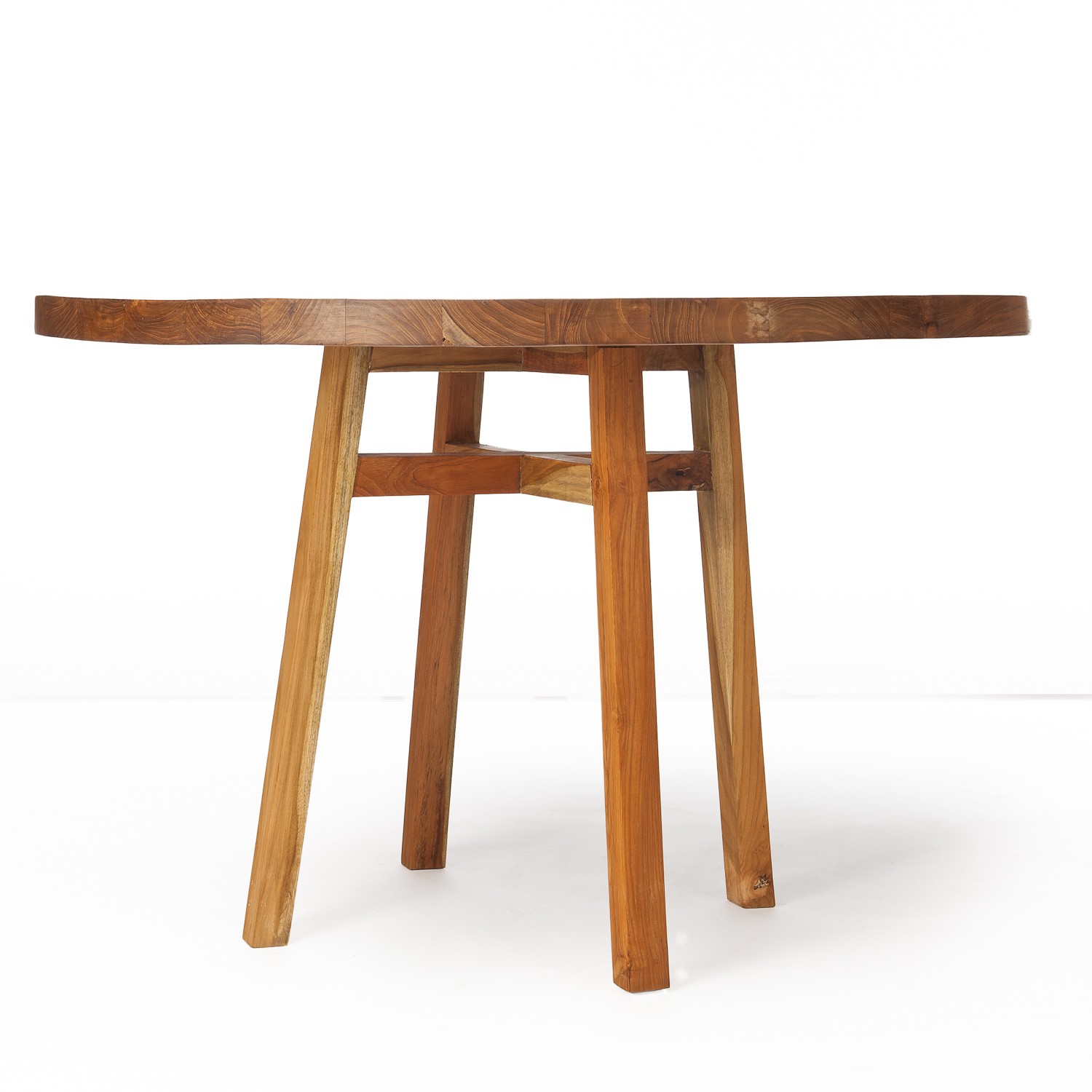
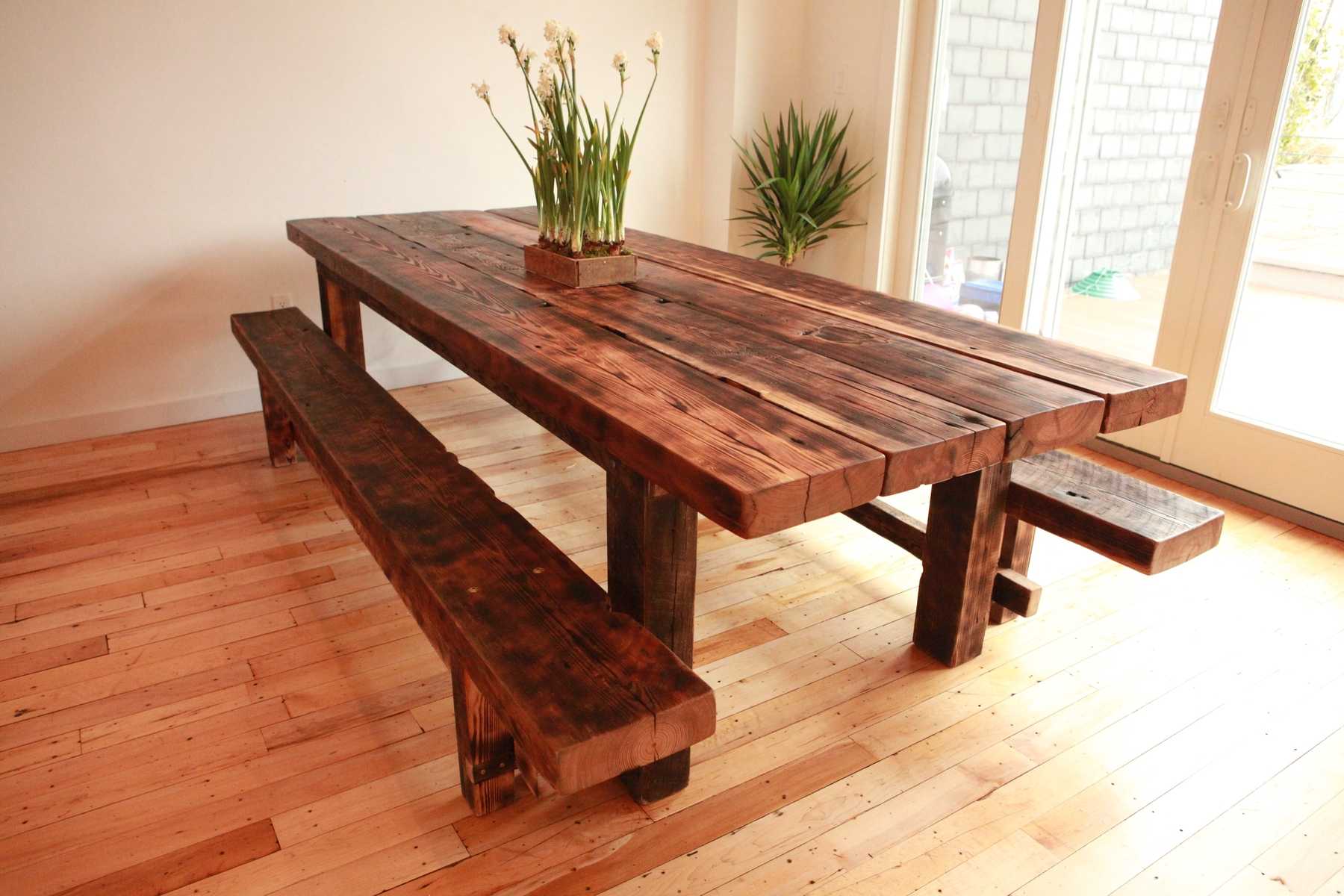
Timber adds warmth and coordinates easily with a deck. Teak handles coastal weather well, while properly sealed spotted gum or other Australian hardwood can work inland; every cut end, joint and underside needs protection from standing water. For comparisons of timber choices and finishes, see this guide to dining table materials.
Metal frames and UV-stabilised polyethylene components suit homes where timber maintenance feels excessive. Powder-coated aluminium needs checking for salt-air corrosion near the coast, and dark finishes can become hot in direct sun. Synthetic rope should be UV-rated rather than a decorative fibre that becomes brittle.
Australian shoppers can find teak and local hardwoods through specialist timber suppliers, while Bunnings and IKEA Australia carry storage cubes, outdoor benches and covers. Flat-pack pieces suit rental homes, though assembled units should be checked for level feet and strong lid hinges.
Planning a safe, practical layout
Start with how people move. Place the storage bench beside, not directly behind, the poolside eating area, leaving space to carry a tray and walk past seated guests. A narrow gap between the lid and pool reduces dripping onto a cushion.
Local conditions shape the details. Brisbane’s strong sun and heavy downpours make sealed joints and UV-stable surfaces important; Perth’s dry heat can fade inexpensive plastic and weaken rope. Compact Melbourne courtyards often need slimmer pieces and lids that open without projecting into a walkway.
Check the pool area before delivery. Rules around barriers, gates and clearances vary across Australian councils, and movable furniture must not block an escape route or required access. The bench should also sit on stable paving, because uneven slabs can make a heavy lid slam shut.
Comparing storage bench formats
A lift-up lid is the simplest way to combine seating with generous toy storage, while drawers make small items easier to reach. Compartments suit rigid pool toys, and closed cupboards protect cushions and electrical items such as waterproof speakers.
| Storage format | Pool toy capacity | Access | Outdoor consideration |
|---|---|---|---|
| Lift-up lid | Large floats and balls | Lift and sort | Seal hinges and drain condensation |
| Drawers | Nets, goggles and small toys | Quick access | Keep contents dry; avoid chemicals |
| Open cubbies | Modular bins and towels | Very quick | Use washable bins and a cover |
| Slatted seat over deck box | Bulk seasonal storage | Lift removable seat | Maintain ventilation and support the lid |
Open-front formats feel informal but need weatherproof bins and covers to protect the floor. The bookshelf storage design shows how vertical divisions can make a busy collection look orderly; adapt it with removable tubs so nothing is trapped in a damp corner.
Organising pool toys without creating clutter
Give every category a home rather than letting the lid become a miscellaneous drawer. Large inflatable rings can stand in a deep bin, flat boards can be stored vertically, and small pieces fit in labelled baskets. Soft mesh bags suit water pistols and foam noodles.
Pool chemicals need separate, secure storage in original labelled containers, away from towels, food and sunlight. A child-resistant compartment or nearby locked cabinet is preferable. Never mix a toy bin with chlorine products where children can reach it.
Rinse chlorine and sand from toys before drying, and leave wet gear in a ventilated area rather than sealing it into the bench. During the Australian summer, school holidays and long weekends often make the pool the household’s main gathering place, so a clear return routine matters.
Making the bench useful beyond summer
Choose a bench that earns its place when the pool is not being used. Add removable, quick-dry cushions in neutral outdoor fabrics, and use the closed surface for towels, sunscreen or a tray of drinks. A lower compartment can hold shoes, garden gloves and watering-can accessories without competing with the pool toys.
A vintage suitcase can inspire a portable lidded box, as demonstrated in this vintage suitcase project, but an ordinary suitcase is rarely suitable outdoors. If one is adapted, remove the lining, improve the closure and use marine-grade paint or a clear exterior finish; otherwise, reserve the idea for a dry verandah.
Check the lid, hinges and drainage holes every few months, especially before summer. Coastal gardens need a quick wipe-down, while inland areas need frequent inspection for UV damage and dust. Used year-round as seating and storage, the right unit keeps the pool deck calmer and turns outdoor entertaining into a simpler affair.