Create a Living Room Library with Clever Storage
A slim console tucked behind the sofa can turn an ordinary lounge room into a library-inspired retreat. Pairing a low shelf with upright book storage adds everyday function without making the seating area feel like a study.
Choose depth, finish and openness around how you read, store and entertain. The right combination can display favourites, hide clutter and create a warm focal point in spaces from compact Sydney flats and Melbourne terraces to relaxed Queensland houses.
| Option | Library feel | Storage | Best suited to | Main caution |
|---|---|---|---|---|
| Open-backed shelving | Airy and collected | Books and decorative objects | Narrow rooms | Can look busy when overfilled |
| Hybrid unit | Balanced and versatile | Shelves with a drawer or cupboard | Mixed storage needs | Greater depth and weight |
| Closed-front cabinet | Calm and tailored | Concealed books and media | Large or dust-prone collections | Fewer opportunities for display |
Start with the space you actually use
Sofa tables with bookshelves for a living room library effect work best when scale comes first. Choose a depth of roughly 30–35 cm for a unit behind the sofa, while leaving a 75–90 cm circulation route past doors and the main walkway.
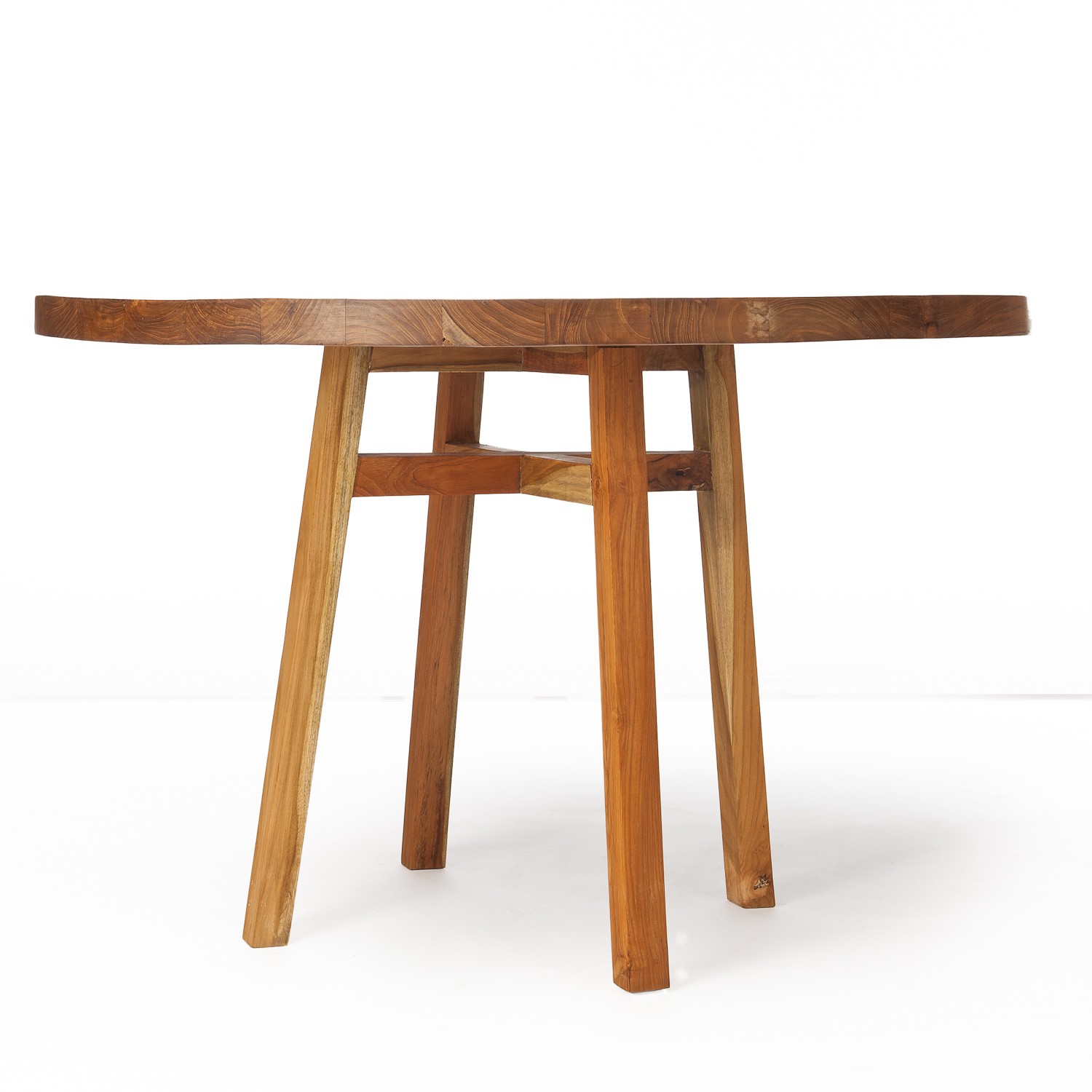
A pedestal-inspired centre support can make the design feel lighter without creating several bulky legs. The pedestal-base trade-offs provide a useful starting point, although dining-room proportions should be adapted for a lounge setting.
Build shelves that feel collected, not crowded
Vary the arrangement of upright books, horizontal stacks and framed photographs so the shelves resemble a personal collection rather than a uniform display. Leave some open space around larger objects, and reserve one section for smaller pieces that would otherwise disappear.
Australian timber choices such as jarrah, blackbutt and spotted gum bring warmth and durability, but their colour and availability differ between regions. Veneered or painted options can provide the same pale, neutral appearance at a lower price, while solid timber is well suited to frequently handled shelves.
Choose finishes for Australian light and climate
East- and west-facing windows can deliver strong sunlight and elevated afternoon temperatures that fade fabric, weaken adhesives and discolour timber. Rotating books, adding curtains and choosing UV-resistant finishes help protect the collection and keep the finish looking consistent.
Homes in coastal areas also face humidity, salt exposure and occasional dampness, making sealed edges and corrosion-resistant hardware worthwhile. If the lounge opens onto a covered verandah, the same care matters; guidance on rain-resistant table materials explains how surfaces handle splash and seasonal weather.
Combine books, objects and hidden storage
Reserve the broadest lower shelf for hardbacks, albums and heavier books, while smaller shelves can hold lighter paperbacks. Drawers are useful for stationery, remotes and craft materials, and a cupboard can conceal media equipment that would otherwise interrupt the library look.
Built-in charging points remove the need for loose extension leads across the floor. A discreet power strip, cable clips and an accessible rear opening keep technology functional while preserving the clean outline visible from the seating area.
Blend with the sofa and nearby furniture
When the sofa does not already match the surrounding pieces, advice on mixing side-table styles can keep the new unit from feeling isolated. Repeated materials, coordinated hardware or one shared colour can connect contrasting furniture without forcing everything to match.
In what many Australians call the lounge room, an oversized console can feel formal or restrict movement. A shallower profile with slender legs usually preserves the relaxed character while still providing a substantial place for books, a lamp and everyday objects.
Install it well and give it personality
Australian shoppers can compare GST-inclusive prices across Bunnings, IKEA Australia, online retailers and local joiners, with each option serving a different budget and customisation level. Flat-packed units suit straightforward installations, whereas a local maker can produce unusual widths, integrated storage or a finish matched to existing furniture.
Anchor tall or top-heavy units to the wall with fixings appropriate to the wall type, and check the load rating for each shelf. Children, pets and busy households benefit from rounded corners and stable storage. Once secured, a balanced mix of favourite books, collected objects and practical essentials makes the room feel genuinely lived-in.