Repurposing a Changing Table for Years of Use After Nappies
A changing table is one of the shortest-lived pieces of furniture in most family homes. After roughly two to three years of nappies, wipes, and midnight changes, the dedicated baby surface often ends up on the kerb during a hard rubbish pickup in suburban Melbourne or Brisbane, or it sits gathering dust in the garage waiting for a new life.
Yet the form factor is hard to beat. A raised platform with open shelves beneath, raised edges to keep items contained, and a footprint smaller than a standard sideboard is genuinely useful well past the toddler stage. With a few small adjustments, the same piece can serve a household through primary school, university years, and even into retirement.
Australian families have long embraced a buy-it-then-borrow-it-back culture with flat-pack furniture from IKEA Tempe or the warehouse aisles of Bunnings. Repurposing a changing table sits firmly within that same practical tradition, particularly in compact inner-city terraces in Sydney and Adelaide where every centimetre of floor space earns its keep.
Turn It Into a Hallway Console or Bedside Table
The most natural transition is from baby changing station to hallway console. Most changing tables sit between 85 and 95 centimetres tall, which lines up almost perfectly with standard Australian skirting boards and sideboard heights. A fresh coat of low-VOC paint, new drawer pulls, and a swap of the padded topper for a stone-look laminate can lift the piece from nursery pastels into a hallway-friendly finish.
In narrow Federation homes in inner Sydney, a slim console doubles as a key drop, mail sorting station, and display surface for the day's outgoing items. The open lower shelf is ideal for woven baskets holding gloves, scarves, dog leads, and reusable shopping bags, while the top holds a small lamp and a catch-all dish for keys and loose change.
For bedrooms, the same conversion works as a slim bedside table. The raised lip that once stopped a rolling baby now keeps a phone, watch, and reading glasses from sliding onto the floor. A quick scan of the sitemap on a dedicated table design resource will show how many side tables share remarkably similar dimensions.
Convert It Into a Drinks or Coffee Station
A bar cart remains a Pinterest favourite, but a changing table offers more generous proportions. The lower shelf is deep enough to store glassware, while the upper platform comfortably holds a tray with bottles, syrups, and an espresso machine. In Brisbane's subtropical climate, an indoor drinks station keeps glassware, wine, and cocktail gear out of direct sunlight and away from humidity swings.
For households that entertain, the piece can anchor a buffet or dessert station during long lunches. Wheels can be added to the base for easy movement, and a strip of battery-operated LED lighting along the underside of the upper shelf adds a soft glow without needing a licensed electrician. Compliance with the ACCC's general product safety rules still applies, so any electrical add-ons should carry a recognised Australian approval mark.
If entertaining tends to move outdoors, the same table works brilliantly as a drinks trolley on a covered patio. Choosing weather-resistant finishes matters here, and outdoor materials that handle wet weather will outlast lighter alternatives across many Queensland storm seasons.
Use It as a Craft, Homework, or Hobby Hub
Primary school homework, adult colouring books, model train assembly, and sewing projects all share the same needs: a flat surface, nearby storage, and a place to sit. A changing table's padded top is easily replaced with a self-healing cutting mat or a sheet of tempered glass, turning it into a compact hobby workstation.
The open shelves are perfect for labelled baskets holding pencils, fabric scraps, LEGO, or paint brushes. In a family home in Hobart or Canberra, where studies and spare rooms are often small, dedicating one corner of a multipurpose room to a tidy hobby station helps keep the rest of the space calm. Rolling casters make the unit easy to move when the room doubles as a guest bedroom.
Australian parents who home-educate frequently look for furniture that grows with their children, and a converted changing table can serve a student from kindergarten through to year twelve. Adding a small pinboard to the back rail and a power board with surge protection finishes the setup neatly.
Make It an Entryway Drop Zone or Pet Station
Entryways in Australian homes take a beating, from sandy feet returning from Coogee Beach to muddy paws after a walk around Adelaide's parklands. A changing table repurposed as an entryway drop zone handles the load with ease. Hooks can be screwed into the side panels for leads, hats, and reusable umbrellas, while the lower shelf becomes a home for wellington boots or a small pet bed.
For cat or dog owners, the same piece works as a feeding station. The raised height is comfortable for medium and large breeds, and the lower shelf keeps food bowls, leads, and a small container of treats off the tile. Stainless steel bowls sit nicely inside the shelf opening, and a wipeable mat makes cleanup quick.
In Queenslander homes with wide verandahs, a converted changing table can be moved just inside the front door to act as a breezeway transition between outdoors and the main living area.
Move It Outside as a Potting Bench or Planter Stand
Garden centres around Perth and Darwin often showcase slim outdoor benches that look suspiciously like upcycled changing tables. The raised platform is perfect for repotting seedlings, and the open shelves below hold bags of potting mix, small tools, and seed packets. A coat of exterior-grade paint or a marine-grade varnish will protect the timber through harsh UV and wet seasons.
For renters in apartments with small balconies, the same piece works as a vertical herb garden stand. Multiple terracotta pots line the lower shelf, while herbs in shallow trays sit on top. A weighted base or wall-anchoring strap keeps it stable in sudden gusts along exposed balconies in Melbourne's Docklands or Perth's coastal suburbs.
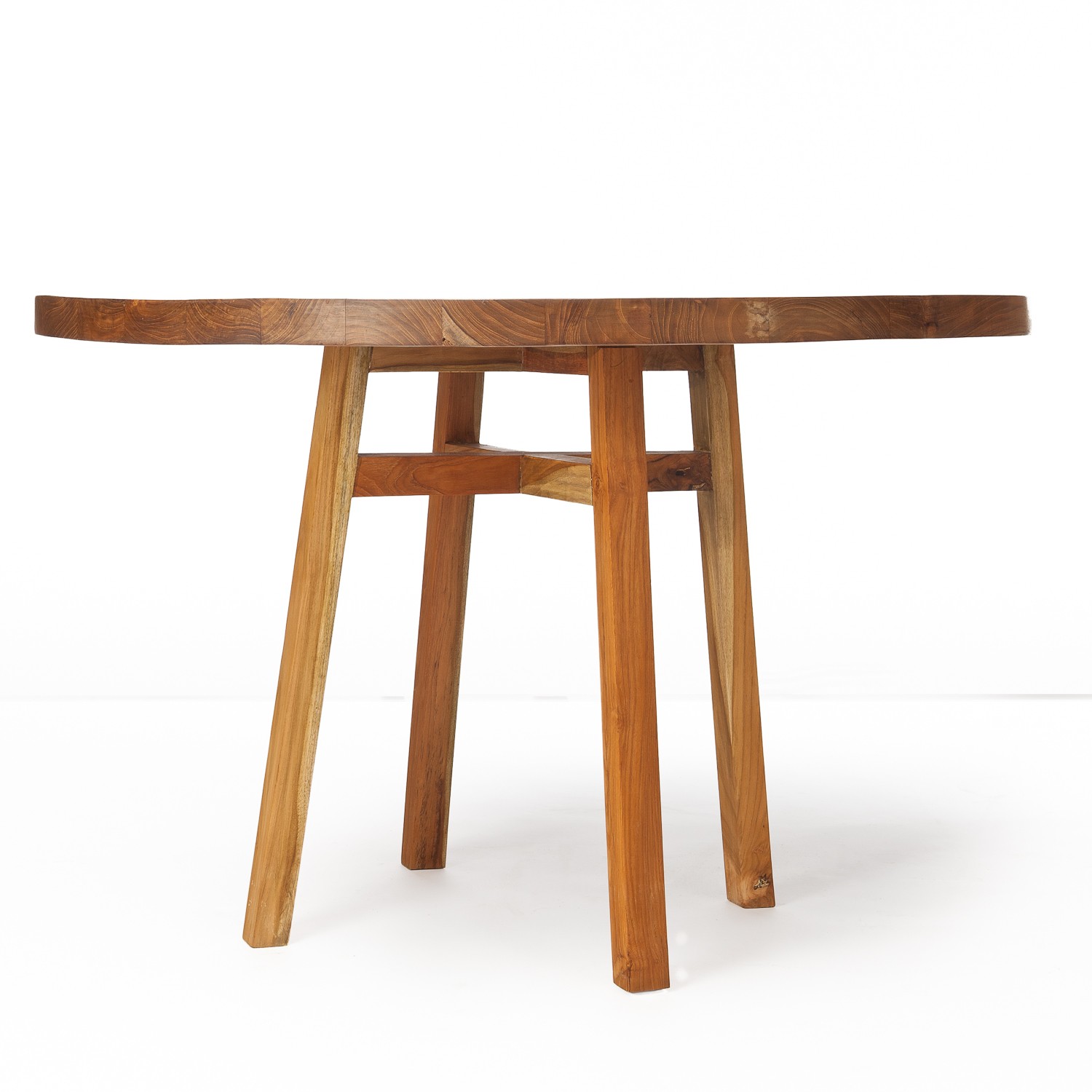
When the outdoor layout gets cramped, choosing a base shape that frees up legroom matters. A pedestal-style base comparison walkthrough highlights the difference between four-legged and centre-post designs for tight patio footprints, and the principles apply to any repurposed piece heading outside.