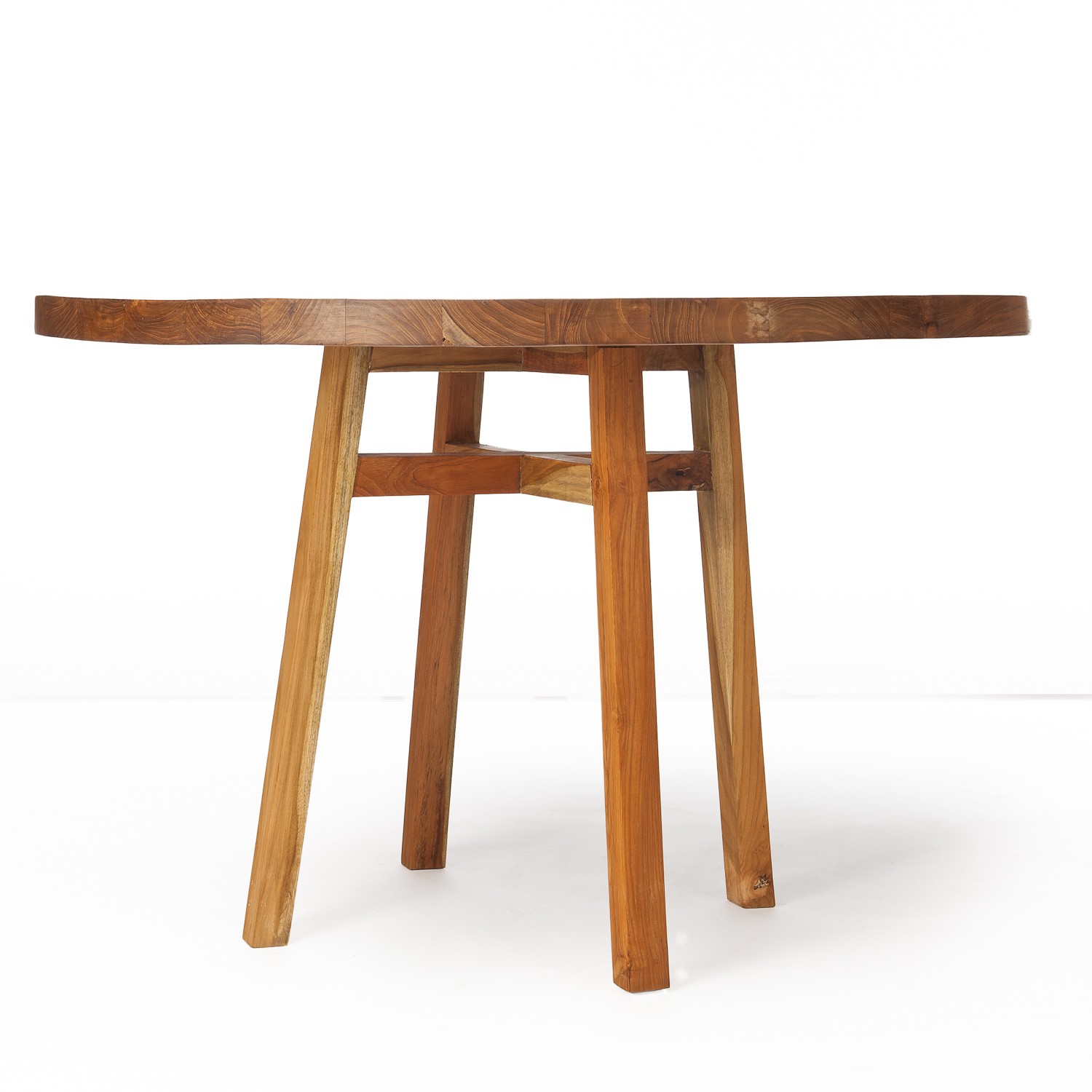
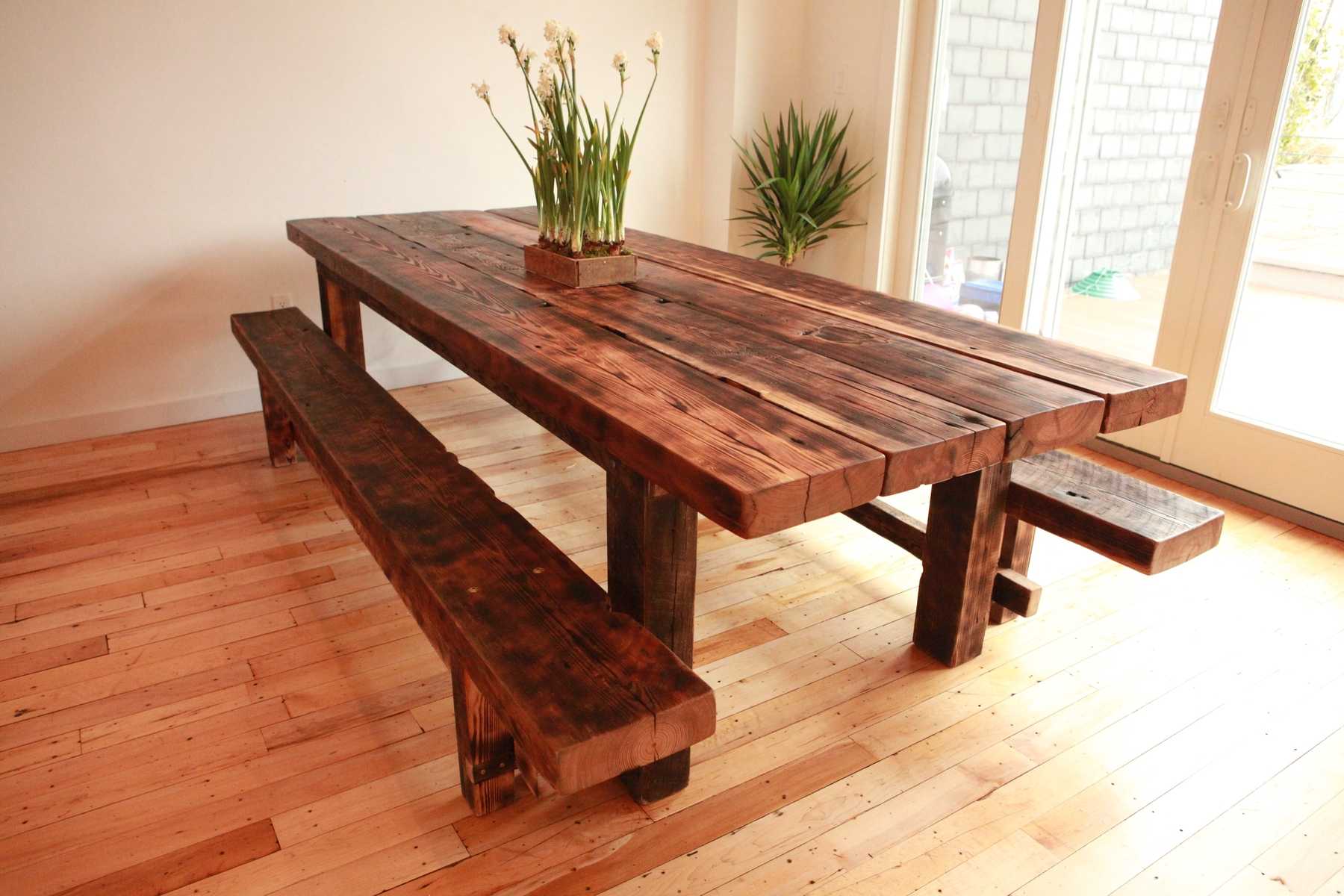
Minimalist sofa table styling ideas
A minimalist sofa table should support the room, not compete with it. Treat the narrow surface as a calm edit of the space: a slim silhouette, restrained palette and enough styling to create warmth without visual clutter.
Start by measuring the gap behind the sofa and how people move past it. In compact Australian living rooms, a deep console can make a Sydney or Melbourne apartment feel pinched, while a shallow profile nearly disappears against the seating.
The trick is to combine proportion with purpose. A tray organises small objects, a lamp anchors one end, and a concealed charging point keeps cables out of sight. Each layer should earn its place.
Build a quiet visual foundation
Keep the furniture quiet and let texture provide interest. Pale timber, matte black metal and clear glass maintain clean lines, while a wool throw, ceramic vessel or paper-covered book adds softness. Warm white and muted sand tones also reflect Australian daylight without making the room feel stark.
Before buying, place masking tape on the floor at the intended depth. Check that the top remains lower than the sofa back and that walking space stays clear. Further project references are available from Boundless Table Ideas.
Select the right narrow silhouette
A slim rectangular console suits a straight-backed sofa and creates a crisp horizontal line. Choose shallow drawers, open negative space and one material rather than mixing several finishes. Narrow legs visually lighten the piece, especially when the sofa sits close to the wall.
A round-ended console softens angular seating and can ease circulation in a tight room. This guide to space-saving round tables shows how curved forms preserve flow, a useful principle when a slim console must sit close to everyday movement.
Style with a few intentional objects
Style the surface with three distinct layers rather than a collection of small decorations. A low tray could hold keys and a watch, an asymmetrical table lamp provides vertical balance, and one sculptural object adds character. Leave most of the surface empty.
Repeat one or two colours from the cushions nearby to make the arrangement feel connected. Books work best when stacked neatly or stood upright in a single row; avoid leaning them against random objects. A small plant is enough, provided its leaves do not obscure the sofa.
Hide technology without losing access
Charging is easiest to disguise when it is planned into the furniture rather than added afterwards. A guide to hidden charging stations illustrates how routed cables, inset power modules and rear-facing sockets can leave the visible top uncluttered.
Australian homes use 240-volt power and Type I wall sockets, so check compatible adapters and preserve access to an outlet. A narrow desk-style power strip with USB-C ports may sit inside a drawer, while a cable channel beneath the console keeps leads away from upholstery.
Fit the room and local market
Sydney and Melbourne apartments often leave only a slim strip behind the sofa, and older terrace homes may include a narrow hallway. Measure both the furniture zone and the door swing before ordering; a console that looks compact online can still obstruct a walkway.
For local buying options, compare flat-pack pieces at IKEA Australia, ready-made units through Temple & Webster, and timber or hardware at Bunnings. Small Australian makers can also work in blackwood or spotted gum, bringing distinctive grain without relying on imported finishes.
Combine storage and flexibility
Decide how the piece will work before choosing its finish. A drawer-style console can conceal remotes, chargers and craft supplies; a lift-top can support a laptop for short work sessions; and an open shelf can display books without making the arrangement feel crowded.
For flexible layouts, consider a narrow nesting pair or a slim trolley that can move beside a window or reading chair as a side table. Keep one surface styled and the other clear, so the furniture offers both display and utility. Rounded corners also work well in a busy passage.
Choose materials for daily Australian use
Match the material to how often the surface will be touched. Timber suits a warm room but needs careful placement away from strong direct sun; metal suits a crisp, industrial look yet shows fingerprints; glass feels light and displays the styling beneath it. Natural variation in wood keeps the result less severe.
Finish with one edit: remove any object that does not support the room’s purpose, then check the silhouette from the doorway. A successful arrangement feels generous because the narrow top has space to breathe, not because it is packed with accessories.
| Option | Best for | Styling cue | Practical note |
|---|---|---|---|
| Slim timber console | Warm neutral rooms | One tray or sculptural object | Check depth; shield from direct sun |
| Matte metal console | Compact urban interiors | Keep the top mostly clear | Use floor pads and a restrained finish |
| Clear glass console | Lighter visual palettes | Display one low arrangement | Expect fingerprints; mind sharp edges |
| Rounded console | Curved seating and tight paths | Pair with one vertical accent | Ensure it does not crowd seating |
Whichever option suits the room, repeat its finish in one nearby accessory and leave breathing room. This restrained approach makes a slim console practical for daily life while preserving the calm, uncluttered character of minimalist furniture.