Extra Seating for Compact Australian Apartments
Compact Australian apartments reward furniture that earns its footprint twice: a place for coffee and a perch when friends stay for dinner.
A raised companion surface can also become a laptop ledge, breakfast bar or plant stand, while a lower unit keeps remotes and everyday clutter close at hand.
The trick is to coordinate height, depth and reach rather than squeeze another piece into the room. Leave a clear route from the entrance to the kitchen and balcony, and check the layout with sofa doors and drawers open.
Sydney and Melbourne flats often make this especially valuable, while Brisbane households use multipurpose rooms for work, meals and relaxation. Australian shoppers can expect nesting, lift-top and adjustable styles from major local retailers, but dimensions and build quality vary widely.
| Option | Typical height | Storage and use | Seating potential | Apartment consideration |
|---|---|---|---|---|
| Nesting pair | 350–450 mm | Slides beneath another unit | Limited unless designed as a perch | Best for low surfaces and flexible layouts |
| Lift-top coffee table | 400–650 mm | Conceals everyday clutter | Good when fully raised | Check movement and clearance |
| High-low combination | 400 and 650–750 mm | Low surface plus raised companion | Strong, when properly rated | Needs a balanced footprint |
| Pedestal occasional table | 500–700 mm | Compact single work surface | Suitable for one person | Uneven floors can affect stability |
Choose the right mechanism
High-low coffee tables combine a low coffee surface with a raised section, a lift-top mechanism or a separate companion. Nesting units free floor space quickly, while a fixed high section provides a more reliable perch and useful worktop.
Choose according to the main job: hidden storage favours a lift-top; drinks and guest seating favour a stable high-low pair; a narrow lounge favours nesting pieces. Only sit on a surface designed and rated for the load.
Make the perch comfortable
Aim for a broad, firm surface at roughly 450–600 mm for relaxed seating, or 650–750 mm for eating at a small dining surface. A slim edge works better than a sharp corner beside a busy walkway.
For everyday Australian routines—morning tea, after-work dinner or a weekend catch-up—the extra seat should not require rearranging half the lounge. Add a removable cushion, keep the floor beneath clear, and avoid using a laptop surface as a seat.
Size the footprint carefully
Measure the sofa, chairs and circulation route before choosing a width. Leave around 400–450 mm between seating and a coffee surface for comfortable reach, but preserve a straight path through the room. A compact 800–1,000 mm unit may suit a small lounge better than an oversized centrepiece.
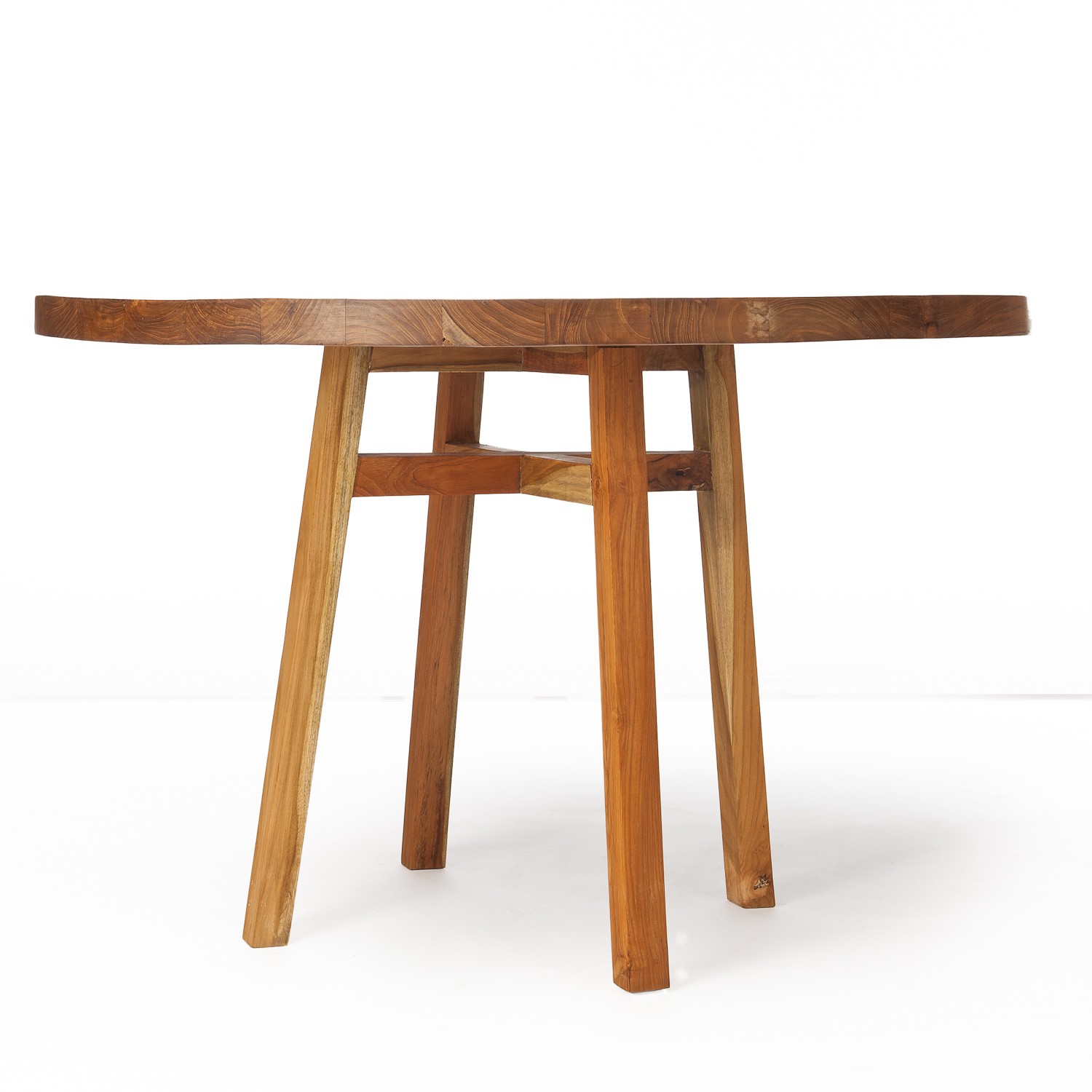
If a pedestal base appeals, this pedestal table guide covers shapes that cope better with wobbly or uneven floors. Older Sydney or Melbourne apartments can have sloping subfloors, so adjustable feet and a wide footprint are more useful than a narrow, top-heavy base.
Pair the surfaces without crowding
Match the lower and raised sections in timber, metal or paint so they read as one arrangement rather than borrowed furniture. Round corners soften a tight route, while a tray can define the raised zone for a cup, book or small lamp.
Lift tops and drawers are valuable storage solutions in compact homes, provided handles project little and lids do not hit knees. Keep radiators, vents and sliding doors unobstructed, and avoid placing the unit where its open mechanism blocks a passage.
Choose materials for Australian conditions
Australian conditions reward practical finishes: sealed timber for humid Queensland rooms, powder-coated steel for coastal apartments, and tempered glass where a light visual footprint matters. Check that glass is safety glass and that every joint feels rigid.
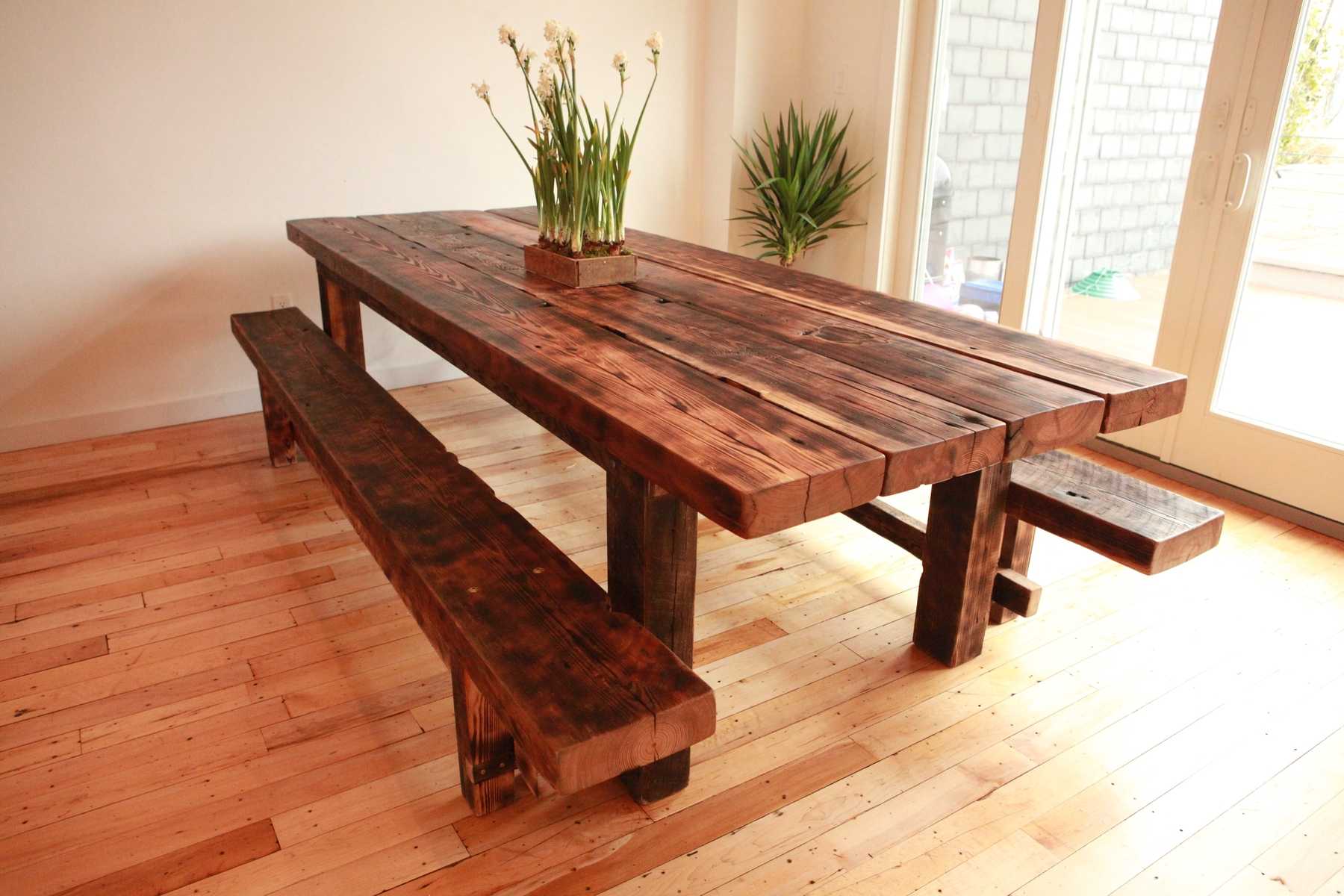
The local market ranges from flat-pack pieces sold by Kmart and IKEA Australia to Australian-made and reclaimed timber furniture. Reclaimed timber adds character, but check movement, splinters and unevenness. Avoid standing on any top, and confirm the product’s load rating before seating an adult.
Use the raised area beyond seating
A 650–750 mm surface can serve as a compact dining bench, drinks station or charging point when it is not carrying a person. For students sharing a lounge, the sofa table homework guide explains practical ideas for lighting, cable management and a dedicated work zone.
Set a timer for shared study periods so the work surface can return to social use. In busy family rooms, a nearby power outlet and a cable channel prevent leads from crossing the floor, while a stool can be stored elsewhere when guests are expected.
Shop with rules and expectations
Compare assembled dimensions, maximum lift height, mechanism movement and delivery access, not just product photographs. For a high-rise apartment, measure the lift, stairwell and doorway, and confirm flat-pack packaging can be removed without damaging the building.
Australian Consumer Law guarantees cover acceptable quality, matching descriptions and fitness for a disclosed purpose, so retain the listing and warranty details. Body corporate by-laws and fire-egress rules may also restrict furniture on balconies or in common areas. Readers repurposing project images should check the site’s copyright and reuse policy before reuse.
Before paying, test the lift in store, sit briefly on the raised section, and check that a full glass of water can be placed safely. For a rental, photograph the condition at delivery and keep the receipt for any guarantee claim.